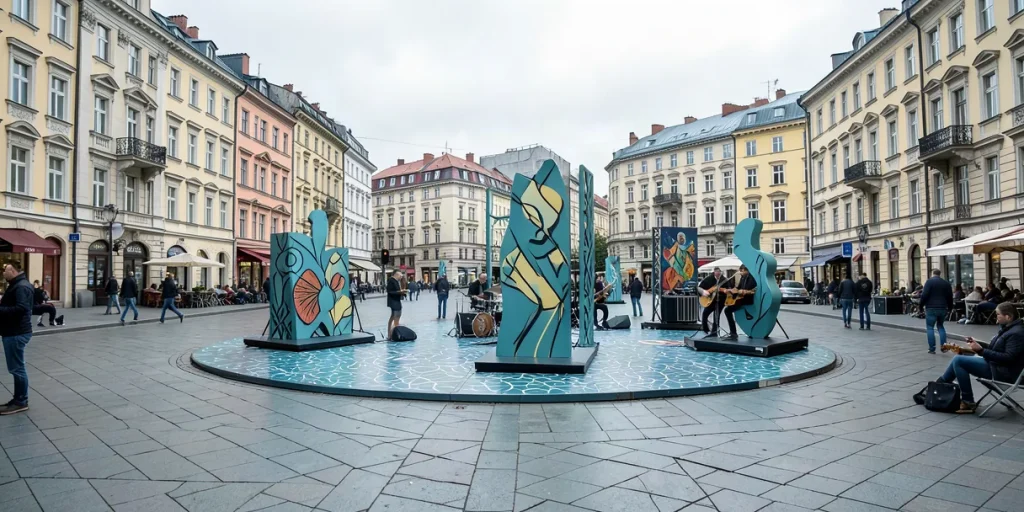
Types of cultural initiatives in cities include festivals, exhibitions, street performances, educational projects, and art residencies, all of which contribute to strengthening social cohesion, developing the creative economy, and improving the quality of the urban environment. These events actively influence public life by creating platforms for dialogue and interaction among different population groups.
In today’s urban spaces, cultural initiatives have become powerful tools for shaping identity and promoting active civic engagement. They not only enrich the cultural landscape but also foster resident integration, stimulate innovation, and increase cities’ appeal to tourists and investors. Examining the variety of such initiatives helps us understand how culture affects social processes and urban development.
Studying the types of cultural initiatives in cities and their impact on public life will help identify best practices and approaches valuable for developing sustainable and inclusive urban communities. This article reviews the main forms of cultural projects and analyzes their role in transforming urban environments and strengthening social bonds.
| Type of Initiative | Event Type | Average Budget (million ₽) | Average Attendance |
|---|---|---|---|
| Festivals | large-scale street events | 10–50 | up to 50,000 people |
| Creative Workshops | permanent spaces | 0.5–5 | several hundred per month |
| Public Art Projects | street art | 1–3 | local residents |
| Music Ensembles | theaters and concerts | 5–20 | up to 15,000 spectators per month |
- 50,000 people participated in the International Street Theatre Festival in Saint Petersburg
- 3 million ₽ budget for graffiti projects in Yekaterinburg in 2025
- 40% of participants at Moscow festivals reported new acquaintances (2026 survey)
- 500 million ₽ annual economic impact of major urban festivals
- 60 days average time to obtain permits for cultural events
What Are the Main Types of Cultural Initiatives in Cities?
Festivals and Mass Events
The primary cultural initiatives in cities are festivals and mass events that gather thousands of participants and create a unique atmosphere. For instance, the International Street Theatre Festival in Saint Petersburg has been held annually since 2004, attracting up to 50,000 people over five days. These events promote tourism development, strengthen urban identity, and stimulate the economy through ticket sales and related services.
Permanent Creative Spaces
Another important type of cultural initiative includes coworking spaces and creative workshops that provide venues for work and experience exchange. In Moscow, the “Boiling Point” network features over 20 locations with rental rates starting at 500 ₽ per hour, making them accessible to young artists and entrepreneurs. Yekaterinburg also implements public art projects, including graffiti on building facades, which received 3 million ₽ in city budget funding in 2025.
- Festivals: International Street Theatre Festival, Saint Petersburg, 50,000 visitors over 5 days.
- Coworking: “Boiling Point,” Moscow, over 20 venues, rent from 500 ₽/hour.
- Public Art Projects: graffiti in Yekaterinburg, 3 million ₽ funding in 2025.
- Music and Theater Ensembles: “Sovremennik” theater, about 15,000 attendees per month.
How Do Cultural Initiatives Influence the Formation of Urban Communities?
Cultural initiatives in cities significantly strengthen social ties and contribute to forming new urban communities by uniting residents through joint projects, creative spaces, and public events. For example, in Moscow, up to 40% of festival participants report making new acquaintances and joint initiatives, according to the “City and People” research center (2026).
Social Connections and New Communities
Public art projects have a direct impact on residents’ sense of belonging to their city. A study by the Higher School of Economics in Yekaterinburg (2025) found that 35% of residents began visiting neighborhoods revitalized by such initiatives more frequently. Workshops and coworking spaces foster long-term networking among creative professionals, with average collaboration periods ranging from 6 months to 1 year, encouraging knowledge exchange and joint projects.
Growth in Cultural Participation
Music ensembles and theaters increase cultural consumption, leading to a roughly 12% annual rise in attendance at cultural events, according to the Russian Ministry of Culture statistics for 2025. This helps create an active cultural community and broadens the audience.
- Festivals: up to 40% of participants find new like-minded people («City and People» study, 2026)
- Art Projects: 35% of Yekaterinburg residents visit renovated neighborhoods more often (HSE, 2025)
- Coworking: creative professionals collaborate for 6–12 months
- Cultural Attendance: growth of 12% per year (Ministry of Culture, 2025)
How Do Cultural Initiatives Affect the Economy and Urban Environment?
Economic Impact of Cultural Events
Cultural initiatives significantly boost cities’ economic activity, generating up to hundreds of millions of rubles annually. For example, the “White Nights” city festival in Saint Petersburg brought an influx of up to 500 million ₽ to the local budget and businesses in 2025. Large-scale events stimulate increased patronage of nearby cafes and restaurants, raising their revenues by 20–30% during event days. The development of creative clusters in Moscow from 2022 to 2026 led to a 15% increase in jobs within the creative industries, strengthening the socio-economic resilience of neighborhoods.
Impact on Urban Infrastructure
Investments in cultural projects, such as street art and facade restoration, directly enhance the appeal of the urban environment and raise real estate values. According to Rosreestr data for 2026, facade renovations increase average housing prices in affected areas by 8–12% within a year. Quality design of public spaces not only improves the city’s visual perception but also attracts new residents and entrepreneurs, fostering infrastructure development and increasing the overall value of the urban environment.
- “White Nights” festival — up to 500 million ₽ annual economic contribution;
- Increase in restaurant and cafe attendance by 20–30% during cultural events;
- 15% growth in creative jobs in Moscow’s clusters from 2022 to 2026;
- 8–12% rise in property values after facade restoration within a year.
What Are the Limitations and Risks Associated with Urban Cultural Projects?
Financial and Organizational Challenges
Urban cultural projects often face high costs and registration difficulties, limiting their development. For example, the average budget for a street festival in Russian million-plus cities ranges from 10 to 50 million ₽, requiring substantial financial support from local authorities and sponsors. Additionally, bureaucratic hurdles delay approval processes: obtaining permits typically takes about 60 days, significantly slowing the launch of even small initiatives.
Social and Cultural Risks
Cultural events may cause conflicts with local residents due to noise and restricted access to familiar areas. A 2025 study found that 18% of Saint Petersburg residents have a negative attitude toward large-scale street events, highlighting the need to consider citizens’ opinions during planning. There is also a risk of rapid commercialization of projects, leading to loss of authenticity and reduced interest among niche audiences, which negatively affects cultural diversity.
- Average street festival budget — 10–50 million ₽;
- Permit processing time — about 60 days;
- 18% negative perception of large events in Saint Petersburg;
- Risk of losing authenticity due to commercialization.
How to Evaluate the Effectiveness of Cultural Initiatives in Urban Environments?
Key Performance Indicators
The effectiveness of cultural initiatives in urban settings is assessed through a combination of quantitative and qualitative indicators measuring reach, social impact, and economic effect. For example, Moscow’s “Circle of Light” festival attracts over 1 million visitors in 10 days, indicating widespread interest and project popularity. Social engagement is measured through participant surveys covering 500 to 2,000 people, which track new contacts and joint projects formed during events.
The economic impact is reflected in tourism and local trade revenues, recorded in municipal and business association reports — in Moscow, such initiatives generate additional turnover in the range of several hundred million rubles per season. Urban environment quality is assessed based on sociological surveys, where improvements in safety and neighborhood amenities can be expressed as percentage increases in positive feedback (e.g., a 15% rise in favorable reviews following project implementation).
Evaluation and Monitoring Methods
- Counting visitors and participants — using electronic tickets, counters, and mobile apps, accurate to several thousand people;
- Sociological surveys — questionnaires of 500 to 2,000 people to identify social integration and satisfaction levels;
- Analysis of economic reports — monitoring tourism and trade revenues within the initiative’s vicinity, accounting for seasonal fluctuations;
- Urban environment studies — regular surveys and observations applying standards of landscaping and safety, such as the “Urban Environment 2025” standard.
Frequently Asked Questions
Which cultural initiatives are most popular in Russian cities?
How do cultural projects help develop local communities?
What economic benefits do cultural events bring to cities?
What challenges do organizers of cultural initiatives face?
Key Takeaways
- Urban festivals and workshops create new social connections and communities
- Cultural projects significantly impact the economy and city attractiveness
- Organization requires substantial budgets and overcoming bureaucratic barriers
- Effectiveness is measured by attendance, engagement, and economic impact
- Risks include commercialization and social conflicts with residents