Updated: August 27, 2026
Climate change is becoming one of the most discussed topics of our time, and its impact on various aspects of life is becoming increasingly clear. In particular, agriculture, as the foundation of food security and the economy of many countries, faces new challenges due to climate changes. Extreme weather conditions, temperature fluctuations, and changes in precipitation patterns are already leading to significant consequences for the agricultural sector.
Recent studies show that climate change can not only reduce crop yields but also alter the structure of agricultural crops, which in turn affects food chains. In this article, we will examine the current data on how climate change affects agriculture and what measures can be taken to adapt to the new conditions.
Introduction to the Problem of Climate Change
Climate change is one of the most significant problems of our time, affecting all spheres of life, including agriculture. The main causes of these changes are related to the increase in greenhouse gas concentrations in the atmosphere, which, in turn, is caused by human activities such as burning fossil fuels, deforestation, and agricultural practices. As a result, the global temperature of the Earth continues to rise, leading to changes in weather patterns, an increase in extreme climate events, and alterations in precipitation regimes.
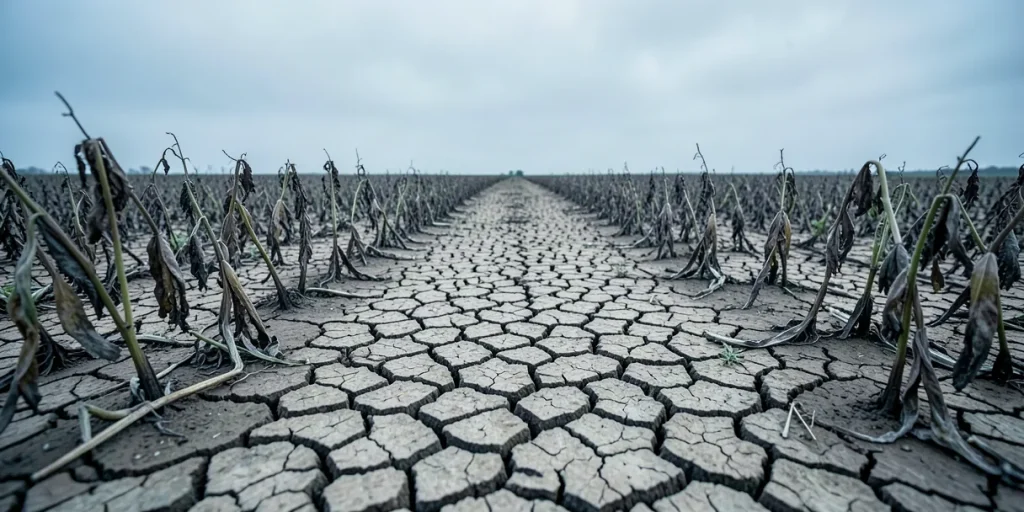
Climate change has a serious impact on agriculture, which is known to be directly dependent on climatic conditions. Rising temperatures and an increase in the frequency of droughts and floods not only reduce agricultural yields but also complicate the processes of crop growth and development. For example, in drought conditions, plants experience stress, which can lead to a decrease in the quality and quantity of produce. Furthermore, changes in climatic conditions can facilitate the spread of pests and diseases, which also negatively affects yields.
Given these factors, it is essential to carefully study the consequences of climate change for various sectors of the economy, particularly agriculture. This knowledge will help develop effective adaptation strategies, such as using climate-resilient plant varieties, implementing innovative soil management methods, and optimizing water resources. Adapting to new conditions will be an important step towards ensuring food security and sustainable development of the agricultural sector in the future.
Thus, climate change requires all participants in the agricultural industry to adapt to new realities. The application of modern agronomic practices, attention to environmental aspects, and readiness for change can help minimize negative consequences and ensure stable agricultural development in the face of a changing climate.
Impact on Crop Yields
Climate change significantly affects crop yields, which in turn threatens food security in many regions of the world. One of the main factors contributing to the decrease in yields is rising temperatures. Under global warming, changes in precipitation patterns are observed, leading to uneven distribution of moisture in the soil. This can create conditions for droughts and floods, which negatively affect plant growth and fruiting.
Extreme weather events, such as hurricanes, heavy rains, and droughts, are becoming more frequent. These disasters can disrupt agricultural cycles and lead to significant crop losses. For example, abrupt temperature changes can negatively impact the growing season of plants, complicating their development and fruit formation. Crops that require strict growth conditions, such as wheat, corn, and rice, are particularly vulnerable to such changes. These plants may not withstand high temperatures or lack of moisture, resulting in reduced yields.
In addition to the aforementioned factors, climate change also affects the spread of pests and diseases that can threaten agricultural crops. Rising temperatures contribute to the expansion of habitats for many pests, which in turn requires farmers to incur additional costs to combat them.
To adapt to the new climatic conditions, the implementation of resilient agronomic practices is necessary. This includes developing plant varieties capable of withstanding extreme climatic conditions, as well as improving soil and water resource management methods. It is also important to focus on a systematic approach to agronomy that considers changing climatic conditions and their impact on agriculture.
Flood and Drought Risks
Climate change significantly impacts agriculture, particularly by increasing the frequency and intensity of floods. These events are becoming more widespread, leading to the destruction of crops, loss of harvest, and deterioration of soil quality. Regional characteristics, such as drainage levels and water saturation, also play an important role in how floods affect agricultural land. As a result, farmers face the necessity of adapting to changing climatic conditions, which includes developing new water resource management methods and choosing flood-resistant crops.
Droughts, on the other hand, represent an equally serious threat to agriculture. They are particularly acute in regions where there is already a water shortage. Lowering groundwater levels and increasing air temperatures lead to a decrease in yields. Farmers are forced to resort to more efficient irrigation methods and use drought-resistant plant varieties. Drought-related problems can also lead to population migration, as rural residents seek more favorable conditions for farming.
The increasing frequency of extreme weather events, such as floods and droughts, directly affects food security. Decreased agricultural yields can lead to food shortages and increased prices, which in turn complicates access to resources for the population. In the context of climate change, it is necessary to develop and implement adaptation strategies to minimize the consequences of these risks for agriculture and ensure food security.
The following measures are needed to mitigate risks:
- Adaptation of agricultural practices to new climatic conditions.
- Use of resilient crop varieties.
- Optimization of irrigation systems and water resource management.
- Development of strategies to prevent crop losses in extreme weather conditions.
Adapting Agriculture to New Conditions
Adapting agriculture to new climatic conditions is becoming a critically important task for ensuring food security and sustainable development. One of the key areas of adaptation is the use of resilient plant varieties that cope better with climate changes, such as droughts and floods. These varieties not only provide more stable yields but also require fewer resource inputs, making them economically viable for farmers. In recent years, there has been an active implementation of genetically modified crops that possess increased resistance to adverse conditions.
Soil and water resource management is also an important adaptation strategy. Effective use of agronomy methods, such as crop rotation, minimal tillage, and moisture conservation, can significantly enhance the resilience of agriculture to climate change. For instance, introducing drip irrigation systems helps to optimize water resource use, which is especially relevant in the context of increasing drought frequency. Water resource management becomes a key element in combating the consequences of climate change, allowing farmers to respond more efficiently to weather fluctuations.
Examples of successful adaptation can be observed in different countries. In Kenya, farmers have started using drought-resistant corn varieties and implemented rainwater management techniques, allowing them to significantly increase yields even in low rainfall conditions. In the Netherlands, innovative technologies such as vertical farms and hydroponics are being used to minimize dependencies on climatic conditions and allow for crop production in any circumstances. These examples demonstrate that with the right approach and the use of modern technologies, it is possible to successfully adapt to the new challenges posed by climate change to agriculture.
In conclusion, adapting to climate change requires a comprehensive approach that includes both the selection of resilient varieties and effective management of natural resources. This will not only help preserve food security but also ensure sustainable agricultural development in the future.
The Role of Technology in Combating Climate Change
In the face of climate change, technology plays a key role in adapting agriculture and enhancing its resilience. Innovative approaches such as precision agriculture allow farmers to manage resources more effectively by utilizing data on soil conditions and weather. For example, the use of sensors and satellite technologies helps monitor moisture levels, temperature, and other parameters, allowing for the optimization of planting and harvesting times. These methods contribute not only to increased productivity but also to reducing negative environmental impacts.
Utilizing climate data to enhance agricultural resilience is becoming increasingly relevant. Farmers can adapt their strategies based on climate change forecasts. Monitoring systems that collect and analyze climate information help to identify risks related to droughts or floods in advance. This allows for informed decisions regarding the selection of crops best suited to specific conditions, as well as their cultivation methods. Thus, climate data becomes an important tool for ensuring food security.
Examples of new technologies that contribute to adapting agriculture to changing climatic conditions include genetic modification of plants aimed at creating varieties resistant to drought and diseases. It is also worth noting the use of biological methods such as composting and soil restoration, which help improve soil structure and increase yields. Another aspect is the implementation of automated irrigation systems that minimize water use and enhance its efficiency.
Thus, innovations in agriculture based on modern technologies and climate data open new horizons for adaptation to the challenges posed by climate change. These approaches not only help to increase yields but also promote sustainable development of the agricultural sector, which is especially important in the context of global climate changes.
Economic Consequences of Climate Change
Climate change significantly impacts the economy of agriculture, affecting not only farmers but also entire rural communities. Decreased yields due to adverse climatic conditions, such as droughts and floods, lead to rising prices for agricultural products. This creates additional difficulties for consumers and can lead to food security issues. In the face of increasing extreme weather events, farmers are faced with the necessity of adapting their farming methods, which requires significant financial investments.
The economic losses for farmers and rural communities can be colossal. Rising costs for equipment maintenance, seeds, and fertilizers, as well as the need to implement new technologies to protect crops from climate risks, put farmers in a difficult position. Many are unable to afford these additional expenses, leading to reduced incomes and even bankruptcies. This, in turn, negatively affects the economies of entire regions dependent on agriculture.
The prospects for the food market in the context of climate change appear ambiguous. On one hand, some regions may benefit from rising temperatures, which could increase yields of certain crops. On the other hand, the overall trend towards deteriorating climatic conditions poses significant risks. Projections indicate that after 2030, many regions of the world will face declining yields, creating additional challenges for the global food system.
In response to these challenges, the agricultural sector must adopt strategies aimed at sustainable development and adaptation to changing conditions. This may include:
- Using resilient plant varieties that can better withstand climate changes.
- Implementing water resource management technologies to minimize the impacts of droughts.
- Adapting soil cultivation methods to enhance productivity.
- Educating and supporting farmers on adapting to new climatic conditions.
Therefore, the economic consequences of climate change require a comprehensive approach and active actions from the government, science, and the farmers themselves.
Political and Social Aspects
Government policy plays a key role in supporting sustainable agriculture in the face of climate change. To achieve this goal, it is necessary to develop and implement effective strategies that will enable the agricultural sector to adapt to new climatic conditions. This includes investing in research and the development of sustainable agricultural technologies, as well as supporting farmers in transitioning to environmentally friendly farming practices. The adoption of legislative initiatives aimed at protecting the environment and reducing greenhouse gas emissions is also an important aspect of government policy.
Climate change significantly impacts social structures and agricultural communities. Decreased agricultural yields and increased frequency of extreme weather events, such as droughts and floods, lead to economic hardships for farmers. This, in turn, can trigger population migration and social conflicts in agricultural regions. The social resilience of communities depends on their ability to adapt to changes, which requires a comprehensive approach that includes education, training, and support from the government.
The need for international cooperation is becoming increasingly relevant in the context of global climate change. Countries must come together to share knowledge and technologies, as well as collaborate on projects aimed at improving agricultural resilience. Global initiatives and agreements can help countries more effectively tackle the challenges posed by climate change and ensure food security at the international level. It is important that cooperation is based on principles of fairness and equality, allowing for the interests of all parties to be considered and optimal solutions to be found for each region.
The Future of Agriculture in the Face of Climate Change
Climate change significantly affects agriculture, requiring the agricultural sector to adapt to new conditions. In various regions of the world, forecasts regarding crop yields vary. In some cases, a decrease in the production of major crops such as wheat and corn is expected due to extreme weather events such as droughts and floods. For example, in regions with already unstable climates, such as South Asia and parts of Africa, climate changes are expected to lead to significantly lower yields. At the same time, in some northern regions, new opportunities for agriculture may arise due to warmer temperatures and an extended growing season.
The prospects for developing sustainable agriculture are becoming increasingly relevant. Farmers are beginning to apply innovative methods such as using drought- and disease-resistant plant varieties, as well as precision agriculture technologies that allow for more efficient resource use. An important aspect is soil management: implementing agronomic practices that help preserve soil structure and increase its fertility helps mitigate the negative impacts of climate change. Agroforestry and permaculture systems are also becoming popular, as they promote biodiversity and ecosystem resilience.
Education and raising awareness among farmers and consumers play a key role in adapting to climate change. Training programs, workshops, and information campaigns help farmers master new technologies and agricultural practices. Supporting local initiatives and sustainable practices can contribute not only to increased productivity but also to the protection of natural resources. Ultimately, creating a sustainable agricultural system is a task not only for farmers but for society as a whole, requiring a comprehensive approach and collaborative efforts.
Frequently Asked Questions
How do climate changes affect agriculture?
What adaptation strategies are used in agriculture?
What are the economic consequences of climate change for agriculture?
Key Takeaways
- Climate change has a significant impact on agriculture.
- Adaptation includes the use of resilient plants and new technologies.
- The economic consequences can be severe for farmers and rural communities.
Sources
eos.com, scilead.ru, climate-box.com, dtn.com, openknowledge.fao.org
