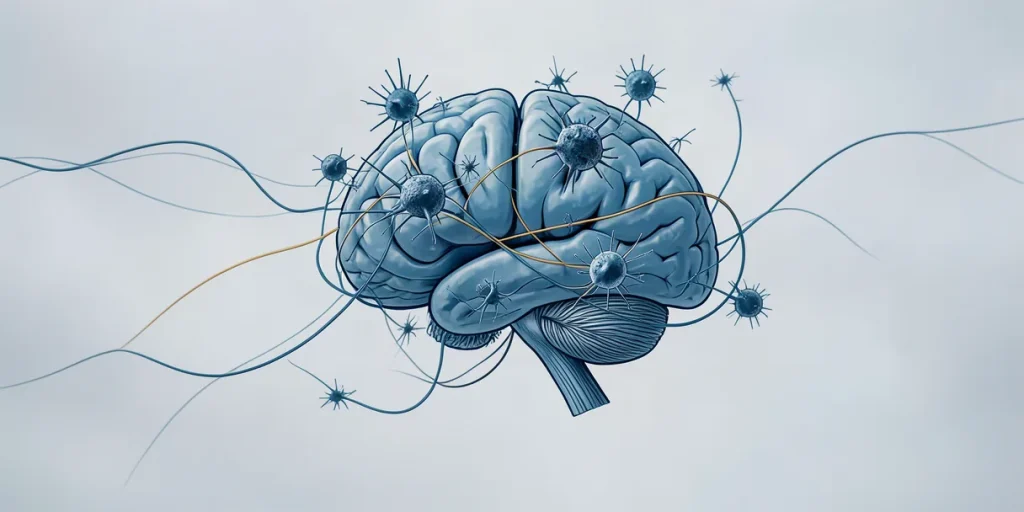
Introduction: Why Chronic Stress Is Dangerous for Immunity
Chronic stress—a prolonged state of psychological tension—directly affects the immune system and overall health. Under constant stress, the body releases excessive amounts of cortisol and other hormones, leading to decreased activity of T-lymphocytes and macrophages—key cells of cellular immunity. As a result, the risk of infectious and inflammatory diseases increases, and the recovery process slows down.
How Stress Affects the Immune System
Immunity relies on the coordinated work of cells and molecules that protect against pathogens. Chronic stress disrupts this harmony, causing several key effects.
Hormonal Changes
In response to stress, the hypothalamic-pituitary-adrenal (HPA) axis raises cortisol levels, which suppress the production of proinflammatory cytokines and reduce the number of T and B lymphocytes. This lowers the body’s ability to fight viruses and bacteria.
Inflammatory Processes
Despite immune suppression, chronic stress can trigger systemic inflammation due to an imbalance between proinflammatory and anti-inflammatory factors. This leads to tissue damage and increases the risk of developing chronic diseases.
- Decreased activity of natural killer cells—cells that destroy infected cells
- Reduced antibody production by B lymphocytes
- Lower numbers of macrophages responsible for phagocytosis
| Indicator | Acute Stress | Chronic Stress |
|---|---|---|
| Cortisol Level | Short-term spike | Persistently elevated |
| T-lymphocyte Activity | Temporary increase | Significant decrease |
| Inflammatory Markers | Moderate rise | Chronic inflammation |
The Impact of Chronic Stress on Overall Health
The immune system is closely linked with other body systems, so stress also affects general health.
Increased Risk of Illness
Chronic stress raises the likelihood of catching colds and viral infections by 25-40%, and worsens the course of autoimmune and inflammatory diseases.
Physical Symptoms and Complications
Beyond immune changes, stress causes headaches, stomach problems, skin deterioration, and poor sleep quality. For example, the dental clinic «DentaProf» recorded a 20% increase in gum inflammation cases among patients with chronic stress.
- Increase in blood pressure by 10-15 mm Hg
- Higher risk of cardiovascular diseases
- Exacerbation of chronic inflammatory processes
Practices and Methods to Reduce the Negative Effects of Stress
Maintaining immunity under stress requires comprehensive measures aimed at lowering stress hormones and restoring body balance.
Mindfulness and Meditation
Mindfulness programs, such as the Mindfulness-Based Stress Reduction (MBSR) course, have proven effective in lowering cortisol by 20-25% and improving immune response. Such courses are available at the «Center for Psychotherapy and Health» clinic, costing from 15,000 ₽ for 8 weeks.
Physical Activity and Nutrition
Regular moderate exercise (for instance, 30 minutes of walking daily) increases immune cell levels and reduces inflammation. It is also important to include foods rich in prebiotics and probiotics in the diet, such as yogurts from the company «Ecomilk,» priced around 150 ₽ per 400 g.
- Meditation and breathing exercises
- At least 150 minutes of physical activity per week
- Balanced diet with probiotics
- Maintaining a sleep schedule of 7-8 hours per night
| Method | Cortisol Reduction (%) | Immune Improvement (%) | Average Course Price (₽) |
|---|---|---|---|
| Meditation (MBSR) | 20-25 | 15-20 | 15,000 |
| Physical Activity | 15-20 | 10-15 | 0 |
| Probiotics in Diet | 10-15 | 5-10 | 150 (per 400 g yogurt) |
Psychoneuroimmunology: The Mind-Immune System Connection
Psychoneuroimmunology studies how emotional and cognitive processes influence the immune system. Research shows that chronic stress alters nervous system activity and hormonal balance, which affects immunity.
The Impact of Emotions and Thinking
Positive emotions and stress management skills reduce inflammation levels and increase disease resistance. For example, cognitive-behavioral therapy (CBT) programs at the «PsychoMed» clinic demonstrate a 10-15% improvement in immune markers after 12 weeks of therapy.
- Psychotherapy reduces anxiety and depression symptoms
- Improves sleep and overall well-being
- Reduces chronic inflammation
Frequently Asked Questions
How quickly does immunity recover after stress reduction?
Is it possible to take supplements to boost immunity under stress?
Which foods best support immunity during stress?
What role does sleep play in reducing the negative effects of stress?
Key Takeaways
- Chronic stress decreases T and B lymphocyte activity and raises cortisol levels.
- Stress triggers systemic inflammation and increases the risk of infections and chronic diseases.
- Mindfulness practices, physical activity, and proper nutrition help restore immunity.
- Psychoneuroimmunology confirms the link between emotional state and immune health.
- Cognitive-behavioral therapy and meditation reduce stress hormones and improve immune markers.
Conclusion
Chronic stress is a serious factor that weakens immunity and deteriorates health. Understanding the biological mechanisms of stress’s impact enables the use of effective methods to mitigate its negative effects. Modern approaches—including psychotherapy, mindfulness, physical activity, and proper nutrition—help maintain the immune system in optimal condition, reducing disease risks and improving quality of life.
Sources
- Forbes Life — «Psychotherapy for Immunity: How to Help the Body if Chronic Stress During Quarantine Affects Health»
- MedAboutMe — «What Stress Does in the Body: Effects on Health, Immunity, and Stress Management»
- continentalhospitals.com — «How Stress Affects Your Health?»
- wohlfuehlprodukte.com — «Psychoneuroimmunology: How the Mind-Immune System Connection Influences Our Health»
- BURO — «How Chronic Stress Affects Dental Health»