Updated: August 28, 2026
In the world of technology, robots are becoming increasingly advanced, and a striking example of this progress is the Unitree robot. With the ability to jump up to two meters and reach speeds of 45 kilometers per hour, it attracts attention from both specialists and enthusiasts of innovative solutions. This robot not only demonstrates outstanding physical characteristics but also opens new horizons for application in various fields.
Unitree is not just a mechanical device, but a true assistant capable of handling a multitude of tasks. Its agility and speed make it an ideal candidate for working in challenging conditions, such as rescue operations or research missions. In this article, we will take a closer look at what lies behind the success of the Unitree robot and the opportunities it offers modern society.
General Information about the Superman Robot
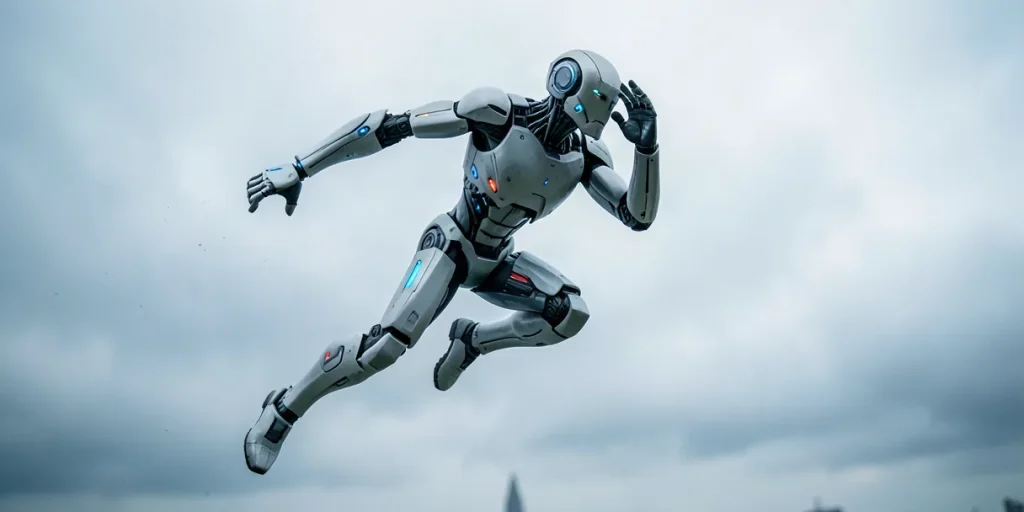
The Superman robot, developed by Unitree Robotics, represents an impressive achievement in the field of robotics. Created in just four months, this humanoid robot demonstrates remarkable physical capabilities, particularly a jump height of up to two meters and a movement speed of up to 45 km/h. Such characteristics make it one of the fastest humanoid robots in the world, which undoubtedly captures the interest of both specialists and the general public.
The robot’s leg length is 0.85 meters, which is an optimal ratio for achieving high results in jumps and fast movement. Its unique design and control algorithms allow Superman not only to jump to significant heights but also to effectively accelerate, opening new horizons for the application of humanoid robots in various fields. For instance, such technologies can be used in rescue operations where high mobility and the ability to overcome obstacles are required.
As part of its development, Unitree Robotics aims not only to create high-performance robots but also to implement them in everyday life. With each new project, companies like Unitree bring us closer to the time when humanoid robots will become a commonplace occurrence in our lives, helping us solve complex tasks and improving our quality of life.
Technical Specifications
The Unitree robot, named Superman, demonstrates impressive technical specifications that place it among the best examples of modern humanoids. The maximum speed that this robot can reach is 12.66 meters per second, equivalent to 45.6 kilometers per hour. Such figures make it one of the fastest robots in the world, surpassing many similar devices and even some animals.
One of Superman’s most notable achievements is its ability to jump up to two meters from a standstill. This allows it not only to overcome obstacles but also to set new records in jumping among humanoid robots. It is important to note that the robot’s leg length is only 0.85 meters, making its achievements particularly impressive. According to the developers, this robot managed to surpass the record set by a human, which is 1.8 meters, in just three months of development.
The design and creation of Superman took less than four months, and it has already demonstrated its unique capabilities at various events. This speaks to the high level of technology used at Unitree Robotics and the rapid progress in the field of robotics. The robot not only performs physical tasks but also opens new horizons for the application of humanoids in various fields, including sports, rescue operations, and even entertainment.
Comparison with Other Humanoid Robots
Comparing the new Unitree Superman robot with previous models of humanoid robots highlights its outstanding characteristics. The maximum speed of 45 km/h (12.66 m/s) positions it on par with the best specimens in this category. In comparison, many existing humanoid robots, such as models from Boston Dynamics, typically achieve speeds of around 3-4 km/h. Thus, Unitree Superman demonstrates a significant speed advantage, making it one of the fastest humanoids on the market.
When it comes to jumping capabilities, Unitree Superman also stands out among competitors. Its ability to jump to a height of up to two meters from a standstill has no equivalent among previous humanoid robots. For example, models like Atlas from Boston Dynamics can jump, but their jump height is significantly lower—about 0.5 meters. This makes Superman not only more agile but also capable of overcoming obstacles that are inaccessible to many other robots.
Analysis of the mobility and maneuverability of Unitree Superman shows that it combines speed and aggressive dynamics of movement. Its legs, measuring 0.85 meters, combined with advanced control algorithms, provide high stability and the ability to perform sharp maneuvers. This enables it to navigate complex routes effectively and adapt to changing environmental conditions. Such qualities open new horizons for the application of humanoid robots in various fields, from logistics to rescue operations.
Overall, Unitree Superman sets new standards in the field of humanoid robots, combining speed, strength, and unique capabilities that significantly surpass the achievements of previous models. This makes it one of the most promising solutions for the future of robotics.
Potential Applications
The Unitree robot, with its unique jumping abilities and high speed, opens up numerous new possibilities in various fields. In sports and entertainment, this humanoid could become not only a spectacular attribute but also a training tool for athletes, capable of performing complex acrobatic elements. For instance, its jumping abilities could be used to create new forms of sporting competitions, such as robo-Olympics, where participants compete in jumps and speed. Furthermore, this robot can serve as a tool for training and preparing athletes, helping them improve their skills.
In the area of rescue operations and research, the Unitree robot will also find application. Thanks to its speed and ability to overcome obstacles, it can be used for search and rescue operations in hard-to-reach places. For example, in cases of natural disasters such as earthquakes or floods, it could quickly reach victims and relay information to rescuers about people’s locations. Moreover, its agility and ability to jump to heights of up to two meters make it an ideal candidate for working in challenging conditions such as mountainous areas or collapsed buildings.
In logistics and manufacturing, the capabilities of the Unitree robot become even more apparent. Its high speed and ability to navigate complex routes could be leveraged for automating warehouse processes and delivering goods. The robot could quickly move between different zones, optimizing logistics chains and reducing delivery times. This, in turn, would enhance the efficiency of enterprises and reduce labor costs.
Thus, the humanoid robot Unitree represents a promising technology that can change approaches in sports, rescue operations, and logistics, opening new horizons for the application of robotics in various areas of life.
Technologies and Innovations of Unitree Robotics
Unitree Robotics has made a significant leap forward in robotics by introducing its new humanoid robot named Superman. This robot not only demonstrates high speed, reaching 45 km/h, but is also capable of jumping to a height of up to two meters. Such achievements have become possible thanks to innovative developments in mechanics and robotics that were implemented in a record short time—less than four months.
An important aspect of the success of Unitree Superman has been the use of advanced technologies and software developed for controlling the robot’s movements. Unique control algorithms allow the robot to effectively balance and adapt to various conditions, making it one of the most advanced humanoid robots on the market. For example, thanks to special sensors and software modules, Superman can precisely calculate the force and angle of a jump, allowing it to overcome heights that are inaccessible to most humanoid machines.
During the development process, Unitree Robotics also patented several key technologies that formed the basis of the design solutions used in Superman. These include advanced drive mechanisms that ensure high speed and maneuverability, as well as new materials science solutions that reduced the robot’s weight without compromising its strength and stability. These patents confirm the company’s innovative approach and allow it to remain at the forefront of the robotics industry.
Overall, the success of Unitree Superman is the result of a combination of high technologies, innovative design and development approaches, as well as a commitment to creating robots capable of performing tasks that were previously considered impossible. The Superman robot not only sets new performance standards but also opens new horizons for the application of humanoid robots in various fields, from sports to rescue operations.
The Future of Humanoid Robots
The future of humanoid robots, such as the Unitree Superman, opens new horizons for humanity. With each passing year, technologies are advancing rapidly, and the capabilities of robots such as jumping up to two meters and running at speeds of up to 45 km/h raise numerous questions and opportunities for us. First and foremost, this concerns their application in various fields—from industry to services. Humanoid robots can significantly ease the performance of routine tasks and assist in dangerous conditions where human life is at risk. For example, they could be used in construction, search and rescue operations, or even in medicine to aid doctors.
However, with the growing influence of robots on the labor market, the need to discuss their impact on society arises. The introduction of humanoid robots may lead to significant changes in employment structure. On the one hand, process automation can increase productivity and reduce costs, but on the other hand, it may result in job losses for humans. It is important to consider that the emergence of new technologies can also create new professions related to servicing and managing robots, which can help mitigate negative consequences.
Ethical issues related to the use of humanoid robots also require attention. How can we ensure safe interaction between humans and machines? How do we establish boundaries for their use to avoid potential abuses? These questions become especially relevant against the backdrop of rapid technological advancement. Society must actively participate in the discussion and formation of norms and rules governing the use of such robots to ensure their ethical application and protect human rights.
Thus, the future of humanoid robots promises to be interesting and multifaceted. The application of such technologies could significantly change our lives, and it is crucial that we approach this process consciously and responsibly, considering all aspects—from technological to ethical.
Reviews and Reactions to the Robot
The development of the Unitree robot, known as Superman, has generated significant interest among both robotics experts and the general public. Experts’ opinions about this device are generally positive. Many note that the robot’s achievements in jumping and speed elevate it to a new level compared to previous models of humanoid robots. Experts emphasize that Superman’s ability to jump to a height of two meters and reach speeds of 45 km/h opens new horizons for the application of such technologies in various fields, including sports, rescue operations, and even transportation.
In scientific circles, discussions about the new robot are actively ongoing. Scientists and researchers note that such achievements have been made possible through the use of modern technologies and algorithms that optimize the movements and control of the robot. Furthermore, many experts believe that further research in this field will lead to the creation of even more advanced models capable of performing complex tasks that require high mobility and responsiveness.
The public perception of humanoid robots is also undergoing changes. With the emergence of such advanced devices as Superman, interest and trust in technologies based on artificial intelligence and robotics are growing. Users on social media are actively discussing the possibilities that such achievements open up. Some express concerns about the rapid development of technologies, while others admire their potential and the future they could create.
Overall, Superman has become a symbol of new opportunities in the field of robotics, and its impact on society continues to grow. Positive reviews from experts and consumers underscore the importance of further development of humanoid robots and their integration into everyday life.
Conclusion
The development of the Superman robot by Unitree Robotics represents a significant step forward in robotics. In just three months, engineers were able to create a humanoid robot capable of not only jumping up to two meters but also running at speeds of up to 45 km/h. These achievements underscore how rapidly technology is advancing and how promising innovations in this field are. Superman, with its outstanding physical characteristics, is capable of surpassing many human records, opening new horizons for the application of robotics.
It is important to note that such achievements have not only scientific but also practical significance. Robots like Superman could find applications in various industries, from logistics to rescue operations, where speed and the ability to overcome obstacles are key factors. The development of technologies such as artificial intelligence and mechanics will allow for the creation of more advanced and versatile machines capable of solving complex tasks and interacting with the environment at a new level.
We encourage everyone to pay attention to these innovations and support the development of technologies in the field of robotics. Investments in research and development could lead to the creation of new, safer, and more efficient solutions that will improve the quality of life and help tackle global challenges. A future where robots play a crucial role in our society is becoming increasingly real, and we, as a society, must be ready for these changes.
Frequently Asked Questions
What is the maximum speed of the Superman robot?
How high can the robot jump?
How long did it take to develop the robot?
Key Takeaways
- The Superman robot sets new records in the field of robotics.
- Innovative technologies allow for impressive results.
- The future of humanoid robots promises to be promising.
Sources
hi-tech.mail.ru, 3dnews.ru, ixbt.com, OBOZ.UA, vietnam.vn
