Updated: October 22, 2026
Introduction: The Role of Skin Microflora in Body Protection
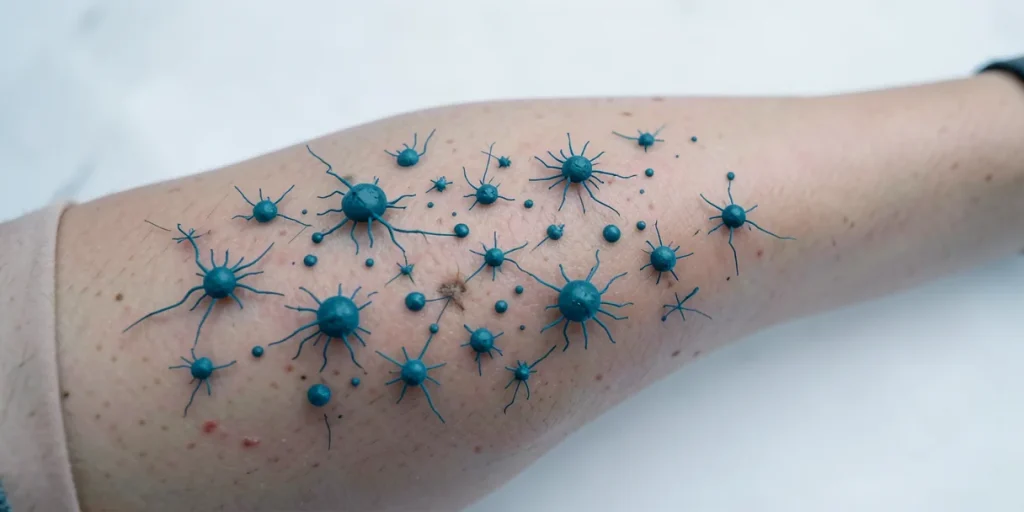
Skin microflora is a community of microorganisms inhabiting the outer layer of human skin. It plays a key role in maintaining skin health and immunity by preventing pathogen invasion. The human body hosts about a trillion different bacteria, fungi, and viruses, most of which reside on the skin.
Studies in 2026 show that a normal skin microbiome maintains an acidic balance (pH around 5.5), which is critical for infection protection and moisture retention.
Structure of the Skin Microbiome and Its Functions
Functional Significance of the Microbiome
- Maintaining skin’s acidic balance (pH 4.5–5.5)
- Competing with pathogenic microorganisms
- Regulating the skin’s immune response
- Stimulating the production of antimicrobial peptides
Disruption of the microbiome, for example through excessive use of harsh detergents or antibiotics, leads to reduced skin defense and inflammation development.
| Bacterial Genus | Function | Optimal pH | Effect on Immunity |
|---|---|---|---|
| Staphylococcus epidermidis | Antimicrobial protection | 5.0–5.5 | Stimulates cytokine production |
| Corynebacterium spp. | Supports skin barrier | 4.5–5.5 | Regulates inflammation |
| Propionibacterium acnes | Lipid metabolism participation | 5.0–5.5 | Modulates immune response |
Mechanisms of Infection Protection
Skin microflora prevents pathogen colonization in several ways. First, it competes for nutrients and attachment sites, blocking harmful bacterial growth. Second, microorganisms release antimicrobial substances that kill or suppress pathogens.
Impact on the Immune System
The microbiome stimulates skin cells (keratinocytes) and immune cells to produce cytokines and antimicrobial peptides, enhancing local immunity. Disrupted microflora reduces this defense, increasing the risk of infections and inflammation.
Microbiome Disruption and Skin Diseases
Microflora imbalance (dysbiosis) is associated with common skin diseases such as atopic dermatitis, acne, and psoriasis. For example, excessive growth of Propionibacterium acnes is often seen in acne, while a deficiency of Staphylococcus epidermidis occurs in atopic dermatitis.
Factors Causing Dysbiosis
- Excessive use of antiseptics and antibiotics
- Improper skin care (harsh soaps, frequent washing)
- Stress and sleep disturbances
- Overexposure to UV rays and smoking
The Gut Microbiome’s Influence on Skin
The gut microbiome directly affects skin condition through systemic inflammation and metabolism. Poor diet and intestinal dysbiosis elevate inflammatory cytokine levels, accelerating skin aging and triggering skin diseases.
Probiotics and Healthy Skin
Taking probiotics with Lactobacillus rhamnosus and Bifidobacterium longum for 8–12 weeks reduces skin inflammation and improves hydration. The average price for a probiotic course in Russia is 1200–2500 rubles.
Modern Approaches to Skin Microflora Care
To maintain a healthy microbiome, it is recommended to use cosmetics with a neutral pH of 5–6 and free from harsh preservatives. Brands like La Roche-Posay and Bioderma offer special microbiome lines priced between 900 and 2500 rubles per bottle.
Criteria for Choosing Care Products
- Cosmetic pH not higher than 6
- No sulfates or parabens
- Contains prebiotics or probiotics
- Hypoallergenic and dermatologically tested
| Brand | Product Type | pH | Price (₽) | Features |
|---|---|---|---|---|
| La Roche-Posay Toleriane | Moisturizing cream | 5.5 | 1500 | With prebiotics, paraben-free |
| Bioderma Atoderm | Facial cleansing gel | 5.0 | 900 | Hypoallergenic, sulfate-free |
| CeraVe Hydrating Cleanser | Cleanser | 5.5 | 1200 | With ceramides and probiotics |
Frequently Asked Questions
What is the skin microbiome?
How can I maintain a healthy skin microbiome?
Can the microbiome be restored after antibiotics?
Does gut health affect the skin microbiome?
Key Takeaways
- A healthy microbiome protects against infections and regulates skin immunity.
- Microbiome dysbiosis is linked to common skin diseases.
- The gut microbiome affects skin condition through inflammation and metabolism.
- Care with probiotics and neutral pH products supports the microbiome.
Conclusion
Skin microflora is a vital component in protecting the body from infections and maintaining the immune system. Current scientific data confirm that maintaining the balance of microorganisms on the skin directly impacts its condition and overall human health. Proper care—including the use of probiotic products and maintaining acid balance—as well as attention to gut health, are key factors in preventing skin diseases and slowing skin aging. In 2026, these insights form the foundation for developing new cosmetic products and therapeutic approaches aimed at preserving the microbiome and overall skin health.
Sources
- globalacademy.ru — “Skin Microbiome: A Practical Guide for Cosmetologists”
- Dermatology in Russia — “Structure and Function of the Skin Microbiome”
- zdravcity.ru — “How the Gut Microbiome Affects Skin — Zdravcity”
- apteka.ru — “Skin Microbiome: Why Bacterial Balance Is Important — Apteka.ru”
- marknestormd.com — “The Role of Gut Health in Skin Care: How Probiotics Help”