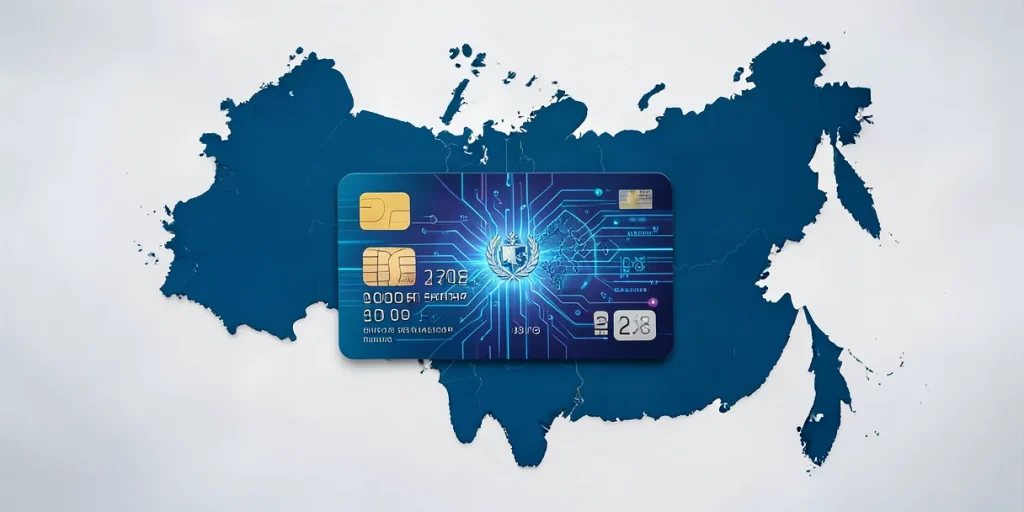
Unified Banking Card System: What It Is and Why It’s Needed
The Unified Banking Card System in Russia is a new national payment mechanism designed to integrate various payment services into a single infrastructure. The initiative was introduced in the State Duma in September 2026 and aims to enhance the security and accessibility of cashless payments across the country.
The main goal of the system is to ensure compatibility among cards from different banks and payment operators, reduce servicing costs, and increase transaction speeds. Its rollout is planned by the end of 2026, targeting coverage of at least 80% of all card payments in Russia, making the project large-scale and significant for the economy.
Technical Features and Standards
The system is built on modern security protocols, including two-factor authentication and data tokenization. This will minimize the risks of fraud and personal data leaks.
Integration with the system requires mandatory compliance with the PCI DSS version 4.0 standard, established by the international PCI Security Standards Council. Additionally, the system supports contactless payments up to 5,000 rubles without entering a PIN, speeding up the payment process.
The Role of Banks and Payment Operators
Leading Russian banks, including Sberbank and VTB, as well as the national operator «National Payment Card System» (NSPK), are involved in the system’s development and implementation. Banks must connect their cards to the unified system and ensure compatibility with the new standard by December 1, 2026.
Payment operators will have the opportunity to reduce commission fees on domestic transactions, encouraging growth in cashless payments and expanding access to financial services for both the public and businesses. In particular, average rates are expected to decrease by 0.2 to 0.5 percentage points.
Impact on Consumers and Businesses
For users, the unified banking card system will provide convenience and security in payments, as well as broaden the geographic acceptance of cards. Consumers will be able to use a single card to pay across various services and regions without additional fees.
Small and medium-sized businesses will gain access to simplified and more favorable acquiring conditions, boosting turnover and competitiveness. Experts forecast a 15-20% increase in the number of sales points accepting cashless payments within the first year after launch.
Development Prospects and Legislative Support
The government plans to accompany the system with new regulations governing security, personal data protection, and transaction transparency. Amendments to the «National Payment System» law are expected to be adopted early in 2027.
There is also a plan to create a unified registry of cards and transactions for swift response to suspicious activities. This will become a key tool in combating financial crimes and will enhance public trust in cashless payments.
Summary: The introduction of a unified banking card system in Russia promises to improve payment security and convenience while stimulating the development of the country’s cashless economy.