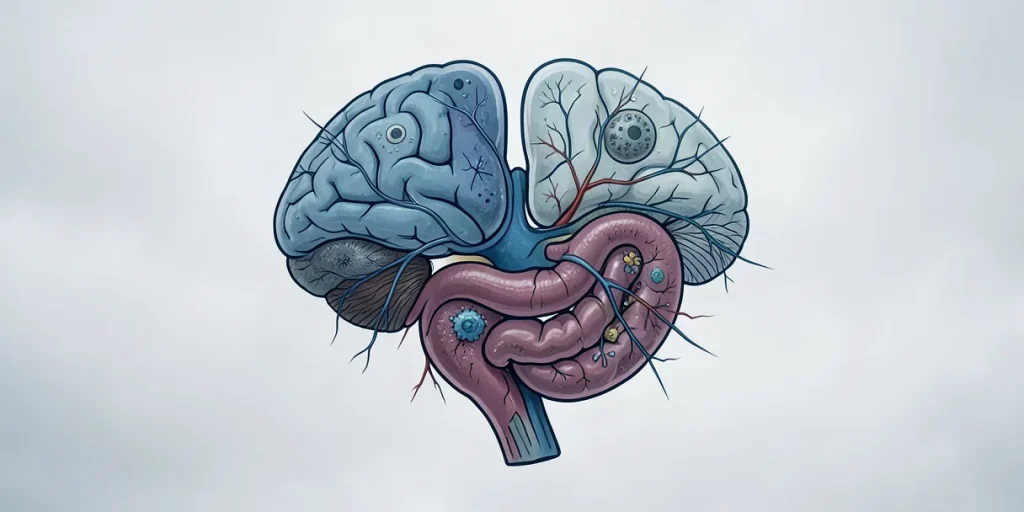
Direct Correlation Between ADHD and Gut Issues
Researchers from the University of Warwick analyzed data from over 1.9 million people and found that individuals with attention deficit hyperactivity disorder (ADHD) have almost a 50% higher likelihood of experiencing gastrointestinal symptoms compared to those without the diagnosis. These findings were published in the Journal of Attention Disorders, lending weight to the new insights.
The connection is particularly pronounced with specific conditions: constipation occurs nearly twice as often in patients with ADHD, irritable bowel syndrome is 58% more common, and encopresis, or loss of bowel control, appears more than four times as frequently. These figures highlight the significance of the identified relationship and the need to consider gastrointestinal health when managing patients with ADHD.
The Gut-Brain Axis and Its Role in ADHD
It has long been known that the state of the gut microbiome influences the nervous system. While this connection has been extensively studied in autism, the extent of gut symptoms in ADHD has remained less clear. Current research confirms the involvement of the gut–brain axis in neurological disorders, explaining why gastrointestinal problems often accompany ADHD.
The link between gut bacteria composition and brain function is mediated by the vagus nerve—a key communication channel between the digestive system and the central nervous system. Patients with ADHD show distinctive microbiome features that may affect gut function and possibly influence the manifestations of the syndrome itself.
Factors Affecting the Gastrointestinal Tract in ADHD
The exact causes of the high frequency of gastrointestinal symptoms in people with ADHD are not yet fully established, but experts point to several possible factors. First, behavioral traits associated with ADHD, such as impulsivity and irregular eating habits, can impair gut function. Second, medications used to control ADHD symptoms often cause gastrointestinal side effects, including constipation.
Thus, the combination of biological and behavioral factors, along with pharmacological treatment, creates a complex interplay affecting digestive health in patients. This calls for a comprehensive approach to diagnosis and therapy that takes all aspects of the individual’s condition into account.
Practical Implications for Medicine
The study’s authors recommend that doctors treating patients with ADHD should routinely include questions about gastrointestinal health during examinations. If symptoms such as constipation or abdominal pain are present, consultation with a gastroenterologist and dietary guidance may be necessary to adjust nutrition and address related issues.
Paying attention to gastrointestinal symptoms can improve patients’ quality of life and help better manage the core symptoms of ADHD. Ignoring these symptoms may complicate treatment and worsen overall patient well-being.
Prospects for Further Research
The researchers emphasize that the identified association is correlational and does not prove causality. Continued study is needed to separate the influence of biological traits from medication effects and to better understand the mechanisms of brain-gut interaction in ADHD.
Developing new therapeutic approaches that consider the microbiome and digestive system health could open up promising opportunities for more effective treatment and prevention of ADHD symptoms in the future.
Conclusion: This new research underscores the importance of a holistic approach to ADHD treatment that incorporates gut health and the microbiome.
Sources
- peptidy-npcriz.ru — “Global study shows ADHD linked with greater”
- vk.ru — “ADHD associated with gastrointestinal dysfunction”
- iz.ru — “Scientists link gut microbiome to autism and ADHD risk”
- Apollo Hospitals — “Attention Deficit Hyperactivity Disorder (ADHD) — causes, symptoms, diagnosis, treatment, and prevention”
- emcmos.ru — “Attention Deficit Hyperactivity Disorder (ADHD) in children”