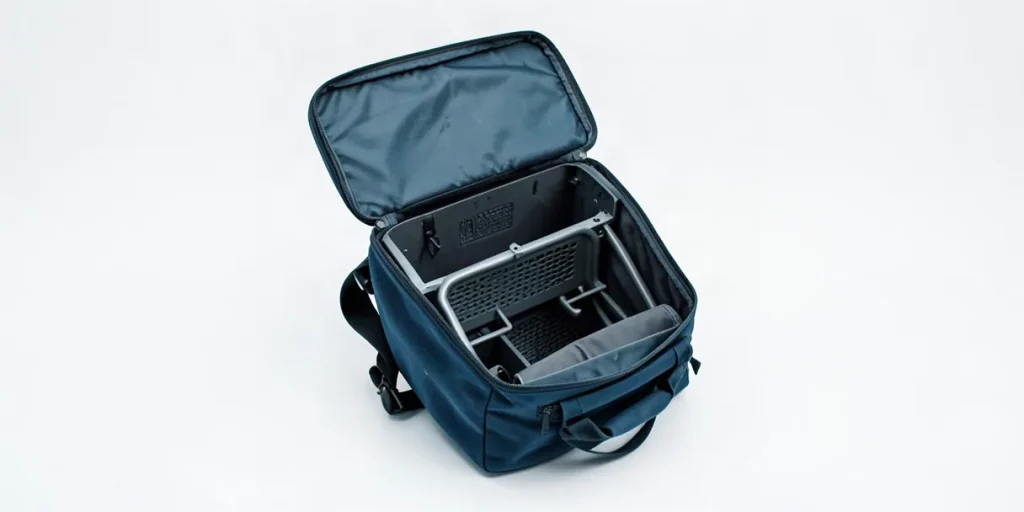
Choosing a backpack for an extended hike is a crucial step toward a successful and comfortable journey. The ideal backpack should account for the route’s specifics, the total weight of your gear, and your individual body measurements. In 2026, the market offers models with improved ventilation, thoughtful ergonomics, and various volumes, enabling every hiker to find the perfect fit.
Backpack Volume and Weight: What Matters for Extended Hiking
The primary factor when selecting a backpack is its volume, which directly depends on the hike’s duration and the amount of gear. For trips lasting 5 to 10 days, an optimal volume ranges from 50 to 70 liters. Smaller packs won’t hold all the essentials, while oversized ones add unnecessary weight and strain.
The weight of an empty backpack is also important. Modern models made from nylon and polyester with reinforced inserts weigh between 1.2 and 2.5 kg. For example, the popular Gregory Baltoro 65 weighs about 2.3 kg, considered a balanced choice for long routes.
Volume and Weight Selection Criteria
- Volume of 50–70 liters for 5–10-day hikes
- Backpack weight no more than 2.5 kg for comfortable carrying
- Adjustable volume via external straps
- Presence of internal and external pockets for gear organization
Rigid Frame and Back Support
For extended hikes, backpacks with a rigid or semi-rigid frame are recommended. Such a frame evenly distributes the load along the spine, helping to prevent fatigue and injury. In 2026, models feature aluminum or composite frames that provide strength and lightness.
Beyond the frame, the back support system and hip belt are crucial. Backpacks with anatomical hip belts and adjustable backs, like the Osprey Atmos AG 65, offer extra comfort and stability when trekking over rugged terrain.
Key Support Features
- Aluminum or composite frame for rigidity
- Adjustable back for a custom fit
- Wide hip belt with soft padding
- AirMesh suspension system for ventilation
Ventilation and Materials
Comfort on the trail largely depends on the backpack’s ventilation system. Modern models feature backs with mesh inserts that promote airflow and reduce sweating. Technologies like AirVent or similar are common in most premium backpacks.
The backpack materials must be both lightweight and durable, resistant to mechanical damage and moisture. In 2026, nylon with 500D density and polyester with PU coating have become standard. Some models, such as the Deuter Aircontact 65+10, also include water-repellent treatment.
Material Selection Criteria
- 500D nylon with PU coating for water resistance
- Mesh ventilated back with AirMesh technology
- Reinforced seams and water-resistant zippers
- Lightweight yet wear-resistant fabrics
Functionality and Additional Features
A backpack for long hikes should have well-planned space organization. Multiple compartments, external pockets for water bottles and small items, plus attachments for trekking poles and tents, greatly ease a hiker’s life.
Quick access is also important—models with front-loading compartments and side zippers allow gear retrieval without unpacking the entire pack. Built-in rain covers and reflective elements add convenience and safety.
Main Functions of Modern Backpacks
- Multiple compartments with varied loading options
- External mesh pockets for water bottles
- Attachments for trekking poles and sleeping bags
- Built-in rain cover and reflectors
| Model | Volume, l | Weight, kg | Material | Price, ₽ |
|---|---|---|---|---|
| Gregory Baltoro 65 | 65 | 2.3 | 500D Nylon | 35 000 |
| Osprey Atmos AG 65 | 65 | 2.1 | Nylon with PU coating | 38 000 |
| Deuter Aircontact 65+10 | 75 | 2.5 | 600D Nylon | 32 500 |
| Fjällräven Kajka 65 | 65 | 2.4 | Polyester | 40 000 |
- 65 l optimal backpack volume for a 7-day hike
- 2.1–2.5 kg average weight of an empty framed backpack
- 32,500–40,000 ₽ price range of top models
- 500–600D nylon fabric density for durability
Frequently Asked Questions
How do I properly choose a backpack size based on my height?
Is it worth buying a backpack with a hydration system?
How can I check the comfort of a backpack before buying?
Should I buy additional accessories for my backpack?
Key Takeaways
- A volume of 50–70 liters is optimal for hikes up to 10 days
- A rigid frame and anatomical back support are important for comfort
- Materials should be lightweight, durable, and water-repellent
- Thoughtful compartment organization makes gear access easier
- Test the backpack with a load before purchasing
Choosing a backpack for extended hikes is a balance of volume, weight, comfort, and functionality. In 2026, the variety allows you to pick a model suited for anything from classic trekking to mountaineering. Remember, your backpack will be your main companion on the trail, so investing in quality and comfort is key to enjoyable and safe travel experiences.
Sources
- dancestar.com.ua — “Best Backpacks for Trekking 2026: How to Find Your Perfect Model?”
- ekasport.ru — “Top 8 Backpacks for Mountain Hiking: How to Choose the Ideal Backpack for Adventures”
- alp.com.ua — “How to Choose a Hiking Backpack: Key Steps for Beginners from ALP”
- thepoizon.ru — “Best Hiking Gear in 2026: How to Choose the Perfect Backpack”
- thepoizon.ru — “Top Backpacks for Hiking in 2026: Choosing the Ideal Option”