Updated: August 27, 2026
Modern technologies are rapidly changing our perception of health and fitness. Wearable devices have become an integral part of the lives of millions, offering new opportunities for tracking physical activity, monitoring health status, and motivating sports engagement. Each year, we see these gadgets becoming more functional and accessible, allowing users not only to track their progress but also to receive personalized recommendations.
Health wearables assist not only athletes but also those who are just beginning their journey towards an active lifestyle. With integration into mobile applications, users can analyze their data, set goals, and receive support from the community. In this article, we will explore how wearable devices are transforming the approach to fitness and the benefits they offer to anyone seeking to improve their health.
Introduction to the World of Wearable Technologies
Wearable devices, such as fitness trackers and smartwatches, have become an integral part of our daily lives, especially in the realm of fitness and health. These technologies allow users to track their physical activity, analyze data on heart rate, calories burned, and even sleep quality. As a result, they serve as personal trainers, helping not only to achieve sports goals but also to prevent injuries. Modern wearables provide users with the opportunity to approach their health and fitness more consciously, which, in turn, changes the very concept of training.
Historically, wearable devices began evolving in the early 2000s with the advent of the first fitness trackers. These devices were initially designed for simple step counting and basic activity tracking, but over time their functionality has significantly expanded. Smartwatches, which appeared later, combined numerous functions, including the ability to take calls, receive notifications, and use applications for various purposes, making them even more popular among users. Thus, we are witnessing the evolution of wearable technologies, transforming from simple tools into sophisticated health monitoring systems.
The modern market offers a wide variety of wearable devices that can meet diverse user needs. The main categories include:
- Fitness Trackers: devices that track physical activity, steps, distance, and calories.
- Smartwatches: multifunctional gadgets that combine fitness tracker functions with the ability to receive notifications and manage applications.
- Heart Rate Monitors: specialized devices that provide accurate heart rate monitoring during workouts.
- Smart Bracelets: compact devices that generally have similar functions to fitness trackers but with a simplified design.
Thus, wearable devices not only help users monitor their health but also encourage a more responsible approach to physical activity and lifestyle in general.
How Wearable Devices Help Monitor Health
Wearable devices, such as fitness trackers and smartwatches, have become an integral part of the modern approach to health and fitness. They enable users to track their physical activity in real-time, recording the number of steps, calories burned, and active minutes. This not only helps motivate people to lead a more active lifestyle but also provides an opportunity for analysis and improvement of the training process. For example, data on the number of steps can help determine whether a person is active enough throughout the day, while information on calories allows for monitoring the balance between calories consumed and burned.
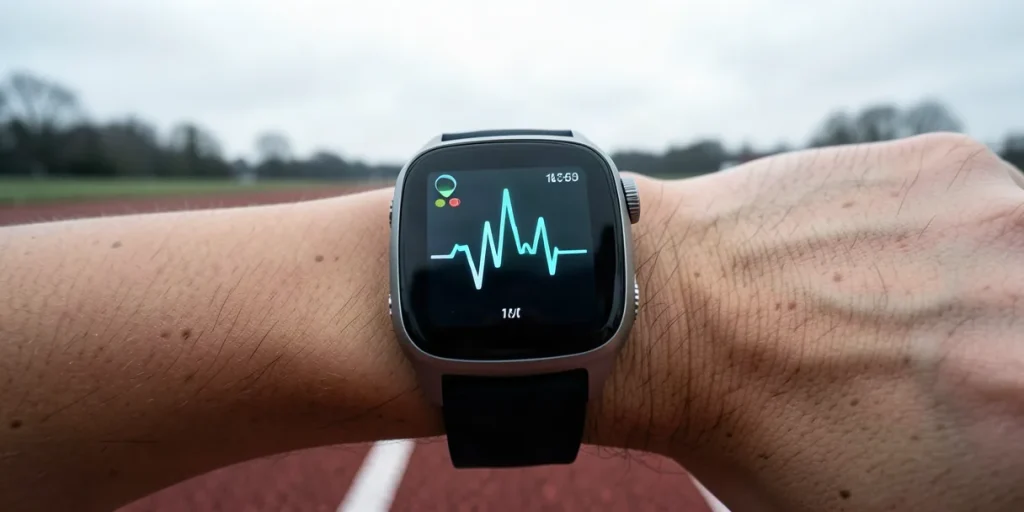
Heart rate monitoring is another important function of wearable devices that holds significant value for training. Regularly tracking heart rate allows athletes to understand how effectively their workouts are progressing and whether they are exceeding safe load limits. This also helps optimize the training process: knowing one’s heart rate allows for selecting the right intensity of effort to achieve maximum results, whether in cardio workouts or strength training. Furthermore, heart rate monitoring can alert users to potential health issues, making it a vital tool for prevention.
Data analysis on sleep is yet another area where wearable devices significantly impact users’ health. Quality sleep plays a key role in the body’s recovery after physical exertion and overall well-being. Wearable devices can track various phases of sleep, as well as duration and quality. The data obtained helps users better understand their sleep habits and make necessary adjustments to improve rest quality. A proper sleep regimen contributes not only to physical recovery but also to enhancing cognitive functions and mood.
Thus, wearable devices become true allies in health care, offering users access to vital information and fostering a more conscious and effective approach to fitness.
Benefits of Using Fitness Trackers
Fitness trackers and other wearable devices are becoming an essential part of the modern approach to fitness, offering users numerous benefits. One key aspect of their use is the ability to create personalized workouts based on collected data. These devices record user activity, analyze physical load, and provide recommendations tailored to individual needs and goals. As a result, athletes can more effectively plan their workouts, focusing on aspects that require the most attention, whether it be endurance, strength training, or flexibility improvement.
Moreover, fitness trackers play a crucial role in preventing injuries. By analyzing the load on the body, they can detect signs of overexertion or fatigue, allowing users to adjust their workouts in time. For instance, if a device records that the heart rate exceeds normal levels during certain exercises, it may signal the need to reduce intensity or take a break. This approach not only helps avoid injuries but also fosters more long-term achievements in sports.
Additionally, we cannot overlook the motivation that fitness trackers provide. They not only record achievements but also create a community of users who can share their experiences, progress, and support each other. Many devices offer the possibility of participating in competitions and challenges, which encourages users to reach new heights. Interacting with others who have similar goals makes engaging in sports more enjoyable and less solitary.
Thus, fitness trackers become not just auxiliary tools but full-fledged partners in sports activities, ensuring safe, effective, and motivating workouts.
Innovations in Wearable Technologies
Modern wearable devices, such as fitness trackers and smartwatches, have become an integral part of the lives of people seeking to monitor their health and physical activity. They offer a wide range of features, including GPS for tracking running or cycling routes, as well as monitoring stress levels and breathing. These technologies help users not only track their achievements but also optimize workouts, preventing injuries and improving overall fitness. Through constant data analysis, athletes can receive recommendations for enhancing their training, making the process more targeted and effective.
The future of wearable devices looks promising due to their integration with other healthcare systems. Devices are already capable of transmitting collected data to medical institutions, allowing doctors to conduct more precise health assessments of their patients. This could lead to significant changes in the approach to disease prevention and treatment. For instance, data on heart rate and activity levels could assist in the early diagnosis of cardiovascular diseases, while information on sleep quality could aid in developing personalized recommendations for improving health.
Technologies are also having a noticeable impact on professional sports. Athletes use wearable devices to monitor biomechanical parameters such as joint angles and stride length, allowing them to fine-tune their training more precisely. This not only helps to increase training efficiency but also reduces the risk of injuries. Coaches and sports doctors are increasingly turning to data obtained through wearable technologies, allowing for more informed decisions in the training of athletes.
Thus, wearable technologies in fitness and sports continue to evolve, opening new horizons for improving health and achieving high results. Their integration into everyday life and professional sports is changing the approach to fitness and health, making it more accessible and personalized.
Comparison of Popular Fitness Trackers and Smartwatches
In 2026, the market for fitness trackers and smartwatches features a multitude of models, each offering unique functions to enhance users’ physical activity and health. Among the most popular devices are the Fitbit Charge 5, Apple Watch Series 8, and Garmin Venu 2, which provide high accuracy in activity tracking, heart rate monitoring, and sleep analysis. These devices not only record physical activity but also offer users training and recovery advice, making them indispensable allies in achieving fitness goals.
When comparing prices and quality, several key points stand out. For example, the Fitbit Charge 5 offers an excellent price-to-functionality ratio, costing around 12,000 rubles. The Apple Watch Series 8, on the other hand, has a higher price of about 30,000 rubles, but in addition to standard functions, it offers integration with other Apple devices, which may be important for users within the Apple ecosystem. The Garmin Venu 2 is positioned in the mid-price range, at around 24,000 rubles, and is distinguished by its long battery life, making it suitable for active users.
User reviews also play an important role in choosing a device. Many note that Garmin devices provide the most accurate data on workouts and health, while Apple users emphasize the convenience and stylish design of their watches. Fitbit, in turn, receives positive feedback for its ease of use and affordability, making it a suitable choice for beginner athletes.
Thus, the choice between a fitness tracker and a smartwatch depends on individual preferences and goals. It is important to consider both functional capabilities and budget to find the optimal device for daily use.
Recommendations for Choosing a Wearable Device
Wearable devices, such as fitness trackers and smartwatches, are becoming an important part of the lives of many people striving to improve their health and physical activity. When choosing such a device, it is worth paying attention to several key characteristics. First, there is functionality: devices can track heart rate, the number of steps taken, calories burned, and even sleep quality. Secondly, compatibility with mobile applications is important, allowing for data analysis and receiving recommendations. It is also essential to consider battery life, wearing comfort, and the presence of additional features such as GPS or water resistance.
To achieve maximum effectiveness from using a wearable device, it is crucial to set it up correctly. After purchase, it is recommended to familiarize yourself with the instructions and install necessary applications on your smartphone. Periodically update the device’s software to take advantage of all new features and improvements. Be sure to set up notifications so you do not miss important reminders about workouts or achieving goals. It is also important to keep data accurate by entering information about your workouts and health, which will allow the device to provide more precise recommendations.
Wearable technologies can significantly ease daily life. For instance, in addition to tracking physical activity, they can remind users to take breaks from work, drink water, or stretch. Use the device for planning workouts and monitoring progress. Gradually adapt your daily routine in accordance with the data received: this will help not only in sports but also in maintaining general health.
In conclusion, wearable devices have become an integral part of the modern approach to fitness and health. They provide users with the opportunity to analyze their activity more deeply and achieve their set goals.
Wearable Technologies and Health Psychology
Wearable technologies, such as fitness trackers and smartwatches, play an important role in changing the approach to fitness and health psychology. They not only help track physical activity but also significantly influence users’ motivation. With these devices, people can see their achievements in real-time, creating a sense of progress and satisfaction. This, in turn, can boost self-esteem and improve overall psychological well-being. Regularly tracking one’s successes can become a powerful incentive to continue training and achieve set goals.
The community also plays a key role in shaping fitness habits. Wearable devices often integrate with social platforms, allowing users to share their results, participate in competitions, and receive support from others. These social interactions can significantly increase engagement and motivation, helping users feel part of something larger. Discussing successes and setbacks with like-minded individuals creates an atmosphere of support and inspiration, aiding in overcoming difficulties and reaching new heights.
However, it is important to note the psychological aspects associated with using wearable technologies. Some users may develop an addiction to constantly monitoring their metrics, which can lead to negative consequences. For example, excessive focus on workout or calorie data can induce stress and negative emotions if results fall short of expectations. It is essential to find a balance between using technology to improve health and recognizing that physical activity should bring joy, not become a source of pressure.
In conclusion, wearable technologies represent a powerful tool for enhancing physical condition and mental health; however, users should be attentive to their emotional reactions and strive for harmony in their approach to fitness.
Conclusion: The Future of Fitness with Wearable Devices
Wearable devices are already significantly impacting the fitness industry, and their development in the coming years promises to be even more impressive. It is expected that technologies will continue to evolve, offering users more opportunities for monitoring their health and physical activity. In particular, we can anticipate the emergence of more advanced sensors capable of tracking not only basic metrics but also more complex aspects of health, such as stress levels or sleep quality. This will enable the creation of more personalized training programs and recommendations for a healthy lifestyle.
Wearable devices are becoming an integral part of popular culture, shaping a new lifestyle. In the future, we will see fitness trackers and smartwatches used not only for sports but also as everyday accessories that help people monitor their well-being throughout the day. This trend will promote increased health and physical activity awareness among a broader audience, inspiring individuals to engage in sports and care for their well-being.
With each passing year, wearable technologies will set new trends in fitness. We can highlight several key directions that are likely to define the future of this field:
- Integration with other devices: Wearable devices will increasingly interact with other gadgets, such as smartphones and smart home systems, creating a unified ecosystem for health tracking.
- Use of artificial intelligence: AI will play an important role in analyzing collected data, offering more accurate recommendations and forecasts.
- Social aspects of fitness: Platforms for joint workouts and challenges will foster the formation of communities where users can share achievements and motivate each other.
Thus, the future of fitness with wearable devices looks promising. These technologies not only change the approach to training but also become an important part of our lives, helping maintain health and activity at a higher level.
Frequently Asked Questions
How to choose the best fitness tracker for yourself?
How do wearable devices help avoid injuries?
Can fitness trackers be used for health monitoring?
How often should a wearable device be updated?
How do wearable devices influence motivation for sports?
Key Takeaways
- Wearable devices are revolutionizing the approach to fitness.
- Data analysis helps prevent injuries and optimize workouts.
- Technologies improve motivation and contribute to the creation of fitness communities.
Sources
7universum.com, Сигософт, lekkercafe.co.uk, ru.linkedin.com, catapult.com
