Updated: August 27, 2026
Modern sports are actively evolving, and one of the key trends in recent years has been a focus on ecology. Sporting events, which have traditionally been associated with high levels of resource consumption and carbon emissions, are now striving for more sustainable practices. How are they achieving this, and what does sustainability mean in the context of sporting events?
Every year, more event organizers are beginning to implement eco-friendly technologies and methods aimed at minimizing negative impacts on the environment. From using renewable energy sources to recycling waste, sporting events are becoming examples of how thrilling spectacles can be combined with responsible stewardship of nature. In this article, we will explore how sports and ecology are interconnected and what steps are being taken to create more sustainable events in the world of sports.
Introduction to Sustainable Sports
Sustainable sports is a concept that encompasses numerous aspects of organizing sporting events aimed at minimizing negative environmental impacts. In the context of the sports industry, sustainability involves utilizing resources in a way that does not deplete natural wealth and contributes to ecosystem preservation. This includes implementing eco-friendly technologies, using renewable energy sources, and reducing carbon footprints, which is especially relevant in the face of global climate change.
Ecology plays an important role in the sports industry, as major sporting events typically require significant resources—from water and electricity to materials for building stadiums and infrastructure. Event organizers are increasingly aware of the importance of adopting sustainable practices, which not only enhances their image but also contributes to environmental conservation. In recent years, there has been a surge of interest in eco-friendly solutions that help reduce resource consumption and minimize environmental impact.
As a result, many sports organizations are actively implementing sustainable practices in their operations. This can include using recyclable materials for creating sports merchandise, launching waste recycling programs, and actively participating in environmental initiatives and campaigns. Sustainable sports is becoming not just a trend but a necessity, as athletes and spectators increasingly recognize the significance of ecological responsibility.
Thus, sustainable practices in sports represent a response to the challenges faced by modern society. Each year, more event organizers strive to create an environmentally safe environment, which not only enhances the perception of sports but also fosters a deeper connection between the sports community and nature. Sustainable sports is not just an initiative; it is an important step towards preserving the planet for future generations.
Using Eco-Friendly Materials
The sports industry has actively integrated eco-friendly materials into the production of sports gear in recent years, which contributes not only to reducing negative impacts on the environment but also to improving the quality and performance of products. Examples of such materials include recycled polyester, organic cotton, and special biodegradable fibers. These materials not only reduce carbon footprints but also provide high strength and durability, which is an important aspect for professional athletes and outdoor enthusiasts.
Comparing traditional and sustainable materials shows that the latter often surpasses the former in quality characteristics. For instance, recycled polyester, made from plastic bottles, has high abrasion resistance and moisture-wicking properties, making it ideal for sports clothing. While traditional synthetic materials may contain harmful chemical additives, eco-materials are often developed using safer technologies, making them healthier for users.
Moreover, using eco-friendly materials in sports gear raises awareness among athletes and spectators about the importance of sustainable development. Many brands producing sportswear and footwear actively promote their eco-friendly lines, which, in turn, fosters a more conscious attitude among consumers regarding their choices. This not only helps reduce waste but also inspires new generations to take active steps in protecting the environment.
Thus, the transition to eco-friendly materials in the sports industry is an important step towards sustainable development. It not only improves the quality and performance of sports gear but also fosters ecological awareness among participants and spectators of sporting events. It is essential for this trend to continue to develop, inspiring other industries to follow suit.
Technologies for Reducing Carbon Footprint
Modern sporting events are increasingly turning to technologies to reduce their carbon footprint, which is becoming an important aspect of their organization. Energy-efficient solutions for sports facilities play a key role in this process. For example, many stadiums and sports complexes are starting to use intelligent energy management systems that allow for optimizing electricity consumption. This includes automating lighting, heating, and ventilation, significantly reducing electricity costs and minimizing negative impacts on the environment.
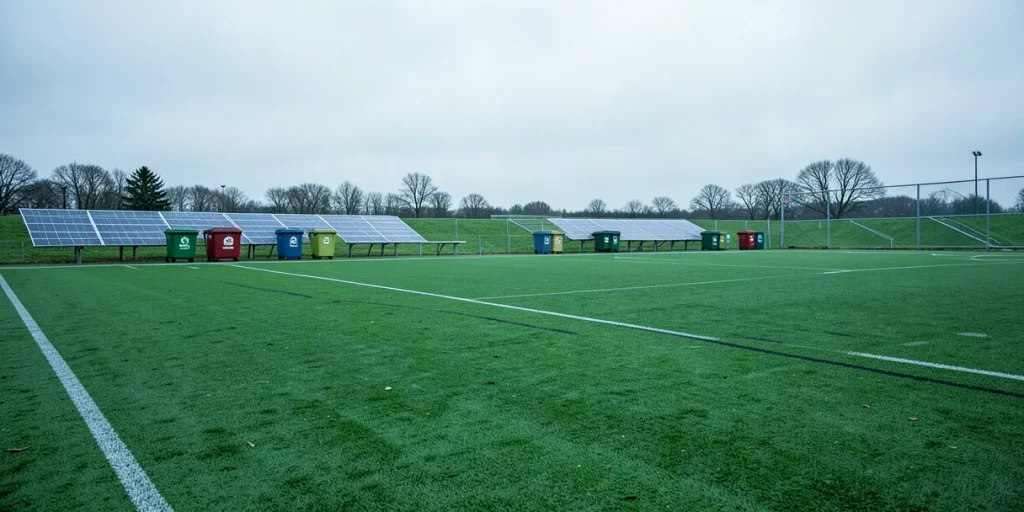
Another important direction is the use of renewable energy sources. Sports organizations strive to integrate solar panels and wind turbines into their infrastructures. Such initiatives not only help reduce carbon emissions but also create a positive image among spectators and participants. For instance, some stadiums already fully meet their energy needs through solar energy, making them more sustainable and environmentally friendly.
Transportation and logistics are also crucial aspects in the fight against the carbon footprint of sporting events. Organizers aim to minimize emissions related to transporting spectators and participants. This is achieved through the implementation of green transport solutions, such as electric buses and carpooling. Additionally, creating convenient routes for cyclists and pedestrians helps reduce the number of cars, which in turn lowers air pollution levels.
Thus, the application of modern technologies and sustainable practices in the sports industry is becoming a necessary step toward environmental responsibility. This not only contributes to environmental conservation but also helps form a new generation of athletes and spectators who recognize the importance of sustainable development and caring for the planet.
Sustainable Practices in Event Organization
Sporting events are increasingly adapting to contemporary requirements for sustainable development, which is manifested in their planning and execution with an emphasis on ecological aspects. Organizers strive to minimize negative impacts on the environment by using eco-friendly materials and technologies. This includes selecting venues that meet sustainability standards, as well as applying energy-saving solutions such as solar panels and rainwater collection systems. It is also important to consider the transportation routes of participants and spectators, optimizing them to reduce carbon footprints.
Waste disposal and recycling systems play a crucial role in ensuring the ecological sustainability of sporting events. Organizers implement waste segregation by placing special containers for plastic, paper, and organic waste. Educational campaigns among participants and spectators aim to raise awareness about the importance of proper disposal, fostering a responsible attitude toward nature. For example, large competitions may organize workshops on recycling, which not only reduces waste but also inspires participants to take active steps in protecting the environment.
Engaging participants in ecological initiatives is becoming an integral part of sporting events. Organizers use various formats, such as environmental campaigns, volunteer projects, and contests on sustainability topics. This not only entertains but also instills a sense of responsibility for the environment among participants. For instance, during marathons, participants could be encouraged to plant trees or clean water bodies, turning sporting events into platforms for active ecological involvement.
Thus, sustainable practices in event organization not only help reduce negative impacts on nature but also foster a deeper understanding in the public about the importance of environmental protection, which in turn leads to the creation of a more responsible society.
Sport as a Platform for Environmental Activism
Sport as a Platform for Environmental Activism
Modern sports subcultures actively influence the increase of ecological awareness among spectators and participants. Athletes and organizations are beginning to realize their role in the fight for a sustainable future, using their popularity to promote eco-friendly practices. The influence of subcultures such as cycling, running, and surfing helps draw attention to ecological issues, fostering a more responsible attitude toward the environment among people.
Examples of successful environmental campaigns in sports are diverse. At the 2026 Olympic Games, organizers plan to implement a number of sustainable practices, including the use of recycled materials for constructing venues and minimizing carbon footprints. Some football clubs have already adopted tree planting and water body cleaning initiatives, demonstrating their readiness for active ecological actions. These campaigns not only raise awareness but also encourage fans to participate in environmental actions.
Athletes are also becoming ambassadors for sustainability, using their platforms to advocate for ecological responsibility. Famous athletes, such as tennis player Naomi Osaka and footballer David Beckham, actively support and participate in environmental initiatives, inspiring youth to follow their example. Their influence extends beyond sporting events and encompasses a wide range of social and environmental issues, helping to shape a new generation of activists.
Thus, sport is becoming not only an arena for competition but also an important tool for promoting ecological values. Each year, more events and athletes recognize their responsibility for the planet’s future, taking steps toward more sustainable development.
Education and Awareness in Sustainable Sports
In recent years, sustainable sports have become an important topic for discussion in education and awareness. Training programs for organizers and participants of sporting events play a key role in shaping ecological awareness. Such programs are aimed at implementing practices that help minimize carbon footprints and effectively use resources. The training covers a wide range of issues—from choosing eco-friendly materials to waste management. Participants gain knowledge on how to organize events with minimal environmental impact and what technologies can be employed to achieve sustainable results.
The role of the media in disseminating information about sustainable sports cannot be underestimated. The media can draw attention to ecological initiatives and share successful examples from organizers’ experiences. This not only informs the public but also inspires other sports organizations to adopt similar practices. Publications, reports, and documentaries can serve as powerful tools for raising awareness about the necessity of sustainable development in sports.
Collaboration with environmental organizations is another important aspect in achieving sustainability in the sports sphere. Such partnerships allow for combined efforts to address ecological problems associated with sporting events. Environmental organizations can provide expert advice, help develop strategies to reduce negative impacts on nature, and offer support in implementing specific initiatives. This collaboration not only enhances the image of sporting events but also creates a platform for active participation by athletes and spectators in ecological actions.
Thus, education and awareness in sustainable sports are vital components in the transition to more eco-friendly practices. They shape a new generation of organizers and participants who recognize their responsibility toward the environment and are ready to implement changes in their spheres of influence.
Examples of Successful Sustainable Sporting Events
Sporting events that strive for sustainability are becoming not only arenas for competition but also platforms for promoting ecological initiatives. Major international events, such as the Olympic Games and World Championships in various sports, showcase successful integration of sustainable practices. For example, at the Tokyo 2021 Olympic Games, organizers used recycled materials for medals and implemented systems for collecting and recycling waste. Such measures not only minimize carbon footprints but also instill in spectators and participants a sense of ecological responsibility.
Local initiatives also play a significant role in enhancing the sustainability of sporting events. Various regions around the world host tournaments that focus on environmental protection. For instance, some cities organize runs where participants can contribute to greening efforts by planting trees or cleaning up litter along the route. These events not only support participants’ health but also strengthen the bond between sports and local communities, fostering an understanding of the importance of caring for ecology.
The success of such initiatives is assessed through various environmental indicators. Key factors include the level of carbon emissions reduction, the amount of recycled materials, and the volumes of resources saved. Organizers strive to set clear goals and metrics that can be measured and analyzed. For example, some events conduct sustainability audits that assess their environmental impact and identify areas for improvement in the future.
Thus, sustainable sporting events become an important tool for influencing public consciousness and fostering ecological responsibility among both participants and spectators.
The Future of Sustainable Sports
Sporting events are becoming increasingly sustainable through the adoption of innovative technologies and eco-friendly materials. In the coming years, this trend is expected to continue gaining momentum, fueled by growing awareness of the importance of environmental protection. Organizers of major sporting events are increasingly committing to reducing carbon footprints, minimizing resource consumption, and implementing sustainable practices. The use of eco-technologies, such as solar panels for energy supply and rainwater harvesting systems, is becoming the norm. This not only reduces negative impacts on nature but also sets an example for spectators and participants.
Technologies significantly influence sustainability in sports. Smart sensors and monitoring systems allow for tracking resource consumption in real-time, helping organizers optimize processes. Virtual platforms are also becoming popular, enabling competitions and training to take place online, thereby reducing the need for travel and lowering carbon footprints. It is important to note that modern technologies not only minimize negative impacts on the environment but also enhance the appeal of events, attracting new audiences and strengthening brand identity.
Society plays a key role in supporting sustainable initiatives in sports. Citizens can participate in ecological actions, support teams and organizations that value sustainable development, and actively promote eco-friendly practices in their daily lives. Sports clubs and associations can also implement programs aimed at educating and engaging youth in ecological issues. This may include:
- Organizing educational events on ecology
- Implementing waste recycling programs at sports facilities
- Creating initiatives for tree planting and ecosystem restoration
Thus, the future of sustainable sports depends on the collaborative efforts of all stakeholders: organizers, athletes, and society as a whole. Only through joint efforts can significant changes occur and make sports more eco-friendly and responsible.
Frequently Asked Questions
Why is sustainability important for sports?
What technologies help reduce the carbon footprint in sports?
How can athletes contribute to ecological initiatives?
Key Takeaways
- Sporting events are striving for ecological sustainability.
- The use of eco-materials and technologies is becoming the norm.
- Sport can be a powerful tool for promoting ecological awareness.
Sources
research-journal.org, fskzvezda.ru, sub-cult.ru, scilead.ru, cyberleninka.ru