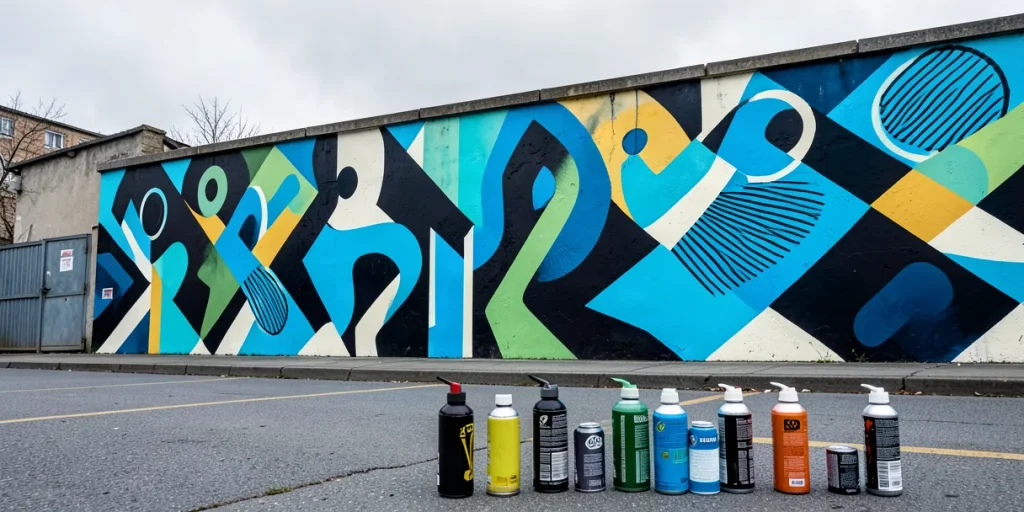
Introduction: What Is Street Art in Russia
Street art in Russia has evolved from underground graffiti in the 1930s into a full-fledged cultural phenomenon that blends painting, sculpture, and performance within urban spaces. Today, it not only decorates city streets but also serves as social commentary and attracts investments and festivals. Its first official recognition came in 2022 with the establishment of the national KARDO Award.
The Origins of Street Art: 1930s–1980s
The earliest forms of street art in the USSR appeared in the 1930s as graffiti and political slogans. However, it did not gain widespread popularity due to strict government control. During the 1960s to 1980s, underground inscriptions and images emerged on city walls, often carrying anti-Soviet or satirical messages.
Influential Factors and Characteristics
- Severe ideological pressure on creativity
- Lack of specialized materials—simple paints and markers were used
- Underground nature leading to anonymity of the artists
During this period, street art was primarily a form of protest and remained hidden, limited to select cities such as Moscow and Leningrad.
The Boom of the 1990s: Freedom and the First Artists
Following the collapse of the USSR and the lifting of censorship in the 1990s, street art gained new momentum. The first organized artist groups and festivals appeared. This era was marked by experimentation with forms and styles, as well as the active use of graffiti as an expression of urban youth culture.
Key Events and Figures
- The emergence of the «Podzemka» group in Moscow and the first graffiti exhibition in 1995
- Widespread use of Montana Gold spray paints costing from 1500 to 2500 rubles per can
- The beginning of street art festivals featuring international masters
2000s: Institutionalization and Broad Recognition
At the start of the 21st century, street art began integrating into the official cultural environment. Museums, galleries, and city projects emerged to support street artists. In 2010, Moscow opened its first museum of contemporary street art, and Saint Petersburg launched a mural legalization program.
Main Achievements
- Legalization of street art within city cultural programs
- Introduction of street art courses in art universities
- Growth in commercial mural commissions costing from 100,000 to 500,000 ₽
| City | Number of Legal Murals | Year Support Began | Average Project Budget, ₽ |
|---|---|---|---|
| Moscow | 120 | 2010 | 350,000 |
| Saint Petersburg | 85 | 2012 | 280,000 |
| Yekaterinburg | 40 | 2015 | 150,000 |
Contemporary Stage: Culture, Business, and Society
By the mid-2020s, street art in Russia had become a widespread cultural practice encompassing social projects, corporate commissions, and international festivals. The KARDO Award, established in 2022, became the first national recognition of achievements by artists and organizers in street art and sport.
Current Trends and Directions
- Growing integration of street art into urban planning and beautification
- Use of digital technologies and projection mapping
- Focus on social themes: ecology, human rights, history
Technical and Artistic Features
Contemporary street artists actively use professional spray paints such as Montana Black and Ironlak, as well as airbrushing and sculptural elements. Advances in materials and technology have significantly improved the quality and durability of works, enabling large formats and complex compositions.
Main Criteria for Choosing Materials
- Weather resistance (up to 10 years without restoration)
- Eco-friendliness — use of water-based paints
- Cost — from 1000 to 3000 rubles per can
Frequently Asked Questions
When did street art first appear in Russia?
What is the KARDO Award?
Which cities lead in street art development?
What materials do modern street artists use?
Key Takeaways
- Street art in Russia has deep historical roots dating back to the 1930s.
- The 1990s marked a turning point with the widespread emergence of graffiti.
- In the 21st century, street art gained official recognition and support from city authorities.
- The KARDO Award symbolizes the institutionalization of street culture.
- Modern technologies and materials allow the creation of durable and complex artworks.
Conclusion
The history of street art in Russia is a story of gradual transition from illegal, underground creativity to a recognized and supported cultural practice. In the 21st century, street art has become an integral part of urban life, bringing together artists, business, and society. Amid growing interest and institutionalization, the future of Russian street art promises to be bright and diverse.
Sources
- Comfy Blog — «Street Art: History of Development and Best Examples of Street Art»
- stoneforest.ru — «KARDO Award 2022 for Contribution to the Development of Street Art and Sport»
- scinetwork.ru — «Scientific Article: Tango in Russia: History of Appearance and Development (2024) (read, download)»
- Article — «Teambuilding: History of Appearance and Development in Russia»
- SMP Karting — «History of the Appearance and Development of Karting in Russia»