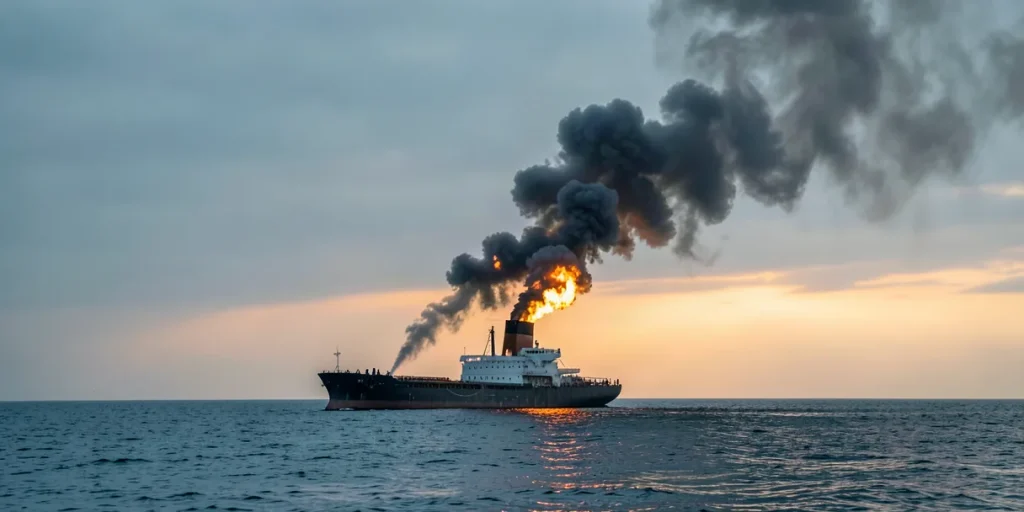
Tragedy on the MV June Aster Ferry
A fire broke out on the MV June Aster ferry off the coast of the Philippines on September 9, around 6:45 p.m. local time. The vessel had departed Manila and was sailing near the city of Coron in Palawan province when the blaze erupted. There were 134 people on board — 117 passengers and 17 crew members.
According to official figures, 76 people perished in the fire. Remains of 41 victims were recovered during the search and rescue operation, increasing the death toll from 35 to 76. Forty-three people were rescued, while the fate of 13 remains unknown.
Search and Rescue Operation
The Philippine Coast Guard is leading the search and rescue efforts aimed at locating and saving any remaining passengers aboard. The operation began immediately after the fire was reported and has been ongoing for several days. It involves local agencies, the military, as well as rescue vessels and helicopters.
The complexity of the operation stems from the fire occurring in open sea waters and the limited time available to save people, given the intensity of the blaze and the possibility of the ferry sinking. Searches are conducted within a radius of several dozen kilometers from the incident site to find those still missing.
Causes and Preliminary Theories
Initial investigations focus on potential fire safety violations aboard the vessel. Philippine authorities plan to examine the technical condition of the MV June Aster ferry, as well as verify compliance with passenger and cargo transport regulations. The ferry was registered and operated in accordance with local laws.
Officials are also considering the possibility of electrical equipment malfunction or breaches of fire safety rules by passengers and crew. Final conclusions will be based on the official investigation results, expected to be completed in the coming weeks.
Impact on the Palawan Tourist Region
The ferry operated in the popular tourist region of Palawan, known for its natural attractions and seaside resorts. The incident has drawn attention to maritime safety concerns in the area, especially given the large number of tourists who rely on ferry services.
Local authorities and tourism companies have already announced plans to review passenger safety measures and enhance inspections of vessel conditions. Potential declines in tourist traffic could be significant in the coming months if additional safety measures are not implemented.
Public Reaction and Next Steps
Families of the deceased and missing have received support from Philippine authorities, including compensation and psychological assistance. Government agencies have called for increased vigilance regarding maritime transport safety. Authorities have also promised to strengthen inspections and tighten regulations governing passenger ship operations.
An official report on the incident is expected to be published in the coming weeks, outlining the fire’s causes and recommending measures to prevent similar tragedies in the future. International maritime safety organizations are also showing interest in the investigation.
Conclusion
The fire on the MV June Aster ferry stands as one of the deadliest maritime disasters in the Philippines in 2026, claiming over 70 lives and underscoring the critical need for strict adherence to safety protocols on passenger vessels.
Sources
- aa.com.tr — “Fire on Philippine Ferry: 5 Dead, 87 Missing”
- ru.euronews.com — “Video. Philippines: Ferry Fire Causes Fatalities”