Updated: August 28, 2026
A new cultural tourist route is launching in Russia, promising to be a true discovery for lovers of history and culture. This route will connect unique places that hold the rich heritage of our country, allowing travelers to immerse themselves in the atmosphere of the past and better understand the cultural traditions of different regions.
The new route has been developed with the interests of both locals and foreign tourists in mind. It includes not only famous landmarks but also lesser-known yet equally significant sites that will tell the multifaceted history of Russia. Participants will be able to enjoy picturesque landscapes as well as get acquainted with local cuisine and crafts, making their journey truly unforgettable.
Introduction to Cultural Tourism
Cultural tourism presents a unique opportunity for travelers to immerse themselves in the history and culture of a country, exploring its heritage through architectural monuments, museums, and historical sites. In Russia, which boasts a rich cultural heritage, this type of tourism is becoming increasingly popular. Cultural routes help not only attract tourists but also contribute to the preservation of historical heritage, which is particularly important in the context of globalization and rapid urban change.
Current trends in tourism in Russia show that more and more people are interested not only in vacations at resorts but also in a deep immersion in culture. In recent years, new tourist routes have begun to develop, such as the “Imperial Route” and “Museum Routes,” which focus on significant historical and cultural sites. These routes attract the attention of both locals and foreign tourists eager to learn more about Russian history and culture.
Cultural routes play a key role in preserving historical heritage. They not only promote monuments and museums but also create conditions for their protection and restoration. For example, the “Imperial Route” connects places associated with the Romanov dynasty, allowing for the restoration of historical memory and generating interest in lesser-known yet significant sites. It is important to note that such routes often include natural attractions, creating a comprehensive perception of the cultural context.
Thus, cultural tourism in Russia is not just a way to spend time; it is an opportunity to understand the country, its history, and traditions more deeply. The development of new routes and an emphasis on cultural heritage open new horizons for travel and contribute to strengthening national identity, which in turn makes cultural tourism an important element not only for the economy but also for society as a whole.
The Imperial Route: A Connection to History
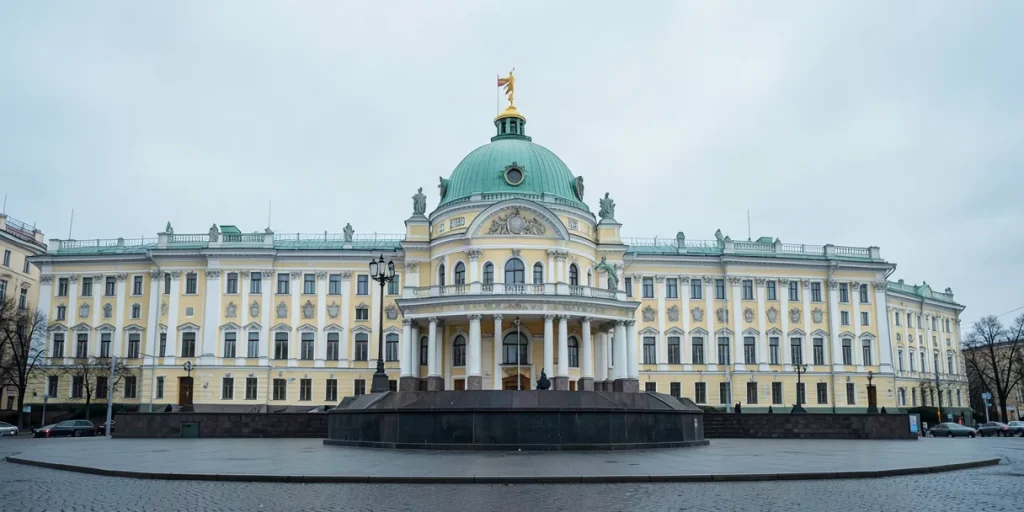
The Imperial Route offers a unique opportunity for tourists to immerse themselves in the rich history of Russia and learn more about the Romanov dynasty. It connects key locations related to the life and activities of the royal family, as well as significant historical events that have left their mark on the cultural heritage of the country. One of the first stops on the route will be St. Petersburg, where tourists will be able to see the Winter Palace and other architectural masterpieces that witnessed the lives of emperors. The route then passes through significant cities such as Tsarskoye Selo, Pushkin, and Gatchina, where magnificent palaces and parks created for the royal family are located.
Each location on the Imperial Route not only attracts attention with its architectural beauty but also possesses deep historical significance. For example, the Catherine Palace in Tsarskoye Selo, known for its luxurious Amber Room, embodies the grandeur and ambitions of the Russian monarchy. The Gatchina Palace, in turn, is connected to the personal life of Emperor Paul I and his quest for solitude and harmony with nature. Visiting these historical sites will help tourists better understand the cultural and social aspects of life in Russia during different eras.
Moreover, the Imperial Route plays an important role in the development of the local economy. Attracting tourists creates new jobs and contributes to the growth of related sectors such as hospitality, restaurants, and souvenir trading. Local residents have the opportunity to share their culture and traditions with visitors, fostering social connections and improving the quality of life in regions. Participation in this project also emphasizes the importance of preserving cultural heritage and stimulates investments in the restoration of historical sites.
Thus, the Imperial Route not only offers unique travel opportunities but also fosters a deeper understanding of historical events and the development of the regions through which it passes.
Museum Routes: A New Approach to Excursions
A new cultural tourist route called “Museum Routes of Russia” has been launched, aimed at popularizing the historical and cultural heritage of the country. The goal of the project is to create convenient and accessible routes that connect key museums and monuments, facilitating a better understanding and study of Russia’s multifaceted history. This project not only promotes domestic tourism but also helps preserve cultural values that are an essential part of national identity.
The project includes numerous museums, carefully selected for their significance and uniqueness. Among the popular sites included in the routes are the State Hermitage in St. Petersburg, the Tretyakov Gallery in Moscow, as well as museums located in historical cities such as Kazan, Nizhny Novgorod, and Smolensk. These routes offer both traditional excursions and new formats such as interactive exhibitions and themed programs, making museum visits more engaging and informative.
Furthermore, “Museum Routes of Russia” aim to improve access to cultural heritage for various groups of the population. The project not only envisions infrastructure development but also the implementation of educational programs that will help people better understand the value of historical monuments and works of art. This is especially important for young people, as they will be the custodians of cultural heritage in the future. As a result, the project creates a platform for dialogue between generations and fosters interest in the country’s history and culture.
Thus, “Museum Routes of Russia” represent not just excursion programs but also an important step towards preserving and popularizing cultural heritage, which will undoubtedly have a positive impact on the development of tourism in Russia as a whole.
Regional Participation: Examples of Successful Initiatives
New cultural tourist routes are actively developing in Russia, which not only attract tourists but also help regions unlock their potential. One bright example is the Kaluga region, where the “Museum Routes of Russia” project was launched. This project is aimed at popularizing local cultural heritage and creating comfortable conditions for tourists. As part of the initiative, outreach presentations and expert-methodological events are held, enabling local authorities and tourism organizations to establish effective cooperation.
Other regions are also joining the new cultural routes. For example, the Arkhangelsk region has joined the “Imperial Route” project, which connects places associated with the history of the Romanov dynasty. This collaboration between local authorities and tourism organizations allows for not only the preservation of cultural heritage but also the development of a new segment of the tourism market. Officials emphasize the importance of creating unique offerings for travelers that will be appealing to both local residents and guests.
Successful initiatives can also be seen in other parts of Russia. In the Tula region, for instance, routes dedicated to weapon-making and traditional crafts are actively developing. Exhibitions and workshops have been created here to introduce tourists to local culture and history. In Pskov, routes are being formed that encompass historical monuments, many of which are under UNESCO protection.
An important aspect of these initiatives is cooperation among various participants in the process. Local authorities, cultural organizations, and travel agencies work hand in hand, which contributes to the creation of a quality tourist product. This approach not only increases interest in the regions but also promotes their economic development, creating new jobs and attracting investments.
Thus, new cultural routes in Russia are becoming not only a means to attract tourists but also a platform for interaction between regions, which in turn contributes to the preservation of cultural heritage and the development of tourism infrastructure.
Cultural Heritage and Its Preservation
The cultural heritage of Russia is a priceless treasure that connects us with the past and shapes the identity of the nation. Preserving historical monuments is crucial for future generations, as they are the bearers of culture, traditions, and the uniqueness of our people. Each monument is not just a stone or a building but a part of history that helps us understand how the country has developed and what events and personalities have shaped its appearance. In the context of globalization and rapid progress, it is essential to remember the need for careful treatment of heritage to preserve it for future generations.
New cultural tourist routes, such as the “Imperial Route” and “Museum Routes of Russia,” play an important role in the process of preserving cultural heritage. They not only attract tourists but also help popularize knowledge about significant historical sites. Such routes allow for a deeper acquaintance with history, architecture, and cultural traditions, and create conditions for financing and supporting restoration works. Attracting attention to monuments through tourism helps shape public opinion about the importance of their preservation and rekindles interest in culture.
Nevertheless, preserving cultural heritage faces a number of problems and challenges. One of them is the lack of funding necessary for the restoration and maintenance of monuments in proper condition. Additionally, many sites are subject to destruction due to natural factors as well as human activities. It is important not only to develop new routes but also to ensure the protection of existing monuments by conducting regular monitoring of their condition and involving local communities in the process.
Thus, the development of cultural tourism in Russia is not just a means of attracting tourists but also an important step towards preserving our historical heritage. It is vital for each of us to recognize our responsibility for maintaining cultural values and actively participate in this process.
Promotion and Marketing of Cultural Tourism
To successfully promote new cultural tourist routes in Russia, such as the “Imperial Route” and “Museum Routes,” well-thought-out marketing strategies are essential. The primary focus should be on the uniqueness and richness of the cultural heritage that is revealed to tourists. Strategies may include creating themed events, exhibitions, and festivals that will attract the attention of both locals and foreign guests. It is important to engage in partnerships with local museums and cultural institutions to create comprehensive service packages that include excursions, workshops, and interactive programs.
Social media and online platforms play a key role in attracting visitors. Platforms like Instagram, Facebook, and TikTok allow for sharing vibrant visual materials that can instantly interest potential tourists. Using video content that showcases not only the attractions but also the atmosphere of the locations can significantly enhance interest in the routes. It is also worth focusing on creating blogs and articles that will discuss cultural features and historical facts, emphasizing travelers’ personal experiences.
Successful advertising campaigns can include collaboration with popular bloggers and influencers who will share their experiences traveling along the new routes. For example, creating special promotions or contests where participants can win free trips or excursions can be an excellent way to boost interest. Additionally, targeted advertising on social media should be utilized, focusing it on an audience interested in cultural tourism.
In conclusion, to promote cultural tourism in Russia, it is essential to integrate modern technologies and creative approaches. This will not only draw attention to the new routes but also create a positive image of the country as an attractive destination for cultural travel.
The Future of Cultural Tourism in Russia
Cultural tourism in Russia is experiencing active development, opening new horizons for attracting tourists and preserving cultural heritage. In 2026, new routes such as the “Imperial Route” and “Museum Routes” have been launched, focusing on historical and cultural landmarks, including sites listed as UNESCO World Heritage Sites. These initiatives are aimed not only at developing domestic tourism but also at attracting international guests, which will undoubtedly contribute to the exchange of cultural values and strengthen Russia’s position on the global tourism map.
Modern technologies play a key role in changing the approach to excursions. Virtual reality and augmented reality could become an integral part of the tourist experience, allowing visitors to see historical events in an interactive format. For instance, using mobile applications that provide real-time information about monuments or audio guides that tailor tours to individual tourist preferences significantly increases engagement and interest in cultural heritage. Such solutions not only enrich excursion routes but also make them more accessible to a broad audience.
The prospects for engaging with the international tourism community also look promising. With an increase in cultural exchanges and joint projects, Russia can strengthen its position as an attractive destination for cultural tourism. Participation in international exhibitions and fairs, as well as collaboration with foreign tour operators and cultural institutions, will create additional opportunities for promoting Russian routes abroad.
Key trends include:
- Development of unique thematic routes based on local cultural characteristics.
- Integration of technologies into excursion services to enhance service quality.
- Increasing number of joint projects with foreign partners.
- Expansion of programs supporting local cultural initiatives and events.
Thus, the future of cultural tourism in Russia looks promising, and considering modern trends, it can be expected to develop dynamically, attracting an increasing number of tourists and contributing to the preservation of cultural heritage.
Conclusion
New cultural tourist routes, such as the “Imperial Route” and “Museum Routes,” open unique opportunities for discovering the rich historical heritage of Russia. These initiatives not only promote domestic tourism but also help preserve the cultural values of our country. Such projects become an important step towards rekindling interest in historical monuments that tell the story of Russia’s glorious past and cultural diversity.
Engaging local residents in the development and promotion of these routes is very important. They can become not only guides for tourists but also active participants in the cultural life of their regions. We encourage everyone who values their history to participate in these projects: whether through volunteering, organizing events, or simply taking part in excursions. This approach will not only strengthen the connection between generations but also create conditions for the sustainable development of cultural tourism.
An optimistic view of the future of cultural tourism in Russia is supported by the growing interest in new routes. We observe how regions begin to realize their value as tourist destinations, which in turn leads to the improvement of infrastructure and the creation of new jobs. Each year, more people discover the history of their country, which is certainly encouraging. It is important to continue developing cultural initiatives and support dialogue between the government, business, and society to achieve common goals.
Thus, new cultural routes in Russia not only open new horizons for tourists but also make a significant contribution to the preservation of our heritage. Let us take a step together towards cultural exchange and opening new pages in the history of our country!
Frequently Asked Questions
What is the Imperial Route?
What are the goals of the ‘Museum Routes of Russia’ project?
Which regions participate in the new cultural tourism?
Key Takeaways
- Cultural routes contribute to the development of domestic tourism.
- The Imperial Route connects important historical sites.
- Museum Routes help preserve cultural heritage.
Sources
Komersant St. Petersburg, historyrussia.org, espo-fond.ru, economy.gov.ru, tutu.ru