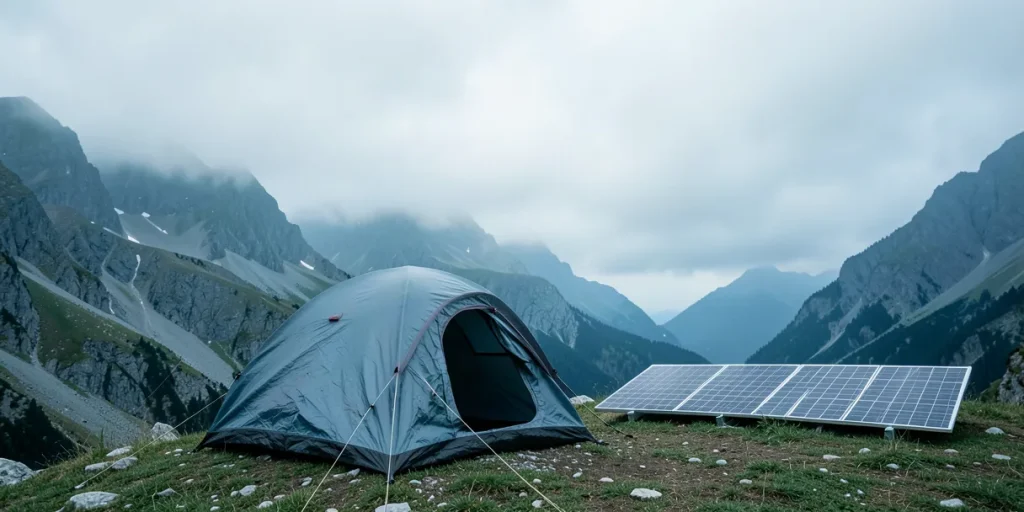
Ecotourism is a way to travel while minimizing negative impacts on nature and supporting the preservation of ecosystems. The main goal of this type of tourism is to combine relaxation with a responsible attitude toward the environment and local communities.
The features of ecotourism involve choosing routes and activities that do not disrupt the natural balance, using eco-friendly means of transportation and accommodation, as well as respecting the culture and traditions of the regions. This approach helps tourists not only enjoy the beauty of nature but also participate in its protection.
Traveling with care for nature means consciously avoiding mass tourism and excessive exploitation of natural resources. Ecotourism offers a unique opportunity to get to know the world around us more deeply, preserving it for future generations and supporting sustainable development of territories.
| Type of transport | CO₂ emissions (kg) | Average speed (km/h) | Average ticket cost (₽) |
|---|---|---|---|
| Train | 15–30 | 90–120 | 800–1500 |
| Car (gasoline) | 60–80 | 60–80 | 3000–5000 (fuel) |
| Electric car (Tesla Model 3) | 30–40 | 120–150 | from 10000 (charging) |
| Airplane | 90 | 700–900 | 3500–7000 |
- 30% water and energy savings at Green Key eco-hotels
- 3500 ₽ starting price per night at a Russian eco-hotel
- 90 kg CO₂ average CO₂ emissions per 100 km per air passenger
- 3–4 times less CO₂ emissions from trains compared to cars
- 1 million ₽ maximum subsidy amount for eco-enterprises in Russia
What Is Ecotourism and Which International Standards Govern It?
Definition and Standards
Ecotourism is a form of sustainable tourism that minimizes negative impacts on the natural environment and cultural heritage while supporting local communities and promoting their development. The international standard regulating ecotourism is the GSTC (Global Sustainable Tourism Council), introduced in 2016, which includes more than 30 mandatory criteria. Among these are reducing carbon footprints, rational resource use, and supporting local economies.
In Russia, ecotourism develops according to the national standard GOST R 58990-2020, which sets requirements for the environmental safety of tourism services. This standard regulates permissible noise and waste levels in tourist areas and methods for biodiversity protection. GSTC certification mandates a minimum 15% annual reduction in carbon footprint and requires support for local communities through programs involving at least 30% of regional residents. Such standards help make travel more responsible and environmentally sustainable.
How to Choose an Eco-Hotel and What to Consider When Booking?
Selection Criteria
When choosing an eco-hotel, pay attention to the Green Key certification, which guarantees up to 30% savings in water and electricity. It is also important to check whether the hotel uses a waste sorting system and biodegradable cleaning and maintenance products. Supporting local environmental initiatives and minimizing plastic packaging also indicate care for the environment.
- Green Key certification — confirms effective energy and water savings up to 30%
- Waste sorting — availability of separate garbage collection systems
- Biodegradable products — replacing chemical cleaning agents with eco-friendly alternatives
- Plastic minimization — reducing use of single-use plastic packaging
- Support for local environmental projects — hotel participation in conservation initiatives
Examples of Eco-Hotels
In Russia, the average cost of a night in a certified eco-hotel starts from 3500 ₽. For example, the «Green Dacha» hotel in Karelia offers quality eco-friendly recreation with attention to sustainable development. This choice allows travelers not only to relax comfortably but also to contribute to nature conservation.
Which Types of Transport Are Better for Eco-Friendly Travel?
Eco-Friendly Alternatives
To minimize carbon footprints when traveling, it is preferable to use rail transport and electric cars. According to studies, railways in Russia emit 3–4 times less CO₂ per passenger-kilometer than cars. For example, the Tesla Model 3 electric car reduces CO₂ emissions by approximately 50% compared to gasoline vehicles, making it a sensible choice for short and medium distances.
Domestic flights in Russia can often be replaced by train travel, which reduces the carbon footprint of the trip by 40–60%. This approach is especially relevant for routes up to 1000 km, where train travel takes comparable time but causes less environmental harm.
Transport Comparison
- Rail transport: CO₂ emissions are 3–4 times lower per passenger-kilometer than cars;
- Electric cars (Tesla Model 3): about 50% lower CO₂ emissions compared to gasoline cars;
- Internal combustion engine cars: standard CO₂ emissions, significantly higher than electric cars and trains;
- Air travel: around 90 kg CO₂ per 100 km per passenger, the highest pollution level among transport types;
- Train instead of plane: reduces carbon footprint by 40–60% on domestic flights.
How to Minimize Waste and Pollution When Traveling in Nature?
Specific Measures
Minimizing waste and pollution in nature can be achieved by following the «leave no trace» principles and using eco-friendly cooking and water storage methods. For example, using reusable bottles reduces plastic waste: a 1-liter Nalgene bottle helps cut plastic waste by 300–500 grams over a week of travel. It is important to avoid products containing phosphates and harsh chemicals that damage aquatic ecosystems.
Using portable gas stoves with low emissions, such as the MSR PocketRocket 2, can save up to 20% of fuel, reducing carbon footprints and air pollution. It is also essential to carefully collect and remove all trash, including biodegradable waste, to maintain ecosystem balance.
Recommended Products
- Nalgene 1-liter bottle — durable, reusable container that reduces plastic waste by hundreds of grams per week.
- MSR PocketRocket 2 gas stove — lightweight, efficient model that lowers fuel consumption by 20% compared to standard burners.
- Phosphate-free biodegradable cleaning agents — safe for aquatic habitats, suitable for washing dishes and personal hygiene in the field.
What Are Common Mistakes Eco-Tourists Make and How to Avoid Them?
Typical Mistakes
Eco-tourists often choose airplanes for short trips under 500 km, although trains or buses significantly reduce the carbon footprint. In Russia, about 30% of tourists do not sort their garbage, increasing landfill loads and complicating recycling. Additionally, buying souvenirs made from rare wood species or fur violates conservation regulations. Finally, many use single-use plastic bags and disposable tableware instead of reusable ones, generating unnecessary waste that could be reduced.
How to Avoid Them
- For trips up to 500 km, choose train or bus: train tickets cost on average from 800 to 1500 rubles, often cheaper and more eco-friendly than flying.
- Sort your waste according to Russian standards: separate plastic, paper, and organic waste to reduce landfill burden and aid recycling.
- Avoid souvenirs made from prohibited materials; choose products made from certified wood or natural fabrics compliant with GOST.
- Use reusable bottles and containers, for example, CamelBak models priced from 1500 rubles, to cut down on disposable plastic consumption.
What Legislative Measures in Russia Promote Ecotourism Development?
Legislation
In Russia, ecotourism development is encouraged by Federal Law No. 187-FZ dated July 27, 2010, which regulates environmental protection during tourism activities, establishing legal frameworks for environmentally responsible tourism. Since 2025, an ecological fee has been introduced in tourist regions aimed at reducing pressure on natural sites and supporting conservation efforts.
Government Programs
- The Ministry of Natural Resources’ «Green Tourism» program provides subsidies up to 1 million rubles to small businesses developing eco-tourism, promoting infrastructure expansion and service quality improvement.
- The national «Ecology» project supports the creation and development of eco-route infrastructure and organizes environmental education for the public, fostering a sustainable tourism environment.
Frequently Asked Questions
Can any accommodation near nature be considered an eco-hotel?
Which transport is best for a trip from Moscow to Saint Petersburg from an ecological perspective?
Is it acceptable to use disposable tableware during hikes in protected areas?
How to verify if a travel company follows ecotourism principles?
Key Takeaways
- Choose eco-hotels with official Green Key or GOST R 58990-2020 certification
- Prefer trains or electric cars over airplanes to reduce CO₂ emissions
- Use reusable bottles and tableware to minimize waste
- Follow «leave no trace» principles to preserve natural areas
- Stay informed about legislative initiatives and support programs for ecotourism in Russia