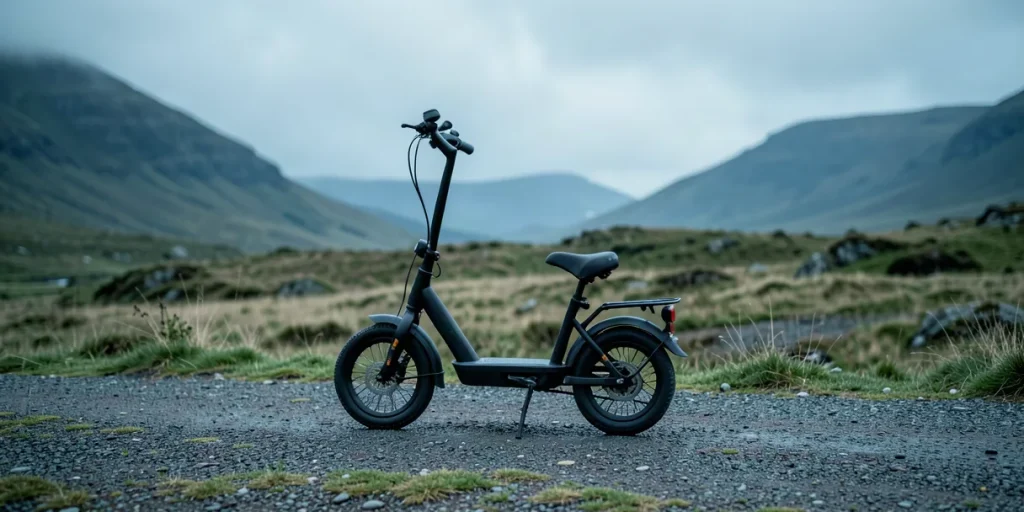
Eco-friendly ways to travel without harming nature include choosing low-emission transportation, minimizing single-use plastics, and practicing mindful resource use during trips. These methods help preserve the environment and support sustainable tourism development.
Travel remains an important part of many people’s lives, but its environmental impact is becoming increasingly noticeable. That’s why more travelers are seeking eco-friendly ways to explore new places without damaging ecosystems or the climate.
In this article, we review practical recommendations and modern technologies that reduce the ecological footprint during travel, as well as introduce the principles of responsible tourism that help preserve the planet’s natural wealth.
| Transport | CO₂ Emissions (g/passenger-km) | Rental Cost/km | Note |
|---|---|---|---|
| Airplane | 70 | from 3 to 10 ₽/km | High emissions, fast delivery |
| Train | 14 | from 1 to 3 ₽/km | Low emissions, limited route network |
| Electric car (Tesla Model 3) | about 35 | from 4.5 million ₽ (purchase) | Low emissions when charged with renewable energy |
| Electric scooter | about 10 | from 50 ₽ per 30 minutes | Ideal for short urban trips |
- 70 g CO₂ per passenger-kilometer CO₂ emissions for air travel
- 14 g CO₂ per passenger-kilometer CO₂ emissions for rail transport
- 500 km Tesla Model 3 driving range on a single charge
- 20–30% Resource consumption reduction in Green Key certified hotels
How can you reduce your carbon footprint when choosing travel transportation?
Electric Cars vs. Traditional Vehicles
Using electric vehicles like the Tesla Model 3 can reduce the carbon footprint by about 50% compared to mid-range gasoline cars over approximately 100,000 km. The Tesla Model 3 costs start at around 4.5 million rubles in Russia, making it an eco-friendly alternative for long-distance car trips.
Additionally, for short city trips, renting electric scooters—such as those offered by Velobike in Moscow—starts at 50 rubles per 30 minutes, significantly cutting down on personal car use and lowering greenhouse gas emissions.
Rail Transport as an Alternative
Rail travel in Russia produces about 14 g CO₂ per passenger-kilometer, nearly five times less than air travel, which emits around 70 g CO₂ per passenger-kilometer. This makes train journeys a greener choice for long-distance travel.
- The Tesla Model 3 electric car reduces CO₂ emissions by 50% over 100,000 km;
- Velobike electric scooter rentals cost from 50 rubles per 30 minutes;
- Rail transport generates about 14 g CO₂ per passenger-kilometer;
- Air travel produces around 70 g CO₂ per passenger-kilometer.
What technologies help make air travel more eco-friendly?
Modern technologies such as Sustainable Aviation Fuel (SAF) and the development of electric aircraft significantly reduce the ecological footprint of flying. SAF can cut CO₂ emissions by up to 80% compared to conventional jet fuel, while electric planes like Airbus’s ZEROe aim to completely eliminate carbon emissions by 2035.
Since 2024, Finnair has been using SAF on regular flights, marking one of the first large-scale adoptions of eco-fuel in passenger aviation. The ZEROe project envisions carrying up to 100 passengers over distances up to 1000 km without fossil fuels, promising a substantial reduction in aviation’s carbon footprint.
Additional Emission-Reduction Measures
- The Atmosfair offset program allows passengers to invest $10 to $50 per flight in forest restoration projects to compensate for carbon emissions.
- Using SAF reduces CO₂ emissions by up to 80% compared to traditional kerosene.
What are alternatives to hotels for eco-conscious travelers?
Eco-Friendly Standards in the Hotel Industry
For eco-conscious travelers, eco-hotels certified by the international Green Key standard offer an alternative to traditional hotels by reducing water and electricity consumption by 20–30%. These hotels employ energy-efficient technologies and waste separation systems, significantly lowering their environmental impact.
Alternative Accommodation Options
Rental platforms like Airbnb offer over 15,000 eco-friendly apartments and homes equipped with energy-saving appliances and waste recycling systems. Additionally, since 2023, campgrounds and glamping sites in Russia have been developing rapidly, using solar panels and biodegradable materials. Staying in these locations costs between 1500 and 4000 rubles per night, making them both affordable and environmentally friendly options for travelers.
- Green Key: reduces resource consumption by 20–30%
- Airbnb: over 15,000 eco-friendly properties with energy-efficient technologies
- Campgrounds and glamping sites in Russia (since 2023): accommodation from 1500 to 4000 ₽ per night
When do eco-friendly travel methods face limitations and what should you consider?
Technical Limitations
Eco-friendly travel methods are often limited by the technical capabilities of transport and infrastructure. For example, electric cars like the Tesla Model 3 have a driving range of about 500 km, requiring careful route planning with charging stations in mind. This is especially relevant for long trips, where charging can take from 30 minutes to several hours. Also, while SAF significantly lowers aviation’s carbon footprint, it is not yet widely available across all airlines and routes, limiting its use.
Economic and Logistical Factors
The cost of eco-friendly solutions is often higher than traditional ones, influencing travelers’ choices. For instance, SAF costs approximately 50–70% more than conventional jet fuel, which affects ticket prices. Moreover, eco-certified hotels may be located far from tourist centers, increasing emissions from travel to and from these locations. When planning, consider:
- Tesla Model 3’s driving range of about 500 km;
- Higher cost of SAF—50–70% above kerosene;
- Electric car charging times—from 30 minutes to several hours;
- Eco-hotel locations often more than 10 km from city centers.
What specific steps can travelers take to reduce their carbon footprint?
Choosing Transportation
Travelers can significantly reduce their carbon footprint by opting for trains on trips up to 800 km instead of planes—cutting CO₂ emissions by roughly 4–5 times. In cities like Moscow, using electric carsharing services, such as BelkaCar with rates starting at 8 rubles per minute, helps minimize air pollution and greenhouse gas emissions.
- Rail routes up to 800 km reduce CO₂ emissions 4–5 times compared to flights;
- BelkaCar electric carsharing available in Moscow from 8 rubles per minute;
Emissions Compensation
For travelers who cannot avoid flying, offsetting carbon emissions through platforms like «My Carbon» or international environmental programs is an effective step. Minimum contributions start at about 500 rubles per flight, funding forest restoration and renewable energy projects to balance out one’s carbon footprint.
- «My Carbon» platform—minimum contribution from 500 rubles per flight;
- International offset programs supporting forest restoration and renewable energy;
Frequently Asked Questions
How much CO₂ does a 1000 km flight emit?
What are the emission savings of a Tesla Model 3 compared to a gasoline car?
What is the Green Key standard for hotels?
Is it possible to fully offset the carbon footprint of a trip?
Key Takeaways
- Electric cars and trains significantly reduce transportation carbon footprints
- Biofuels and electric planes represent the future of eco-friendly aviation
- Certified eco-hotels cut resource consumption by 20–30%
- Route planning should consider electric vehicle limits and biofuel availability
- Emissions offsetting is an easy way to make travel greener