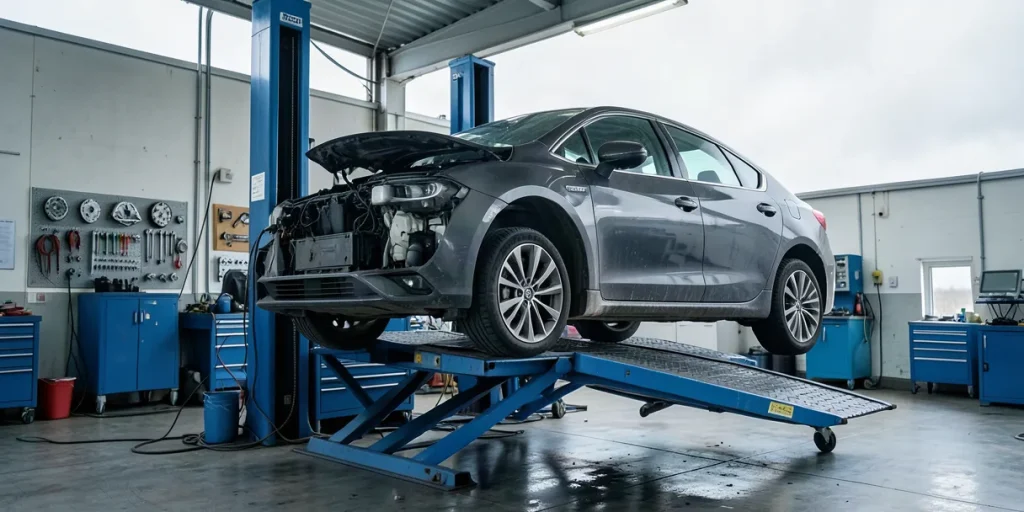
Regular car maintenance (servicing) directly extends the vehicle’s lifespan through timely diagnostics, replacement of worn parts, and keeping the engine and other systems in working order. This prevents serious breakdowns and reduces wear on the car’s key components.
Every car owner faces the question of how to keep their vehicle in good condition for many years. Regular servicing is not just a formality or a way to comply with warranty terms, but a crucial part of caring for the vehicle. It allows early detection of malfunctions, optimizes engine and system performance, and ensures driving safety.
In this article, we will take a detailed look at why regular maintenance extends a car’s lifespan, what procedures are included in scheduled servicing, and how they affect the vehicle’s durability. Understanding these aspects helps owners save on repairs and enjoy comfortable use of their car for many years.
| Type of Service | Interval (km) | Average Cost (₽) | Risks if Skipped |
|---|---|---|---|
| Scheduled Maintenance | 10,000 | 5,000–15,000 | Increased wear, reduced safety |
| Major Engine Overhaul | 100,000+ | from 100,000 | Complete part replacement, high cost |
| Brake Pad Replacement | 15,000–30,000 | 3,000–8,000 | Loss of braking efficiency |
- 10,000 km recommended interval for engine oil change
- 5,000–15,000 ₽ average cost of scheduled maintenance at dealers
- 30% reduction in likelihood of major repairs with scheduled maintenance
- 1.6 mm minimum legal tread depth for tires
How Does Regular Maintenance Prevent Major Breakdowns?
Regular maintenance prevents major breakdowns by timely replacement of worn parts and monitoring key vehicle systems, reducing the risk of sudden failures and costly repairs. For example, changing engine oil every 10,000 km significantly decreases engine wear, preventing piston seizure.
Key Maintenance Procedures to Prevent Breakdowns
- Engine oil change: every 10,000 km or once a year to reduce friction and wear on the cylinder-piston group.
- Brake pads and discs inspection: every 15,000 km to ensure effective braking and reduce the risk of brake system failure.
- Cooling system flush: every 2 years or 40,000 km to prevent overheating and engine damage.
- Air filter replacement: every 20,000 km to improve air intake and reduce engine load.
- Battery and electrical system diagnostics: at least once a year to avoid starting failures and electronics malfunctions.
Performing these procedures at specialized services, such as official dealers or certified centers, helps avoid unexpected breakdowns and extends the vehicle’s lifespan, reducing long-term repair costs and improving road safety.
Why Does Regular Maintenance Save Car Owners Money?
Financial Benefits of Scheduled Servicing
Regular car maintenance saves money because scheduled service at an official dealer ranges from 5,000 to 15,000 rubles, whereas engine repair after overheating can exceed 100,000 rubles. Timely replacement of filters and fluids reduces fuel consumption by 5–7%, saving up to 10,000 rubles annually.
Moreover, preventive maintenance significantly lowers the chance of serious and costly repairs — according to MultiBrand Auto (2026), comprehensive servicing reduces the risk of major breakdowns by 30%. Thus, regular visits to service centers not only keep the car in good condition but also minimize financial losses from unexpected failures.
- Cost of scheduled maintenance: 5,000–15,000 rubles at official dealers;
- Engine repair after overheating: over 100,000 rubles;
- Fuel savings with filter and fluid replacements: 5–7%, up to 10,000 rubles per year;
- 30% lower risk of major repairs thanks to preventive care (MultiBrand Auto, 2026).
Which Specific Car Components Require Checks During Scheduled Maintenance?
During scheduled maintenance, it is mandatory to check the tires, battery, and suspension, as these directly impact the vehicle’s safety and durability. For example, tire tread depth must not be less than 1.6 mm, and battery diagnostics are especially important before winter to prevent starting problems.
Main Components for Inspection
- Tires: check pressure and tread depth (minimum 1.6 mm) every 10,000 km, in accordance with GOST R 41.40-2026;
- Battery and charging system: diagnose with voltage and capacity testers, such as Bosch BAT 131 or CTEK MXS 5.0 models, especially before the cold season;
- Suspension and steering: inspect for play and wear, recommended interval every 20,000 km to detect shock absorber and ball joint wear;
- Brake system: monitor brake pad thickness — minimum 3 mm front, 2 mm rear — and check brake fluid level;
- Fluids and filters: replace engine oil and filters as per manufacturer’s schedule, typically every 15,000 km.
Regular monitoring of these parts helps prevent serious breakdowns and maintains the vehicle’s efficiency at a high level, reducing repair costs and enhancing road safety.
How Often Should Maintenance Be Performed and What Standards Apply?
Maintenance Schedule and Guidelines
Car manufacturers recommend performing maintenance every 10,000 kilometers or at least once a year, whichever comes first. This schedule allows for timely detection of wear on key components and lowers the risk of major failures.
According to GOST R 50597-93, inspections of the brake and steering systems are mandatory during first and second maintenance services (TO-1 and TO-2), which is critical for safe operation. Under extreme conditions — such as temperatures below −20 °C, dusty roads, or frequent short trips — it is advisable to service the vehicle more often than the standard schedule to prevent accelerated wear.
- Interval between maintenances: 10,000 km or 1 year
- Mandatory checks under GOST R 50597-93: brake and steering systems at TO-1 and TO-2
- Conditions for earlier maintenance: temperatures below −20 °C, dusty roads, short trips
When Might Regular Maintenance Not Prevent Breakdowns?
Limitations and Mistakes in Maintenance
Regular maintenance cannot always prevent breakdowns if the owner ignores manufacturer recommendations on service intervals or uses substandard consumables. For example, missing the scheduled servicing by more than 15,000 km, as recommended for 2026 Toyota Corolla models, accelerates wear and raises failure risks.
Additionally, factory defects and extreme accident situations may cause malfunctions not detected by standard servicing. These cases are typical for complex electronic systems where software glitches or hidden faults appear only during in-depth diagnostics. Using cheap oils and parts, such as engine oil with specifications below ACEA A3/B4, diminishes preventive effectiveness and increases breakdown risk despite regular servicing.
- Recommended service interval for most modern passenger cars: no more than 15,000 km or 12 months;
- Average cost of quality engine oil meeting ACEA A3/B4: 1,500 to 3,000 ₽ per 4 liters;
- Factory defects detected in 2-3% of new cars, according to the Auto Parts Quality Control Center (2026);
- Extreme accident situations require unscheduled diagnostics not covered by standard servicing.
Frequently Asked Questions
What is included in standard car maintenance?
How much does scheduled maintenance cost at official dealers in Russia?
How often should engine oil be changed according to current standards?
Is it possible to save on maintenance by choosing unofficial service centers?
Key Takeaways
- Regular oil changes every 10,000 km prevent engine wear
- Scheduled maintenance saves up to 30% on repairs and reduces fuel consumption
- Brake and tire checks are essential for safety
- Maintenance should be done at least once a year or every 10,000 km
- Low-quality parts and ignoring schedules reduce maintenance effectiveness
Sources
- turbowest.com.ua — “Why Regular Car Maintenance Is Necessary”
- indigodergisi.com — “Car Maintenance: Golden Rules”
- blog.leisuwash.ru — “Car Care: Tips to Extend Vehicle Life”
- mbavto159.ru — “Comprehensive Maintenance — MultiBrand Auto”
- avtodin.ru — “Maintenance for Beginners: What to Check and How Often”