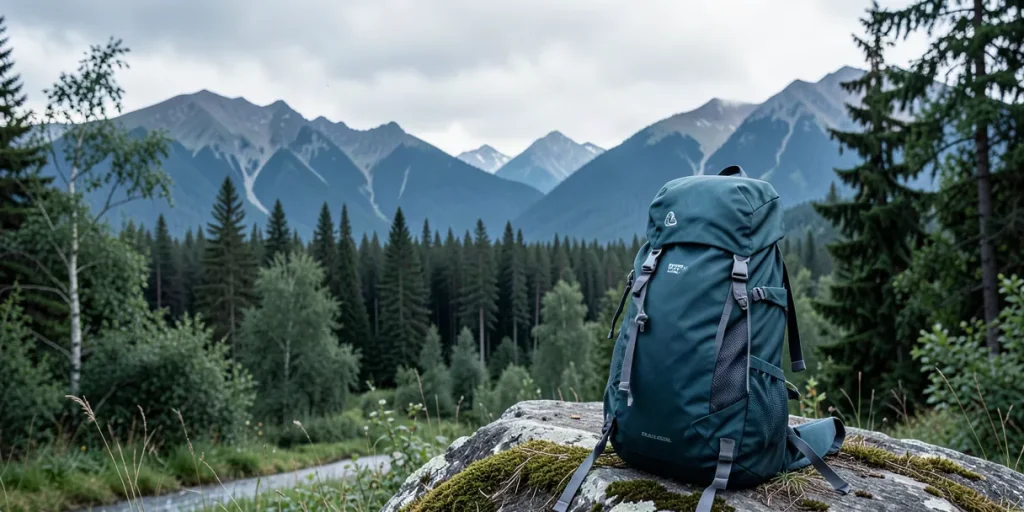
Introduction: Why Careful Preparation Is Essential for Trips to Russia’s National Parks
Planning a trip to Russia’s national parks requires attention to many details—from selecting the park and routes to following visitation rules and ensuring safety. In 2026, Russia has over 60 national parks spanning diverse natural zones, from tundra to steppes and mountain ranges. Each park has its own features, limits on visitor numbers, and preparation requirements. A proper planning approach helps not only to preserve these unique natural environments but also to secure a comfortable and safe stay.
Choosing a National Park: Criteria and Recommendations
The first step in planning is selecting the right national park. Factors to consider include accessibility, seasonality, route themes, and infrastructure level.
Main Selection Criteria
- Type of natural zone: Taiga (for example, Leonid’s Land National Park), mountains (Sochi National Park), tundra (Russian North, Pechoro-Ilychsky Park).
- Accessibility and transport: Availability of regular buses or train stations. For instance, in Taganay, buses run every 30 minutes, with tickets around 150 rubles.
- Seasonal restrictions: Some parks, like the Curonian Spit, allow visits only from May to October to avoid disturbing bird migration.
- Infrastructure: Equipped campgrounds, information centers, and routes of varying difficulty.
The right choice depends on your travel goals—whether active trekking, family vacations, or eco-tourism.
Routes and Visitor Limits
Russia’s national parks cover vast territories, so routes are often divided into zones with different visitation levels and difficulty.
Types of Routes and Their Features
- Short walking routes—2 to 5 km, suitable for families with children and beginner hikers.
- Trekking routes—10 to 30 km, requiring physical fitness and specialized gear.
- Bus routes—shuttle buses run within the park every 15–60 minutes, such as in Prioksko-Terrasny or Losiny Ostrov National Parks.
Visitor numbers are also regulated: popular parks limit daily visitors to no more than 500 to prevent overcrowding and protect the ecosystem.
| Park | Route Type | Length (km) | Average Time (hours) | Ticket Price (₽) |
|---|---|---|---|---|
| Sochi | Walking | 4.5 | 2 | 250 |
| Taganay | Trekking | 15 | 6 | 300 |
| Curonian Spit | Bus | 7 | 1.5 | 200 |
Preparation and Gear: What to Bring
Proper gear is key to safety and comfort. Depending on the season and chosen route, the list may vary, but there are basic essentials.
Essential Items for Hiking
- Comfortable hiking shoes with good soles—such as the Salomon X Ultra 4 GTX model.
- A raincoat and warm layers, considering sharp temperature swings in the mountains.
- A first aid kit with antiseptics, painkillers, and insect bite remedies.
- Navigation tools—local maps, GPS devices, or smartphones with offline maps.
- Water supply—at least 2 liters per person per day, plus high-calorie snacks.
For multi-day hikes, consider backpack weight and opportunities to replenish supplies.
Rules of Conduct in National Parks
Following rules is crucial to preserving natural heritage and visitor safety. Russia’s Federal Law No. 33-FZ dated March 14, 1995, «On Specially Protected Natural Areas,» with amendments from 2025, governs this.
Main Rules for Tourists
- No campfires outside designated areas.
- Restrictions on collecting plants, mushrooms, and berries—only in authorized zones and within limits.
- Maintain silence and respect wildlife.
- No personal vehicles allowed in protected zones without special permits.
- Use trash bins or carry out all waste.
Violations can result in fines up to 5,000 rubles, and up to 50,000 rubles in strictly protected zones.
Safety and Interaction with Local Communities
Safety in national parks depends on natural conditions and organizational measures.
What to Consider for a Safe Visit
- Stay informed about weather: in the Ural Mountains, temperature can change abruptly by up to 10 degrees within an hour.
- Availability of emergency services and first aid points—for example, volunteer rescue teams operate in Leopard Land.
- Engage with local communities and eco-organizations for up-to-date advice and permits.
Supporting and developing eco-tourism in national parks helps preserve biodiversity and boosts regional economies.
- 60+ national parks in Russia
- 500 people — daily visitor limit in popular parks
- 250–300 ₽ average ticket price for guided routes
- 2 liters of water — minimum daily supply per tourist
Frequently Asked Questions
How to book a visit to a national park in advance?
What documents are needed to visit national parks?
Can I visit national parks with pets?
Are there age restrictions for tourists?
Key Takeaways
- Select a national park based on nature, infrastructure, and your personal goals.
- Routes vary between walking, trekking, and bus tours with different difficulty and duration.
- Essential gear includes comfortable shoes, navigation tools, and a first aid kit.
- Following park rules is essential for conservation and safety.
- Safety is ensured through preparation, weather awareness, and park service support.
Conclusion
Traveling to Russia’s national parks offers a unique chance to experience the country’s rich natural heritage but requires careful preparation and respect for the environment. In 2026, eco-tourism is growing more popular, and every tourist is responsible for following rules and balancing recreation with conservation. Plan your trip ahead, study routes, prepare your gear, and coordinate with local services to ensure a comfortable and safe visit to one of Russia’s national parks.
Sources
- tourlib.net — «Russia’s National Parks as Eco-Tourism Destinations»
- rijayasonya.ru — «National Parks — User Guide — RijayaSonya.ru — Blog on Independent and Exciting Travel»
- bsu.ru — «[PDF] National Park Management Strategy»
- vodohod.com — «Russia’s National Parks: List of the Most Famous and Largest»
- biodiversity.ru — «CDOP — Regulated Tourism and Recreation in National Parks»