Updated: October 22, 2026
Key Warning from Pediatrician Ekaterina Polkanova
Ekaterina Polkanova, a pediatrician from the Moscow region, highlighted in August 2026 the serious consequences of insufficient sleep for children’s immune systems. According to her, inadequate sleep directly weakens the body’s defenses in children, increasing their susceptibility to infections. This warning is especially relevant amid the rise in respiratory illnesses during the autumn-winter season.
Polkanova emphasized that to maintain good health, children need to sleep at least 9–11 hours daily, in line with recommendations from the World Health Organization (WHO) and the Russian Society of Pediatricians. She called on parents and educators to pay special attention to children’s sleep schedules, particularly in Moscow region schools.
Scientific Data on the Link Between Sleep and Immunity
Research conducted in 2025 by the I. I. Mechnikov Northwestern State Medical University shows that children with sleep deficits are 40% more likely to suffer from acute respiratory infections. Scientists used questionnaires and biochemical analyses to measure immunoglobulin levels in the blood of over 300 children aged 6 to 12.
These findings confirm that chronic sleep deprivation reduces the production of protective antibodies and disrupts T-lymphocyte function, leading to weakened immunity. Doctors note that such changes can result in more missed school days and a decline in overall health.
Practical Recommendations for Parents and Educators
Polkanova advises establishing strict bedtime routines for children, starting from 8:00–9:00 p.m. for younger schoolchildren. She recommends avoiding gadget use at least an hour before sleep, as the blue light from screens suppresses melatonin production—the hormone regulating sleep-wake cycles.
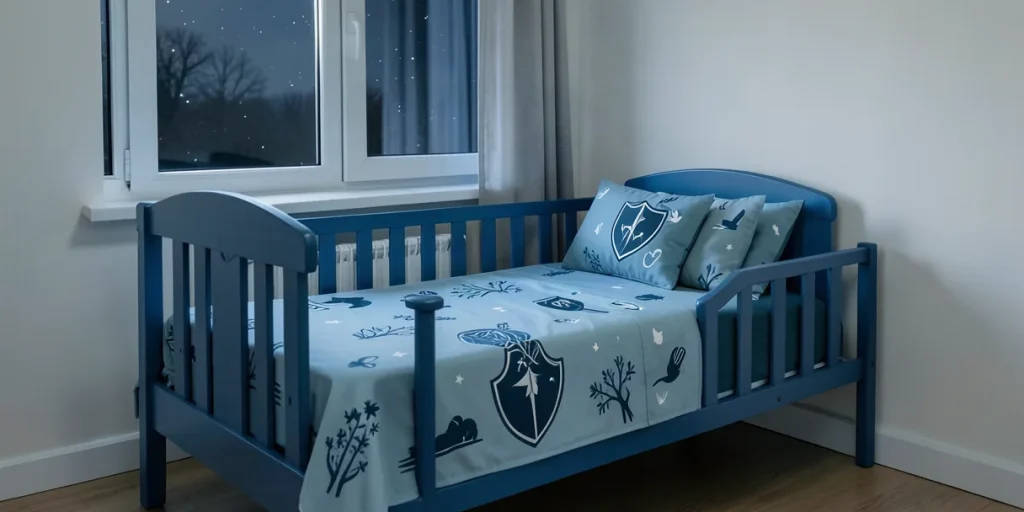
The pediatrician also suggests creating comfortable sleep environments: a dark, quiet room with air temperatures around 18–20 degrees Celsius. According to data from the Russian National Institute of Health, maintaining these conditions improves children’s sleep quality by 25%, thereby strengthening immune defenses.
Impact of Sleep Patterns on the Educational Process
Schools in the Moscow region plan to adjust class schedules to reduce morning workload and allow children to get adequate rest. According to the head of the Moscow region’s education department, such measures help lower chronic fatigue among students and improve their immune status.
Economic and Social Consequences of Sleep Deficiency in Children
Costs for medications, doctor visits, and missed classes place additional strain on family budgets and the healthcare system. Experts call for comprehensive prevention programs that include education on the importance of sleep for children to reduce these economic burdens.
Conclusion: Sleep deficiency in children is a serious threat to their immunity and health, demanding coordinated attention from parents, educational institutions, and medical professionals.
Sources
- journal-irioh.ru — “MEDICINE OF LABOR 9”
- pps.kaznu.kz — “In the Issue”
- volokolamsk.bezformata.com — “Doctor from Volokolamsk Discussed the Importance of Breastfeeding”
- academia.edu — “The Vocabulary of M.-A. Chuquri in Statistical Coverage”