Updated: August 28, 2026
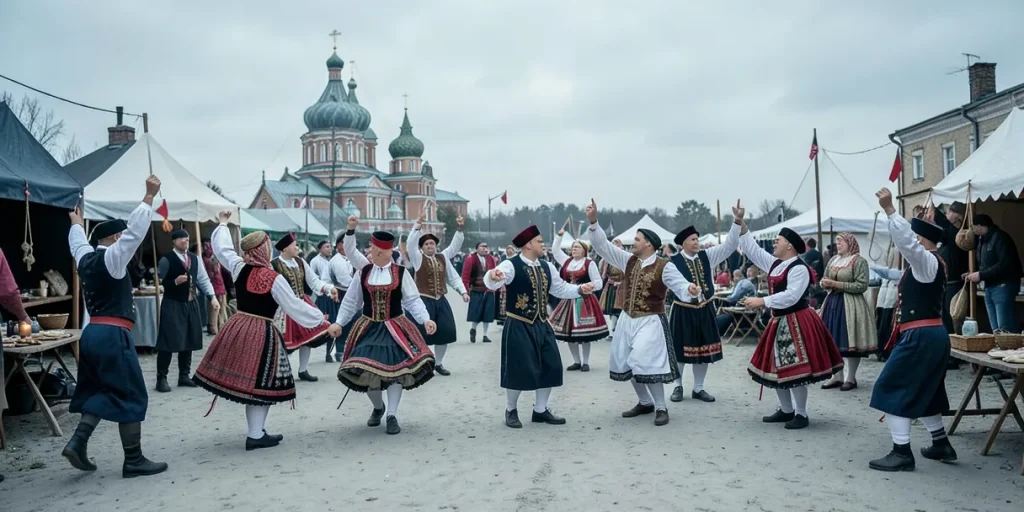
A project has been launched in Russia to study the impact of traditional holidays on society, aimed at deepening our understanding of the cultural and social aspects associated with celebrations. Traditional holidays not only reflect the historical roots of the nation but also play a significant role in shaping public consciousness and national identity. The study is focused on analyzing how these events influence interactions between people, strengthen family ties, and create a sense of community.
The project includes surveys, interviews, and cultural events, which will allow for the collection of valuable data on the perception of holidays by various segments of the population. Participants will be able to share their impressions and opinions, which will help identify how traditions adapt to modern living conditions and how they continue to influence societal norms and values. Ultimately, the research may become an important step towards preserving cultural heritage and strengthening the social fabric of society.
Introduction to the Project
In recent years, there has been a growing interest in Russia in studying traditional holidays and their impact on society. The new project, launched by specialists in sociology and cultural studies, aims to gain a deeper understanding of how holidays rooted in Russian culture shape social relationships, as well as the potential consequences they may have for the health and well-being of citizens. The research will focus on analyzing not only the positive aspects, such as strengthening family bonds and cultural heritage, but also the negative consequences, such as the increase in excess mortality, especially during the New Year holidays, associated with higher alcohol consumption.
Traditional Russian holidays, such as New Year, Maslenitsa, Easter, and others, play a significant role in societal life. Each of these holidays has its unique rituals and traditions that are passed down from generation to generation. It is important to note that holidays not only contribute to the preservation of cultural heritage but also serve as occasions for uniting people, forming a collective identity, and maintaining social capital. However, as practice shows, holidays can also lead to social and economic problems, making their study particularly relevant.
The relevance of this research in light of modern trends lies in the fact that society faces a number of challenges, such as changing values, the influence of globalization, and the weakening of traditional ties. In such conditions, it becomes vital to understand how traditional holidays can adapt to new realities and what measures can be taken to minimize negative consequences. The project aims to identify the economic aspects related to holidays, including their impact on tourism and the entertainment industry, which will also contribute to a more comprehensive understanding of their role in the country’s economy.
Thus, the study of traditional holidays is not only an attempt to comprehend cultural heritage but also an important step towards improving the quality of life in modern society.
Social Impact of Holidays
The social impact of holidays
In Russia, holidays have a significant influence on society, as evidenced by statistical data on mortality during this period. According to studies, about 10,000 Russians die each year from various causes related to holidays. Particularly high mortality rates are observed during the New Year holidays. The main factor contributing to this phenomenon is the increase in alcohol consumption, which leads to various accidents, poisonings, and road traffic accidents. The culture of alcohol consumption combined with celebrations contributes to a weakening of behavior control, which can lead to tragic consequences.
Moreover, holidays also affect crime rates. Research shows that susceptibility to offenses increases among people who have stable jobs or studies and previously had no problems with the law. Meanwhile, for the unemployed and those without a set routine, holidays do not differ much from ordinary days, which reduces their motivation to adhere to public order. This creates conditions for an increase in petty offenses, such as theft and hooliganism, especially in places of mass gatherings.
The influence of holidays on society is multifaceted and requires comprehensive study. An important aspect is not only the assessment of negative consequences but also an analysis of how traditional holidays can unite people and foster cultural exchange. Holidays can serve as occasions to strengthen social ties, shape public consciousness, and even support the local economy through tourism and entertainment activities.
Thus, the project to study the impact of traditional holidays on society in Russia is of great significance. It helps understand how holidays affect the health, safety, and social behavior of citizens, as well as identify opportunities for improving the situation through education and changing public perceptions of celebrations.
Economic Aspects of Holidays
The economic aspects of traditional holidays in Russia have both positive and negative effects. On one hand, holidays become a powerful catalyst for growth in various sectors of the economy, such as tourism and the entertainment industry. During this period, there is an increase in demand for hotel services, restaurants, cultural events, and souvenirs. For instance, during the New Year and other popular holidays, many tourists prefer to visit historical sites and participate in various cultural events, contributing to the economic development of regions.
On the other hand, holidays can also lead to negative consequences for the economy. The increase in alcohol consumption during this period often results in higher crime rates and accidents, which, in turn, raises expenses for medical and law enforcement services. Studies show that on holidays, the number of emergency cases related to alcohol may increase, putting additional strain on the healthcare system. Additionally, certain groups of the population, such as the unemployed, do not receive significant benefits from holiday weekends, as these days do not differ from ordinary ones for them.
It is also important to note the comparative analysis of economic activity on holidays versus regular days. While there is a sharp increase in consumer spending during holidays, weekday activity often significantly declines. This creates certain challenges for businesses, which must adapt to changing demand conditions. For example, many companies plan their sales and marketing strategies in advance to maximize the holiday peak.
Thus, the influence of traditional holidays on the Russian economy is multifaceted. Understanding these aspects will not only help improve economic indicators but also create a safer and more sustainable holiday environment.
Traditions and Their Contemporary Significance
The traditions of holidays are preserved and transformed in modern society, reflecting not only cultural features but also changing life realities. In recent decades, there has been a noticeable influence of globalization on Russian holidays. On one hand, many traditional rituals and customs are being modified to adapt to new conditions and requirements. For example, holidays such as New Year and Maslenitsa have acquired new elements borrowed from other cultures, making them more appealing to the youth. On the other hand, there is a desire to preserve original traditions, leading to a revival of interest in local customs and holidays that have been forgotten or lost.
Cultural heritage plays an important role in this process, becoming the foundation for identity formation and uniting people. Modern studies show that traditional holidays can have a significant impact on society. For instance, during holiday periods, there is an increase in incidents of violence and crime, which researchers attribute to the change in the usual rhythm of life and increased alcohol consumption. At the same time, holidays affect the economy, creating both positive and negative effects. The tourism sector, for example, benefits from an increase in tourist numbers, but this can also lead to infrastructure overload and rising prices.
Thus, the project studying the impact of traditional holidays on society emphasizes the need for a comprehensive approach to analyzing these phenomena. It is essential to consider both the positive aspects and potential risks associated with mass events. Preserving cultural heritage and adapting traditions to modern conditions are important steps towards forming a sustainable and harmonious society. It is vital that each holiday not only brings joy but also fosters the strengthening of social ties and understanding between different generations, ultimately helping to preserve the richness of Russian culture for future generations.
Research Methods
The methodology of the research and data collection in the project studying the impact of traditional holidays on society in Russia is based on a combined approach that includes both quantitative and qualitative methods. The research begins with an analysis of statistical data on mortality, crime, and economic indicators related to holiday periods. For this, data from government sources, such as Rosstat, as well as the results of surveys and interviews with experts in sociology and economics, are used. In addition, researchers conduct surveys among the population to identify personal opinions and perceptions of traditional holidays and their impact on lifestyle and daily habits.
The criteria for selecting participants in the study play a key role in ensuring the representativeness of the data obtained. Survey participants are representatives of various social groups, including people with different income levels, education, and employment. Special attention is paid to selecting a group that includes both employed and unemployed individuals, as their perceptions of holidays can vary significantly. Researchers also strive to include participants from different regions of the country to account for cultural and economic differences that influence people’s behavior during holidays. This multi-faceted approach allows for a more comprehensive understanding of the impact of holidays on society.
The analysis of the data obtained includes both statistical processing and qualitative analysis of participants’ responses. Survey results are processed using modern analytical tools that allow for the identification of trends and dependencies. The findings of the research will be presented in the form of reports and recommendations that can aid in understanding not only the negative aspects but also the positive ones of holidays, such as their impact on the economy, particularly in the fields of tourism and entertainment. Understanding these factors is crucial for developing strategies aimed at minimizing negative consequences and maximizing the positive influence of traditional holidays on society.
Problems and Challenges
Within the framework of the project to study the impact of traditional holidays on society in Russia, numerous problems and challenges have arisen that require careful analysis. One of the main difficulties is the need to delve deeper into the socio-cultural aspects of celebration. Despite their popularity, traditional holidays have various interpretations and meanings in different regions of the country. This diversity complicates the creation of a unified methodology for studying their impact on society, as the same holidays can elicit both positive and negative consequences depending on the context.
Moreover, there is a lack of comprehensive data for certain regions of Russia. This is due to the fact that many studies are conducted at the level of individual cities or regions, which does not allow for a complete understanding of the impact of holidays on the entire country. The absence of statistics on various aspects, such as crime rates, population health, and economic indicators during holidays, creates additional difficulties for analysts and researchers.
It should also be noted that existing data on the impact of holidays on society typically focus on negative aspects, such as the increase in instances of violence or alcohol dependence. However, it is important not to overlook the positive impacts of holidays, such as on tourism development and strengthening social ties. Holidays can contribute to economic growth by creating jobs and attracting tourists, but this influence also needs to be thoroughly examined to understand its true nature.
In conclusion, overcoming the mentioned problems is essential for the successful completion of the project and obtaining reliable results. This includes:
- Developing a comprehensive research methodology that takes into account the diversity of cultural contexts;
- Collecting and analyzing data from various regions to create a unified database;
- Considering not only negative but also positive aspects of the impact of holidays on society.
A systematic approach to these challenges can significantly improve the understanding of the role of traditional holidays in the life of Russian society.
Recommendations for Future Research
Recommendations for future research
An important aspect of further research into the impact of traditional holidays on society is improving data collection and analysis methods. It is necessary to apply modern technologies, such as surveys through mobile applications and big data analysis, to obtain a more accurate picture of public opinion and behavior during holidays. Additionally, the influence of social media, where users share their experiences and impressions, should be taken into account. Qualitative research methods, such as in-depth interviews and focus groups, can complement quantitative data and help better understand the emotional aspects of holidays.
An interdisciplinary approach to studying traditional holidays can significantly enrich research findings. It is important to involve specialists from various fields: sociologists, economists, cultural experts, psychologists, and historians. This will create a more comprehensive picture that takes into account both social and economic consequences of holidays. For example, researching the impact of holidays on crime rates requires knowledge in criminology, while analyzing their economic effects necessitates the involvement of experts in economics and marketing.
The experience of other countries in studying the impact of holidays can serve as a valuable source of inspiration for Russian researchers. Examining international practices and methodologies applied in other cultures can help uncover new aspects and approaches. For instance, studying the impact of holidays on health in Western European countries or analyzing their role in shaping national identity in Asia may provide useful insights that can be adapted to the Russian context.
In the future, it is also worth focusing on the impact of new technologies and social changes on traditional holidays. How does the perception of holidays change in the context of digitalization? How do social movements influence their content and celebrations? These questions could form the basis for new research that helps deepen the understanding of the role of traditional holidays in contemporary society.
Conclusion
Conclusion
As a result of the conducted research, the impact of traditional holidays on society in Russia presents a multifaceted picture. One of the key findings is that holidays, despite their positive effects on culture and social ties, also have negative consequences, such as increased mortality, particularly during the New Year holidays. Increased alcohol consumption and the weakening of social control during this period contribute to the deterioration of public health. This underscores the need for a deeper analysis of people’s behavior during holidays and the development of recommendations to mitigate risks.
It should be noted that holidays play an important role in strengthening social ties and forming cultural identity. They serve not only as occasions for leisure but also as a means of passing traditions from generation to generation. The economic impact of holiday periods also deserves attention. Holidays contribute to increased tourist activity and the development of the service sector, but they can also create additional challenges for certain industries, such as transportation and healthcare.
The prospects for further research in this area look promising. It is important to continue studying the impact of various traditional holidays on society and the economy, as well as their interaction with modern social changes. Future research may focus on:
- Analyzing changes in population behavior patterns depending on the season and cultural traditions;
- Studying the impact of holidays on different social groups, including youth and the elderly;
- Assessing the economic effects of holidays considering modern realities and challenges;
- Developing programs and initiatives aimed at minimizing the negative consequences of holidays.
Thus, the study of the impact of traditional holidays on society opens new horizons for understanding cultural and social processes in Russia, which in turn can contribute to the more harmonious development of both society and the economy.
Frequently Asked Questions
What are the main objectives of the project?
Which holidays are being studied in the project?
What impact do holidays have on the economy?
What are the main challenges of the research?
What are the prospects for future research?
Key Takeaways
- Holidays have a significant impact on society.
- There is high mortality associated with holidays, especially due to alcohol.
- The economic effect of holidays varies by industry.
- Traditions continue to evolve in modern society.
- There is a need for more detailed study of socio-cultural aspects.
Sources
explaining where it comes from, RBC Trends, tass.ru, cyberleninka.ru, xn—-8sbnatxcctbeddbtj9c2e.xn--p1ai