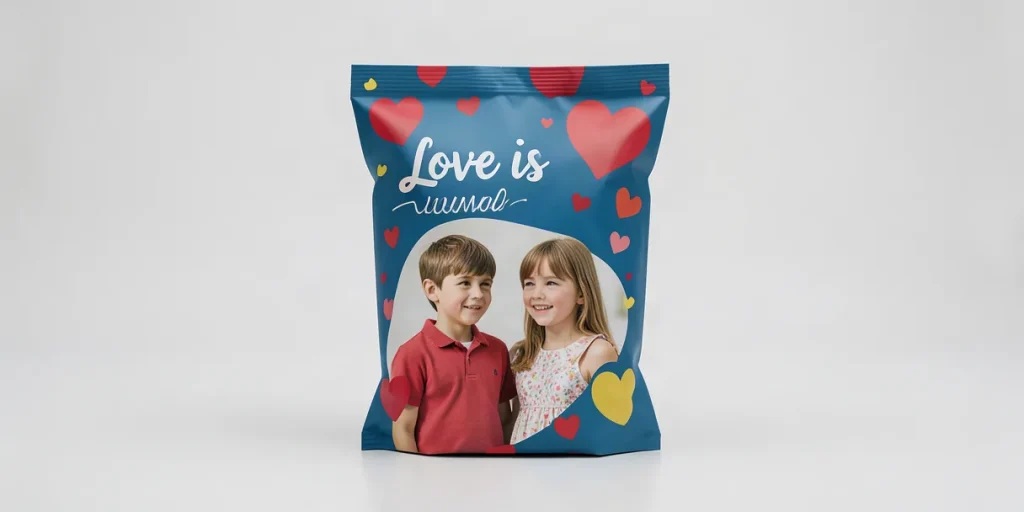
Minikim Holland’s Lawsuit Against the Magnit Chain and Moscow Potato
Dutch company Minikim Holland B.V., owner of the Love is brand, has filed a lawsuit in the Arbitration Court of Kaluga Region against Russia’s Magnit retail chain and the chip producer Moscow Potato. The suit concerns the «Love in Every Pack» advertising campaign held from February 1 to March 31, 2026, for Valentine’s Day.
The company claims that the ad campaign used images of a boy and girl characteristic of the Love is brand on the chip packaging without a license to use the copyrighted material. The complaint centers on violations of advertising rights and unfair use of the brand’s distinctive visuals.
Details of the Claims and Minikim Holland’s Position
Minikim Holland B.V. asserts that neither Moscow Potato nor the operating company of Magnit — JSC Tander — obtained a copyright license to use Love is images. According to the plaintiff, this constitutes a direct infringement of intellectual property rights.
Minikim’s legal team notes that over the past two years, the company has filed more than 20 lawsuits against Russian entities for unauthorized use of Love is elements. In most cases, Russian courts have recognized such actions as copyright violations, strengthening the plaintiff’s position in the current dispute.
The «Love in Every Pack» Campaign and Its Consequences
The Moscow Potato campaign ran from February 1 to March 31, 2026, timed to coincide with the Valentine’s Day celebration on February 14. The campaign featured images similar to the well-known Love is comics, attracting consumer attention through recognizable symbols of love.
However, despite Minikim Holland’s attempts to negotiate a resolution with Moscow Potato, the chip manufacturer expressed no interest in settling the dispute. This could lead to prolonged litigation and potential financial losses for the defendants.
The History and Significance of the Love is Brand
The Love is comics were created by New Zealand artist Kim Casali in the 1960s. In 1970, the drawings began appearing in newspapers, with one of the most famous — «Love is the ability to ask for forgiveness» — becoming a popular souvenir and postcard worldwide.
Later, the Casali couple founded the Minikim corporation, which manages the brand. In Russia, Love is is best known through the inserts in the eponymous chewing gum, highlighting the broad recognition and commercial value of the brand’s visual imagery.
Potential Implications and Significance for the Market
If Minikim Holland’s lawsuit is successful, it could set a precedent for protecting foreign intellectual property rights in the Russian market, especially within FMCG and advertising campaigns. Companies will be compelled to approach licensing and use of well-known images more cautiously.
According to judicial practice over the past two years, copyright violations in this area are punished by recognizing unauthorized use as illegal and may include compensation. This increases the risks for companies that fail to secure official rights holders’ consent for branded visuals.
Conclusion: Minikim Holland’s lawsuit against Moscow Potato underscores the importance of respecting copyright and licensing in advertising within today’s Russian market.