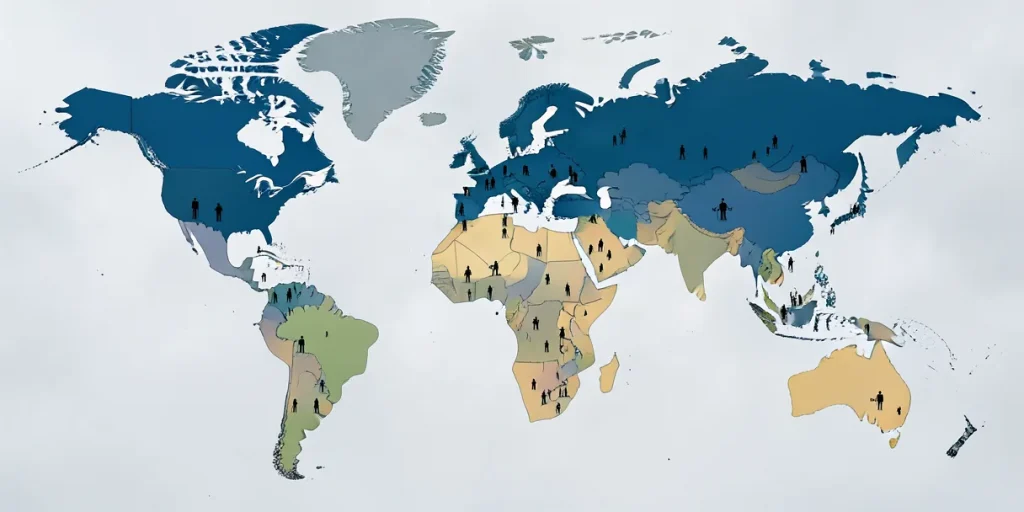
Planning a travel route in 2026 is impossible without considering climate zones, as weather conditions directly impact comfort, safety, and the richness of travel experiences. The region’s climate features dictate the best time to travel, what clothing to bring, and which activities to plan. In this article, we will thoroughly examine the main climate zones, their influence on tourism seasonality, and provide concrete recommendations for choosing the perfect route based on weather conditions.
Main Climate Zones and Their Characteristics
The world is divided into several major climate zones, each with its own temperature and precipitation patterns that affect tourism potential.
Types of Climate Zones
- Equatorial zone: stable high temperatures around +25–28 °C year-round, high humidity, and abundant rainfall;
- Tropical zone: distinct dry and wet seasons, daytime temperatures rising up to +35 °C in summer;
- Temperate zone: four clearly defined seasons, average summer temperatures around +20–25 °C, winter from 0 to –10 °C;
- Subarctic and Arctic zones: cold winters with temperatures below –30 °C, short and cool summers;
- Mountain zones: climate depends on altitude, temperature drops approximately 6.5 °C for every 1000 meters of ascent.
| Climate Zone | Average Annual Temperature (°C) | Average Annual Precipitation (mm) |
|---|---|---|
| Equatorial | 26 | 2000–3000 |
| Tropical | 28 | 500–1500 |
| Temperate | 10–15 | 600–1200 |
| Subarctic | –5 | 300–600 |
Climate’s Influence on Tourism Seasonality
Climate conditions determine when and where it is most advantageous to travel. For example, in the tropics, the rainy season can make a vacation less comfortable, while winter in the temperate zone limits outdoor activities.
Seasonal Recommendations by Zone
- Equatorial zone: the best time to travel is the dry season (usually December through April);
- Tropical zone: avoid the monsoon period, for example in Thailand from June to October;
- Temperate zone: spring and summer (May–September) are suitable for most activities, autumn is ideal for cultural events;
- Subarctic zone: tourism is possible in summer (June–August), winter travel is only for specialized winter sports.
| Climate Zone | Optimal Months | Reason |
|---|---|---|
| Equatorial | December–April | dry season |
| Tropical | November–May | minimal rainfall |
| Temperate | May–September | warm weather, long daylight hours |
| Subarctic | June–August | thaw and active recreation |
How Climate Features Affect Route Selection
When choosing a route, it’s important to consider not only the general climate parameters but also the microclimatic characteristics of the specific region and seasonal fluctuations.
Key Selection Criteria
- Temperature regime – extreme cold or heat can limit activity options;
- Precipitation and humidity – high humidity reduces comfort and can affect health;
- Seasonality – take into account periods of rain, hurricanes, and cold spells;
- Altitude – influences temperature and route accessibility;
- Availability of tourist infrastructure in different seasons.
| Destination | Average Temperature, °C | Rainy Season | Altitude, m | Risks |
|---|---|---|---|---|
| Cape Town, South Africa | 17–26 | May–July | 25 | rainy winter |
| Santorini, Greece | 18–30 | November–February | 150 | hot summer |
| Banff, Canada | –5–20 | March–May | 1385 | cold winter |
Travel Preparation Recommendations Considering Climate
Preparing for a trip with climate conditions in mind will help avoid unexpected difficulties and enhance your vacation experience.
Practical Tips
- Check weather forecasts 7–10 days before departure;
- Choose clothing based on layering principles for temperate and mountain zones;
- In high humidity areas, bring insect repellent and waterproof gear;
- In hot zones, use sunscreen with SPF 30 or higher and wear hats;
- For winter trips, plan for special equipment and insurance.
Frequently Asked Questions
How can I find out which climate zone my travel route falls into?
Is it possible to travel in the equatorial zone during the rainy season?
How does climate affect tour prices?
What is more important to consider: temperature or precipitation?
Key Takeaways
- Climate zones determine the seasonality and comfort of travel;
- The optimal travel time depends on the characteristics of each zone and local microclimate;
- Route selection should consider temperature, precipitation, altitude, and seasonal risks;
- Preparation and gear must correspond to climate conditions for safety and comfort;
- Climate information helps save money by choosing periods of low demand.
In conclusion, understanding the features of climate zones is a key element of successful travel route planning in 2026. By considering temperature, precipitation, and seasonality data, travelers can select the best time and place for their vacation, avoid unpleasant surprises, and make their trip as comfortable and rewarding as possible.
Sources
- earthpapers.net — «Features of Iran’s Climate Conditions and Development»
- dissercat.com — «Features of Iran’s Climate Conditions and Development»
- e-unwto.org — «Tourism and Climate Change»
- cyberleninka.ru — «Climate Maps for Recreation and Tourism»
- tourlib.net — «Sociopsychological Aspects of Tourism»