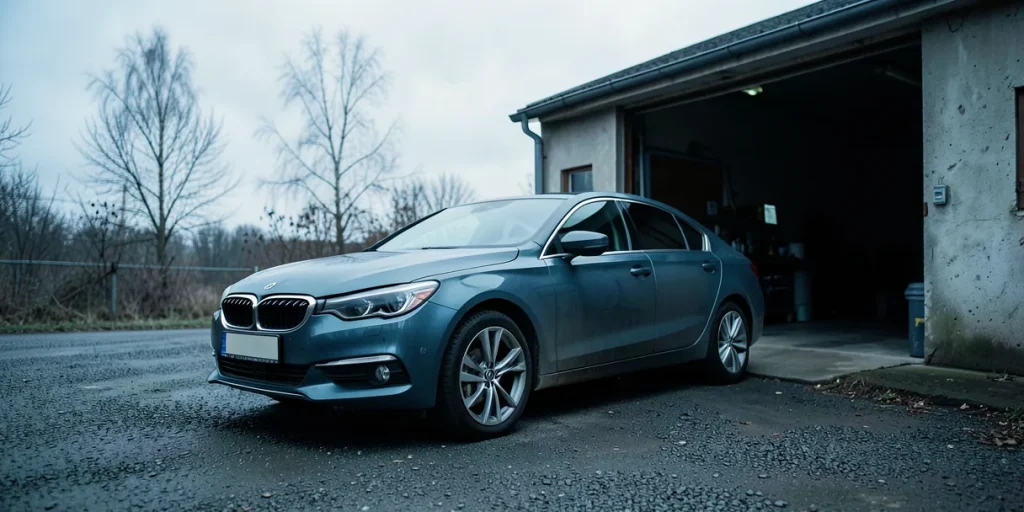
Used cars are an ideal choice for those looking to acquire reliable transportation with lower costs compared to a new vehicle. Buying a used car requires a careful approach to selection, condition checking, and transaction processing to avoid unpleasant surprises later on.
The selection and operation of used cars involve many nuances — from assessing technical condition to choosing the purchase region and understanding ownership registration specifics. It is important to consider not only the price but also maintenance features, as well as available financing and rental options. In our review, we will explain in detail how to pick a car, check its condition, and properly complete the purchase to make the process as safe and profitable as possible.
For a deeper understanding, we recommend exploring materials on our website such as “Buying a Used Car: Step-by-Step Guide for a Safe Deal,” “Used Cars: Important Technical Condition and Maintenance Nuances,” and “Auto Region: How to Choose a Region to Buy a Used Car.” There you will find useful advice and recommendations to help make an informed choice and avoid common mistakes.
| Method | Usage Period | Initial Payment | Average Monthly Fee |
|---|---|---|---|
| Purchase | Unlimited | 100% of cost | None |
| Leasing | 1-3 years | 10-15% of cost | From 10,000 rubles |
| Rental | From 1 month | None | From 20,000 rubles |
- 5 years Average age of used cars on the market
- 30-45 days Average time to sell a car on popular platforms
- 10-15% Minimum initial payment for leasing a used car
How to Choose a Used Car Considering Region and Demand?
Regional Factor
When choosing a used car, it’s important to consider regional differences that affect the price and availability of models. In Russia, the price difference for used cars between regions can reach up to 20%, influenced by demand levels, economic activity, and transport infrastructure. For example, in major cities, prices for popular models are 15–20% higher than in regions with a smaller car market.
Moreover, climate and road conditions in various parts of the country affect the condition of cars and their operational characteristics. In northern regions, the age of sold cars is often lower due to increased wear and tear, while in southern areas, the average mileage may be higher thanks to milder operating conditions.
Popular Models
In Russia, the most in-demand models are Lada Granta, Kia Rio, and Hyundai Solaris, which typically feature moderate annual mileage — usually not exceeding 50,000 km. The average age of cars for sale is about 5 years, indicating a preference for relatively young vehicles with remaining warranty or minimal repair costs.
- Lada Granta — affordable price, low maintenance costs.
- Kia Rio — balanced price-to-quality ratio, popular in cities.
- Hyundai Solaris — valued for reliability and comfort during operation.
What You Need to Know Before Buying and How to Conduct a Safe Transaction?
Before buying a used car, it’s essential to conduct a thorough technical inspection and carefully assess the financial terms to avoid problems and losses. A safe purchase requires verifying not only the car’s condition but also the legality of its documents, as well as properly drafting the sales contract.
Technical Diagnostics
- Engine check — compression levels and absence of oil leaks must be within normal limits; otherwise, repairs can cost from 30,000 to 100,000 ₽;
- Brake system inspection — pad wear should not exceed 50%, or replacement will cost approximately 8,000–15,000 ₽;
- Body diagnostics — no corrosion or significant damage, and correct VIN code verified via the traffic police database;
- History check through services recording accidents and legal restrictions to exclude the risk of buying a pledged or stolen vehicle.
Financial Aspects
- The average price of a category B used car in 2026 ranges from 500,000 to 1,200,000 ₽, depending on brand and condition;
- Additional expenses for transaction processing should be considered — state registration fee is 350 ₽, notary services if required may cost from 1,000 ₽;
- It’s recommended to follow a step-by-step guide for a safe purchase, including seller verification and drafting a detailed sales contract specifying all terms and conditions;
- Payment is best made through an escrow account or bank transfer, minimizing the risk of fraud.
Which Platforms Are Best for Buying and Selling Used Cars?
Avito Auto
The “Avito Auto” platform is the leader in popularity among used car buyers in Russia, attracting over 70% of the market audience. The average selling time on Avito Auto is about 30-45 days, due to high traffic and a wide variety of listings. Posting ads costs between 350 and 1500 rubles, depending on region and vehicle category.
Avito Auto offers a user-friendly interface for searching and filtering by make, model, year, and mileage. Additional ad promotion options increase visibility and shorten selling time. Sellers also benefit from direct communication with buyers via an integrated messenger, simplifying negotiations.
Auto.ru
The “Auto.ru” platform stands out with a broad set of tools for price evaluation and vehicle history checks, making it the preferred choice for more thoughtful buyers and sellers. The service allows obtaining current market prices and checking a car by VIN for restrictions and accidents.
Listing an ad on Auto.ru costs on average from 800 to 2000 rubles, depending on service package and region. A major advantage of the platform is its market analytics and pricing recommendations, helping sellers quickly adjust to current demand and reduce selling time to 30-45 days.
- Avito Auto: over 70% of buyers, listing cost 350–1500 ₽, average selling time 30-45 days
- Auto.ru: evaluation and history check tools, listing cost 800–2000 ₽, average selling time 30-45 days
What Are the Features of Leasing, Renting, and Selling Used Cars?
Leasing
Leasing used cars is characterized by a reduced down payment — usually from 10 to 15% of the vehicle’s cost, making this financing method more accessible compared to buying on credit. Lease terms vary from 1 to 3 years, with monthly payments depending on the model and residual value. For example, leasing rates for popular models like Hyundai Solaris or Kia Rio may start at 12% per annum.
With leasing, ownership rights remain with the lessor, reducing client risks in case of technical issues. Additionally, many companies include service maintenance in the contract, which is convenient for keeping the car in good condition.
Rental
Rental of used cars is usually arranged for periods from 1 month up to a year with a fixed monthly fee starting from 20,000 rubles. This option suits those who need transportation for a limited time without long-term commitments. For instance, renting a Lada Granta in Moscow may cost 20–25 thousand rubles per month.
The renter receives a car in good condition but must comply with return conditions, including mileage limits and vehicle state. Rental agreements often require a deposit, which is refunded after returning the car undamaged.
- Leasing: down payment 10–15%, term 1–3 years, possible service support
- Rental: term from 1 month to a year, monthly fee from 20,000 ₽, deposit required
- Sale: requires vehicle preparation and proper document processing for a profitable deal
What Are the Most Common Mistakes When Choosing and Buying a Used Car?
Legal Risks
One of the most common mistakes when buying a used car is failing to verify its legal status, which can lead to serious problems during registration. For example, if the car is reported stolen or pledged as collateral on a loan, the new owner risks losing the vehicle or facing prolonged legal disputes. In Russia, it is possible to check a vehicle’s status through the official traffic police database, where you can learn about restrictions, liens, and accident involvement. Skipping this check often results in registration refusal and financial losses that may reach several hundred thousand rubles.
Technical Errors
About 40% of buyers do not conduct a full technical inspection when assessing a used car, leading to unexpected repair costs. They often overlook checking the engine, transmission, and suspension condition. It’s recommended to focus on specific indicators, such as brake pad wear, which should not exceed 50%, and oil condition — its color and viscosity. Moreover, many buyers underestimate upcoming maintenance expenses, which can amount to 15% to 25% of the car’s purchase price. For instance, timing belt replacement on a Volkswagen Polo may cost around 15,000 rubles, and suspension repair from 20,000 rubles and up.
Frequently Asked Questions
How to determine the actual mileage of a car?
What is the cost of a full technical inspection of a used car?
Which documents must be checked when buying a used car?
How long does the process of arranging leasing for a used car usually take?
Key Takeaways
- Region choice affects price and model availability
- Thorough diagnostics reduce purchase risks
- Avito Auto and Auto.ru lead in listings quantity
- Leasing and rental expand used car usage options
- Legal verification is a mandatory transaction step