Technology

Unitree Robot Demonstrates Unique Abilities, Jumping Two Meters

14 min read · 26 August 2026
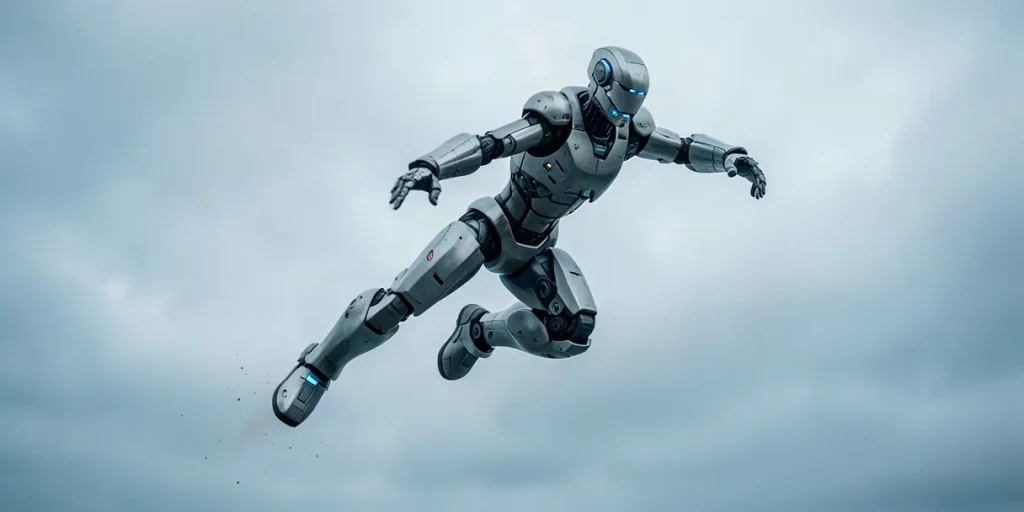
Illustration for the article “Unitree Robot Demonstrates Unique Abilities, Jumping Two Meters”

Updated: August 28, 2026

In the world of technology, new and amazing developments emerge every day, and the Unitree robot has become a true sensation thanks to its unique abilities. At a recent demonstration event, it amazed spectators by performing an impressive jump to a height of two meters. This robot, designed to perform a variety of tasks, showcased not only physical strength but also a high degree of maneuverability, opening new horizons for its application in various fields.

The capabilities of Unitree inspire awe and raise the question: how can such technologies change our everyday lives? From assisting in rescue operations to applications in agronomy, this robot can become an indispensable assistant in a wide range of areas. Let’s take a closer look at what lies behind this technological marvel and what prospects arise with its appearance on the market.

Introduction to the World of Robotics

Robotics is a field of science and technology that has rapidly developed over the past few decades. Since the introduction of the first automated machines in the mid-20th century to modern high-tech robots capable of performing complex tasks, this sector has undergone significant changes. The first industrial robots were limited in their capabilities, but each year new technologies, such as machine learning and artificial intelligence, allow for the creation of smart machines that can adapt to various conditions and perform complex operations. A significant milestone in the development of robotics has been the integration of robotic systems into everyday life and production processes, which has greatly improved efficiency and safety.

Modern technologies play a key role in our society, influencing various spheres from medicine and education to industry and entertainment. Robots are becoming an integral part of our lives, performing tasks that would be difficult or dangerous for humans. This is why interest in robotics continues to grow, which in turn stimulates investments in research and development. New achievements in the field of robotics not only change our perception of what machines can do but also open new horizons for business and scientific research.

Chinese companies, such as Unitree Robotics, hold a significant position in the global robotics market. These companies not only actively develop new technologies but also implement them in mass production, making their products accessible to a wide audience. For example, the recently unveiled robot from Unitree demonstrates unique capabilities such as jumping up to two meters and speeds of up to 45.6 km/h, highlighting the level of innovation achieved in this country. Chinese developers continue to set trends in the field of robotics, creating devices that astonish with their functionality and efficiency.

New Humanoid Robot from Unitree

The Chinese company Unitree Robotics has recently introduced its new humanoid robot, boasting impressive specifications: it can jump to heights of up to two meters from a standstill and reach speeds of up to 45.6 km/h. This model, named «Superman,» was developed in just three months and has already demonstrated its abilities at various events, including talent shows. The robot’s design combines modern technology with ergonomic shapes, allowing it to effectively perform its assigned tasks.

The technologically advanced humanoid robot is equipped with cutting-edge sensors and mechanisms, enabling it not only to jump but also to adapt to various environmental conditions. It utilizes 3D lidars and depth cameras for navigation, ensuring its ability to avoid obstacles and accurately assess the space around it. These features make «Superman» a multifunctional device suitable for applications in various fields, such as services, research, and the entertainment industry.

Comparing the new robot with previous models from the company, significant improvements in performance and functionality can be noted. For instance, unlike its predecessors, «Superman» demonstrates higher metrics not only in vertical jumping but also in running speed. This makes it more suitable for performing complex tasks where high mobility and agility are required. While previous models could only perform a limited set of actions, the new development expands the potential applications of robots in real life.

  • Jump height: up to 2 meters
  • Maximum speed: 45.6 km/h
  • Equipment: 3D lidars, depth cameras
  • Development time: less than 3 months

Thus, the humanoid robot from Unitree not only demonstrates impressive physical abilities but also opens new horizons for the application of robotics in everyday life and industry.

Phenomenal Physical Abilities

The robot from Unitree, named «Superman,» showcases impressive physical capabilities that place it among the best achievements in robotics. One of its most striking characteristics is its ability to jump to a height of up to two meters from a standstill. This unique ability is achieved through innovative design and advanced technologies used in the robot. In particular, a well-thought-out spring system and weight distribution allow it to effectively utilize the strength of its limbs to reach maximum jump height.

Moreover, «Superman» can achieve speeds of up to 45.6 kilometers per hour, equivalent to 12.66 meters per second. This speed is attained thanks to a powerful motor and a special control system that optimizes the robot’s movements. The developers paid special attention to dynamics and maneuverability, allowing the robot not only to move quickly but also to confidently navigate various obstacles in its path.

The technical details that provide such outstanding characteristics include:

  • Modern sensors for determining position and speed;
  • Adaptive algorithms that allow the robot to learn and adapt to changing conditions;
  • High-quality materials that ensure the lightness and strength of the structure;
  • Advanced control systems that allow precise movement and coordination.

Thanks to such achievements, «Superman» has already impressed audiences at various events and shows that the future of robotics promises to be truly exciting. With each new step, technology becomes increasingly integrated into our lives, and such developments serve as a vivid example of this progress.

Development and Testing

The development of the new robot by Unitree took less than three months, which is an impressive indicator for such a complex technical device. Engineers and developers worked intensively to create a unique model capable of jumping to a height of two meters from a standstill and reaching speeds of up to 45.6 km/h. During the development, special attention was paid to both mechanics and software, allowing for high efficiency and stability of the device’s operation.

The testing process for the robot was conducted in several stages. Initial tests assessed its physical capabilities, including jumping and movement speed. The results were astounding: the robot easily overcame the designated heights and speeds, confirming its status among similar devices on the market. Additionally, tests were conducted on stability and adaptability to various conditions, which also showed high results. The development team actively collected data and conducted analysis to improve the model and eliminate possible shortcomings.

Performances at events and talent shows became an important part of promoting the robot. Unitree showcased its new product at several major exhibitions, where it attracted the attention of both specialists and the general public. The demonstration of the robot’s capabilities, including its unique jumps and speed, delighted spectators. Participation in such events not only contributed to the popularization of the technology but also provided an opportunity to receive feedback from potential users.

Thus, the development and testing of the Unitree robot became a model of a modern approach to creating high-tech devices, where speed, efficiency, and innovation go hand in hand.

Potential for the Future

The Unitree robot, capable of jumping two meters and accelerating to 45.6 km/h, opens new horizons for applications across various fields. Its unique physical characteristics make it an ideal candidate for use in rescue operations, where quick response and the ability to overcome obstacles are required. For example, in disaster situations, the robot can quickly reach hard-to-access areas where assistance is needed, and its maneuverability will allow for effective search operations. Additionally, in the sports sector, such a robot can be used for training athletes, providing them with opportunities to analyze and improve their skills in real-time.

Furthermore, the integration of robots like Unitree into everyday life can lead to significant changes in work processes. They can become assistants in offices, performing routine tasks such as document delivery or cleaning. In production environments, the robot can enhance work efficiency by automating processes that previously required human involvement. This will not only reduce labor costs but also allow people to focus on more creative and strategic tasks.

Looking to the future, we can expect that technologies in the field of robotics will develop rapidly. Forecasts indicate that in the coming years we will see further advancements in artificial intelligence and machine learning, enabling robots to adapt to new conditions and tasks. As a result, we are likely to witness the emergence of more complex and multifunctional robots capable of not only performing physical tasks but also interacting with humans on a deeper level.

  • Rescue operations in disaster conditions.
  • Sports training and skill analysis for athletes.
  • Automation of routine tasks in offices and production.
  • Development of artificial intelligence to enhance user interaction.

Competition in the Robotics Market

Against the backdrop of a rapidly evolving robotics market, Unitree Robotics stands out with its impressive achievements. The new humanoid robot, named «Superman,» can jump to heights of up to two meters and reach speeds of up to 45.6 km/h. These characteristics place it among the leading positions among similar devices produced by other manufacturers. For example, companies like Boston Dynamics and SoftBank Robotics also offer high-quality robots, but their focus is often on maneuverability and complex algorithms for interacting with the environment rather than on physical power.

Unitree positions its robot as a versatile solution for various tasks, from entertainment events to applications in security and logistics. Unlike competitors, who often work on creating robots with high intellectual capabilities, Unitree emphasizes unique physical characteristics and speed, allowing their device to effectively tackle physical challenges. This opens new horizons for the application of robots in situations requiring high speed and maneuverability.

Key advantages of the new robot from Unitree include:

  • The ability to jump vertically to heights of up to two meters, allowing it to overcome obstacles.
  • Maximum speed of up to 45.6 km/h, making it one of the fastest humanoid robots on the market.
  • Rapid development and readiness for mass production, enabling the company to respond quickly to market needs.
  • A wide range of potential applications, from show programs to practical use in various industries.

Thus, the Unitree robot demonstrates not only technical achievements but also the ability to adapt to the needs of the modern market, which undoubtedly strengthens its position in a competitive environment.

Ethics and Safety in Robotics

In recent years, the development of humanoid robots, such as the new robot from Unitree, which can jump to heights of up to two meters and reach speeds of up to 45.6 km/h, raises important questions of ethics and safety. Ethical questions become particularly relevant when it comes to integrating such technologies into everyday life. It is necessary to consider how the use of humanoid robots may impact human relationships, employment, and personal space. For instance, interaction with robots in personal and professional spheres may evoke feelings of anxiety and distrust in people if clear rules and norms are not established.

Ensuring safety during human-robot interactions is also crucial. The development of technologies that enable humanoid robots to interact safely with humans must be a priority for manufacturers. It is important to create systems that minimize the risk of injury to both users and those around them. For example, robots should be equipped with sensors and algorithms that allow them to avoid collisions and respond to changes in the environment. This will create a safer environment for both humans and the robots themselves.

Public perception of humanoid robots also raises many questions. On one hand, new technologies can evoke admiration and interest, but on the other hand, they can also generate fear and distrust. People may worry that robots will replace them in the workforce or invade their personal space. Therefore, it is important to engage in open dialogue with the public, informing them about the advantages and disadvantages of using humanoid robots. Transparency regarding the development and application of technologies will help reduce levels of fear and distrust.

In conclusion, the development of humanoid robots, such as the model from Unitree, raises numerous questions regarding ethics and safety. Ensuring safe interaction and fostering positive public opinion about robots should be a priority for developers so that technologies can integrate into everyday life, bringing benefits and improving quality of life.

Conclusion

In conclusion, the robot from Unitree, with its unique capabilities, has demonstrated impressive achievements in the field of robotics. Its ability to jump to heights of two meters and reach speeds of up to 45.6 km/h places it among the top devices in its class. The development of this robot took just three months, emphasizing the speed and efficiency of the Unitree team. Participation in various events, including talent shows, allowed not only for the demonstration of the device’s technical characteristics but also its ability to engage and inspire the audience.

The prospects for further development of the technologies embedded in this robot look promising. Given the growing interest in automation and the integration of robots into everyday life, it is expected that such devices will be used in a wide range of fields: from logistics to medicine. The innovative solutions applied in Unitree could become the foundation for creating more complex and adaptive systems capable of performing tasks requiring high mobility and coordination.

The impact of new technologies on the future of society is hard to overestimate. Robots like Unitree open new horizons in entertainment, sports, and even education. They can not only ease routine tasks but also become full participants in human activity. It is important to remember that with developments like the Unitree robot, we are only beginning to explore the possibilities that lie ahead for humanity in the era of digitalization and automation.

Thus, the successes of Unitree Robotics in creating a high-functioning robot highlight the significance of investing in research and development, as well as the need to pay attention to the ethical and social aspects of integrating new technologies into our lives.

Frequently Asked Questions

What is the maximum speed of the Unitree robot?
The robot can reach speeds of up to 45.6 km/h.
How long did it take to develop the robot?
The development of the new robot took less than three months.
What events has the robot participated in?
The robot has been demonstrated at various events, including talent shows.

Key Takeaways

  • Unitree Robotics has introduced a unique humanoid robot.
  • The robot can jump to a height of 2 meters and run at speeds of up to 45.6 km/h.
  • Robotic technologies continue to develop rapidly.

Sources

3dnews.ru, OBOZ.UA, cnbc.com, hightech.plus, tadviser.ru