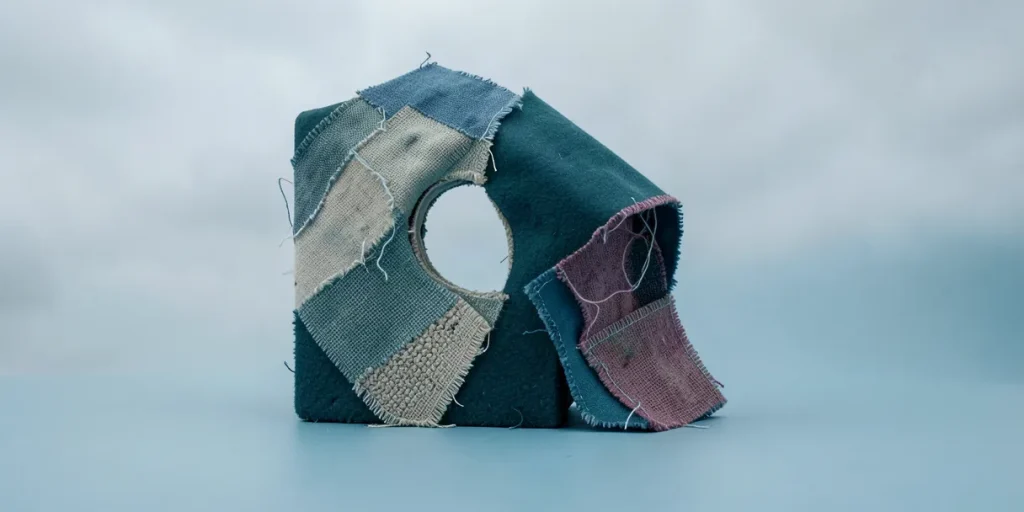
In recent years, we have witnessed significant changes in the fashion world, where sustainability is becoming not just a trend, but a new norm. Designers, brands, and consumers are increasingly aware of the importance of a responsible approach to clothing production, considering both environmental and social aspects. This leads to sustainability in clothing design being perceived no longer as a temporary fashion, but as a fundamental principle shaping the future of the fashion industry.
Today, sustainable practices encompass all stages of the clothing lifecycle – from material selection to production and distribution methods. Consumers demand transparency and accountability from brands, prompting designers to adopt innovative solutions and materials that minimize environmental impact. In this article, we will explore key trends in clothing design that highlight the commitment to sustainability and their influence on modern fashion.
Understanding Sustainability in Fashion
Understanding sustainability in fashion
Sustainability in fashion today represents an important aspect defining the future of the industry. This concept includes not only the choice of eco-friendly materials but also ethical production methods that minimize negative environmental impacts. Sustainability is becoming the norm, and brands are striving to integrate it into their processes, recognizing that consumers are increasingly favoring clothing produced in accordance with ethical standards.
Environmental issues such as climate change, pollution, and depletion of natural resources significantly influence material choices for clothing production. Designers are increasingly turning to recycled and organic materials, as well as exploring innovative solutions such as bioplastics and textiles made from waste. These changes not only help reduce carbon footprints but also conserve resources for future generations. Thus, fashion becomes not just an aesthetic phenomenon but also a platform for addressing global environmental challenges.
The difference between sustainable and traditional fashion lies not only in materials but also in the philosophy of production. Traditional fashion often focuses on rapid production and consumption, leading to resource overuse and the creation of enormous amounts of waste. In contrast, sustainable fashion emphasizes durability, quality, and ethics, offering collections that can last long and remain relevant. This is also associated with the growing popularity of the slow fashion concept, which calls for a more mindful and slower approach to clothing purchases.
Therefore, sustainability in fashion represents not a fleeting trend but a necessity that meets contemporary demands. Consumers, increasingly aware of their role in this process, begin to choose brands that care for the planet and society. Sustainable fashion development becomes not only the norm but also a guarantee of its successful future.
Ethical Materials and Production
Ethical materials and production
One of the key trends in modern clothing design is the use of organic and recycled fabrics. Each year, the number of brands that are abandoning traditional synthetic materials in favor of more environmentally safe alternatives grows. Organic fabrics such as cotton, linen, and wool are produced without the use of chemical fertilizers and pesticides, reducing negative impacts on ecosystems. Recycled materials, such as polyester made from plastic bottles, not only reduce waste but also help conserve the resources needed to produce new fibers. This approach contributes to the creation of a more sustainable and ethical fashion market.
Methods of ethical production also play a significant role in shaping a new fashion culture. These practices include transparency in supply chains, respect for workers’ rights, and minimizing waste in the production process. Brands adhering to ethical principles often provide complete information about their suppliers and labor conditions, allowing consumers to make informed choices. The benefits of such methods are evident: not only is the quality of life for workers improved, but also trust from buyers increases, who are more frequently choosing brands that prioritize ethical standards.
Many well-known brands have already integrated ethical practices into their operations. For example, Patagonia actively uses recycled materials and cares for its employees by providing decent working conditions. Another example is Stella McCartney, which has focused on sustainability from the very beginning of its activities, refusing to use leather and fur. Such examples inspire other designers to implement ethical solutions, shaping a new understanding of fashion as a means of self-expression and social responsibility.
Thus, ethical materials and production methods are becoming an integral part of the modern fashion world, contributing to the creation of a more sustainable and responsible approach to clothing.
Design Trends: From Fast to Slow
Design trends: from fast to slow
Each year, the concept of slow fashion gains increasing popularity, gradually becoming the norm in the world of clothing design. This approach implies the creation of quality and durable clothing that is not subject to fleeting trends. Brands focused on slow fashion emphasize ethical production, the use of eco-friendly materials, and respect for resources. This is not just a fashion trend, but a necessity that has arisen in response to growing environmental issues and the need for sustainable consumption.
The benefits of slow production for the environment are evident. First, slow fashion implies a smaller volume of production, which reduces the ecological burden. Brands following this principle often use recycled or organic materials, minimizing waste and reducing environmental pollution. Secondly, such fashion fosters a more mindful relationship with clothing: buyers begin to ask questions about where their clothing comes from, how it was produced, and what impact it has on the planet. This leads to the formation of a more responsible consumer behavior, where people choose quality over quantity.
Slow fashion is also changing consumers’ perceptions of clothing. Instead of following temporary trends, many today prefer to invest in items that truly reflect their personal style and individuality. Clothing becomes not just a wardrobe item, but a means of self-expression. Consumers are beginning to understand that buying quality clothing is not only a long-term investment but also important for supporting a sustainable future.
Thus, the slow approach to fashion not only supports environmental initiatives but also forms a new understanding of the value of clothing in the consciousness of consumers. Sustainability becomes an integral part of design, influencing all aspects of the fashion industry.
Cultural Changes and Fashion
Cultural changes and fashion
Modern fashion is inextricably linked to social movements that actively influence the formation of its trends. In recent years, there has been a growing interest in sustainability, which has been reflected in consumer preferences. Social media plays a key role in spreading ideas of conscious consumption, allowing people to learn about the importance of ethical fashion. People are increasingly choosing clothing not only based on aesthetic criteria but also on sustainability principles, creating demand for brands that work with eco-friendly materials and ethical production methods.
Art and culture also significantly influence style choices. Fashion becomes a reflection of cultural changes, and designers draw inspiration from music, cinema, and exhibitions. In recent years, there has been a trend toward incorporating elements of street style and vintage details, highlighting individuality and self-expression. Fashion collections increasingly include antique motifs and fabrics, creating unique images and allowing people to stand out from the crowd.
Moreover, modern fashion strives for individuality. Consumers do not want to blindly follow trends; they are seeking ways to express their uniqueness through clothing. Sustainability becomes not just a fashionable word but an important aspect of self-expression. People choose items that reflect their personal values, creating a new understanding of style. Designers, in turn, respond to this demand by offering collections that allow everyone to feel special.
Thus, fashion in 2026 demonstrates how cultural changes and the pursuit of sustainability shape new approaches to style and self-expression. This dynamic becomes the foundation for fostering more responsible and conscious consumer behavior.
Technologies in Sustainable Design
Technologies in sustainable design
Modern technologies play a key role in shaping sustainable clothing design. One of the most significant achievements in this area is 3D printing. This technology allows for the creation of unique products with minimal waste, significantly reducing negative environmental impact. Thanks to 3D printing, designers can experiment with shapes and structures of clothing, creating complex and original solutions that would be impossible to achieve with traditional production methods. It also opens new horizons for clothing personalization, aligning with modern trends in fashion.
Digital technologies not only simplify the creation process but also contribute to the development of new materials. For example, using modeling software allows for testing various fabric and texture options, eliminating the need for large quantities of samples and trial collections. This becomes especially important in the context of rapidly changing consumer demands. Innovative materials, such as recycled fibers or eco-friendly synthetics, are actively introduced into production processes, making clothing not only stylish but also sustainable.
Additionally, the digitization of clothing production and distribution processes significantly increases transparency in supply chains. Consumers are becoming more informed about how their items are made and are eager to support brands that adhere to ethical principles. This innovation in the approach to fashion allows not only for reducing carbon footprints but also for fostering conscious consumption. With technologies that facilitate access to information about the origins of materials and labor conditions, buyers can make more informed decisions.
Thus, technologies are becoming an important tool in the transition to sustainable design, helping not only to create unique and innovative products but also to shape a new consumer consciousness focused on ecological responsibility and ethics.
Consumer Preferences
Consumer preferences in sustainable fashion have changed significantly in recent years, especially among the youth audience. More and more people are becoming aware of the importance of ethical and eco-friendly clothing production. This awareness has resulted from active promotion of sustainable consumption on social media, where users share their finds and recommendations, emphasizing the significance of choosing responsible brands. As a result, consumers have begun to view sustainable fashion not as a temporary trend but as a norm that aligns with their values and lifestyle.
Young people, in particular, are showing an increasing interest in clothing produced with ethical standards in mind. This category of consumers actively seeks brands that use eco-friendly materials and provide fair labor conditions for their workers. Sustainability has become an important factor in purchasing decisions: many prefer to invest in quality items that will last longer rather than follow fleeting trends. This phenomenon is also connected to the transition to the concept of slow fashion, where the focus is on durability and quality rather than mass production.
Social media plays a key role in shaping consumer preferences. They not only provide a platform for discussing and exchanging opinions about fashion but also become a place where brands can showcase their values and production approaches. Influencers and bloggers who support sustainability ideas have a significant impact on their followers, helping them to make conscious choices about style and brands. Thus, modern consumers are becoming more informed and responsible, actively supporting those labels that align with their ideals.
Ultimately, changing consumer preferences indicate that sustainability in fashion is not just a trend but an important component of modern society. People strive for harmony between style and ethics, choosing items that reflect their personal values and contribute to environmental preservation.
Sustainability as a Marketing Strategy
Sustainability as a marketing strategy
Modern clothing brands actively use the concept of sustainability in their advertising campaigns, seeking to attract consumers who increasingly value ethical and eco-friendly practices. Sustainable development has become not just a fashionable word but an important criterion for many buyers. Brands that integrate sustainability into their strategies often emphasize the use of recycled materials, ethical production, and transparency in supply chains. This allows them not only to stand out from competitors but also to form a positive image, which in turn fosters customer loyalty.
However, despite the growing interest in sustainable fashion, consumers are becoming increasingly cautious of marketing tricks. They are aware that some companies may use sustainability merely as a marketing ploy without implementing real changes in production processes. Therefore, an important factor for success becomes a brand’s sincerity and consistency in its approach to sustainability. Consumers want to see not only beautiful words on packaging but also real actions that confirm commitment to ecological and social standards.
Successful examples of marketing strategies in sustainable fashion can be observed from brands like Stella McCartney and Patagonia. Stella McCartney, for example, actively uses innovative materials in its collections, such as recycled polyester and organic cotton, highlighting its commitment to environmental protection. Patagonia not only produces eco-friendly clothing but also actively supports initiatives for nature conservation, creating a sense of participation in a greater cause among consumers. These examples demonstrate that sustainability can be an effective marketing strategy and an important element of corporate culture, contributing to long-term business development.
The Future of Sustainable Design
The future of sustainable design in the fashion industry promises to be bright and promising. There is already a noticeable shift towards eco-friendly materials and ethical production processes, and this trend will only strengthen in the coming years. Brands that want to remain competitive must adapt to new market demands, focusing on conscious consumption. Consumers are increasingly choosing clothing that not only pleases the eye but also meets ethical standards. This means that brands must not only use sustainable materials but also implement transparent supply chains so that customers can see where their clothing comes from.
In addition, interest in the concept of a circular economy is growing, which involves recycling and reusing materials. Brands that can offer solutions for disposing of old items or organizing exchange programs will position themselves at the forefront of the market. This also opens new opportunities for young designers who are at the start of their careers. They can develop ideas based on sustainability principles, creating unique and innovative collections that attract audience attention.
Young designers, paying attention to current environmental and sustainability issues, can bring a fresh perspective to the industry. They can experiment with new technologies, such as 3D printing and digital graphics, which will not only help reduce waste but also create unique pieces that cannot be found in mass production. Sustainable design is becoming not just a fashion trend but a necessity for the future of the industry.
Ultimately, sustainable design not only responds to modern challenges but also shapes the future of fashion. It is important for both large brands and emerging designers to understand that sustainability is not just a choice of materials but a philosophy that should permeate all aspects of their work. This will help create a more harmonious and balanced fashion industry that meets the demands of the times and the expectations of consumers.
Frequently Asked Questions
What is sustainability in fashion?
How to choose sustainable clothing?
Why is slow fashion important?
How do technologies influence sustainable design?
Can sustainability be profitable for brands?
Key Takeaways
- Sustainability is becoming the foundation of modern clothing design.
- Ethical materials and slow production are key trends.
- Technologies open new opportunities for sustainable design.
- Consumer preferences are shifting towards eco-friendliness.
- Sustainability is not just a trend but a necessity for the future of fashion.
Sources
theblueprint.ru, two-eagles.ru, kostumologiya.ru, ls.net.ru, beinopen.ru
