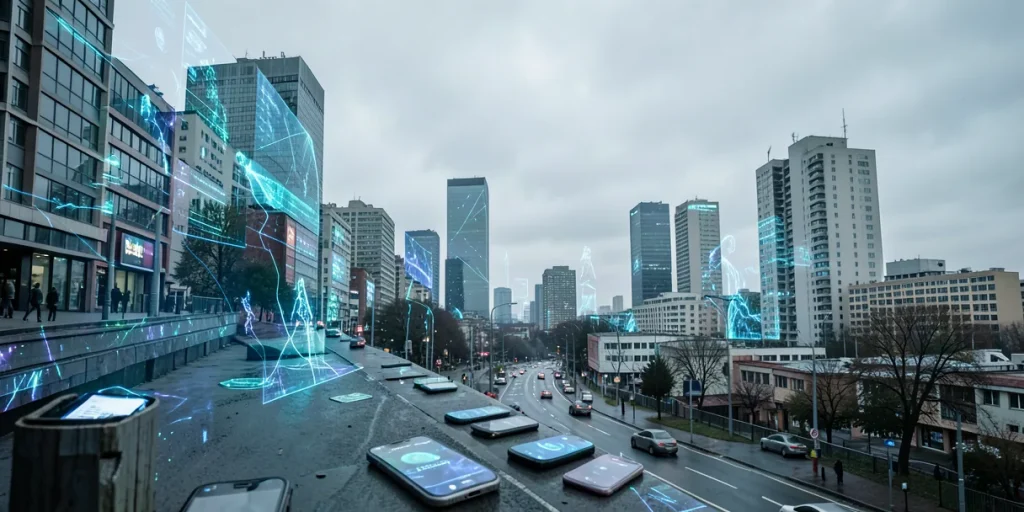
Digital technologies are radically transforming urban culture by introducing new forms of communication, art, and social interaction that make life in megacities more dynamic and interconnected. They create platforms for exchanging ideas, expand access to cultural events, and turn traditional urban spaces into interactive zones.
Immersion in the digital environment changes not only the way culture is consumed but also how it is produced—from virtual exhibitions and digital performances to smart city projects that integrate technology into daily life. This transformation opens new horizons for creative expression and public dialogue, influencing the cultural landscape of modern cities.
In this article, we explore the key directions in which digital technologies impact urban culture and discuss the opportunities and challenges that arise from this interaction. Understanding this process helps to better grasp how technologies shape not only the appearance of cities but also the lifestyles of their residents.
| Technology | Example of use | Effect | City |
|---|---|---|---|
| Oculus Quest 3 VR equipment | Virtual tours at the Garage Museum | Increased visitor engagement | Moscow |
| ArtLens app with AR | Augmented reality at the Moscow Museum of Modern Art | 20% growth in attendance | Moscow |
| «City Cultural Navigator» platform | Combining schedules of 300+ institutions | 500 thousand active users | Kazan |
| Online booking with dynamic pricing | Baltic House Theatre | 12% increase in revenue | Saint Petersburg |
- 500 events per month number of events on the «City 24» platform in Moscow
- 2 million users active users of the «Yandex.Culture» app in 2026
- 70% of visitors to the Tretyakov Gallery using QR codes in 2026
- 300 ₽ average price of a digital ticket in Moscow
- 25% of the population over 60 with low digital literacy
Which digital technologies most influence cultural practices in megacities?
Platforms and applications
Digital platforms and mobile applications significantly impact cultural practices in megacities by bridging online and offline formats. In Moscow, the «City 24» platform organizes over 500 cultural events monthly—including concerts, exhibitions, and theatrical performances—allowing users to easily find and attend events in real time. The mobile app «Yandex.Culture» increased its active user base to 2 million in 2026, providing city residents with personalized guides and event listings at an affordable subscription price of about 199 rubles per month.
Virtual reality in museums
The introduction of VR technologies greatly expands the possibilities for experiencing art and culture. The Garage Museum of Contemporary Art in Moscow uses Oculus Quest 3, enabling visitors to complete virtual exhibitions in 45 minutes, which include interactive 3D objects and multimedia installations. The rental cost of VR equipment for visitors is approximately 800–1000 rubles per session, making these tours accessible to a broad audience and promoting a new form of cultural leisure in the urban environment.
- «City 24» platform: over 500 events per month
- «Yandex.Culture»: 2 million active users in 2026, subscription 199 ₽/month
- Oculus Quest 3 at the Garage Museum: 45-minute virtual tour, rental from 800 ₽
How does digitalization change the formats of urban cultural events?
Hybrid formats
Digitalization expands the possibilities of urban cultural events by introducing hybrid formats that combine offline and online participation. For example, the «Digital Night of Arts» festival in Saint Petersburg in 2026 featured 120 events, many held simultaneously in physical venues and on the internet, reaching over 150,000 people.
Streaming technologies, such as the VK Live service, provide concert broadcasts lasting about 2 hours, significantly increasing the audience and allowing people from different regions to participate in the city’s cultural life without leaving home.
Interactivity and accessibility
The adoption of QR codes at exhibitions has become a key method of enhancing interactivity. At the Tretyakov Gallery in 2026, 70% of visitors actively used QR codes to access extended information about exhibits, enriching the experience and making cultural engagement more personalized.
- QR codes provide instant access to audio guides and additional materials.
- Online broadcasts overcome geographic barriers and expand the audience.
- Hybrid formats combine the advantages of live interaction and digital technologies, increasing engagement.
Does digitalization affect the accessibility of urban culture for different population groups?
Social inclusion
Digitalization significantly improves access to urban culture for socially vulnerable groups. In Yekaterinburg, the «Culture for All» project provided more than 10,000 free digital tickets in 2026, enabling people with disabilities and low income to participate in cultural events. Additionally, platforms like «Museum Online» and «Culture at Hand» implemented subtitles and audio guides, broadening their audience to include people with hearing and visual impairments, ensuring them full access to cultural content.
Price accessibility
Digital technologies also help reduce the cost of attending cultural events. In Moscow, the average price of a digital ticket is around 300 rubles, which is 15% lower than the price of a similar offline ticket. This difference makes cultural events more accessible to a wider audience, encouraging participation in urban culture through internet platforms and mobile apps.
- «Culture for All» project — over 10,000 free digital tickets in 2026
- «Museum Online» and «Culture at Hand» platforms — subtitles and audio guides for people with hearing and visual impairments
- Average digital ticket price in Moscow — about 300 rubles, 15% cheaper than offline tickets
What limitations or problems arise during the digital transformation of urban culture?
Technical barriers
The digital transformation of urban culture faces challenges related to insufficient infrastructure and digital literacy. According to 2026 urban education program estimates, about 25% of the population over 60 struggle with basic digital skills, hindering their full participation in digital cultural initiatives. Moreover, internet speeds below 10 Mbps affect 18% of users in remote areas of megacities, limiting access to modern online platforms and services.
Psychological and social effects
Risks of information overload and a decline in the quality of live interaction also negatively impact the perception of digital culture. Surveys of online event participants show that 40% report fatigue from long video broadcasts, indicating a need to optimize virtual event formats. This may lead to decreased engagement and increased social isolation, especially among older participants for whom online formats do not always replace traditional forms of communication.
What are some concrete examples of successful digital technology integration into urban cultural life?
Museums and exhibitions
The Moscow Museum of Modern Art introduced the augmented reality app ArtLens, which increased attendance by 20% in 2026. This app allows visitors to interact with exhibits through their smartphones, expanding the perception of art and attracting a younger audience. Thanks to digital technologies, the museum increased average visitor time by 15 minutes, positively affecting souvenir and café sales.
Theaters and festivals
The Baltic House Theatre in Saint Petersburg launched an online booking system with dynamic pricing, leading to a 12% revenue increase in the first quarter of 2026. This technology allows price adjustments based on demand and timing, optimizing auditorium occupancy. In Kazan, the «City Cultural Navigator» platform combined schedules of more than 300 cultural institutions and attracted 500,000 active users, simplifying leisure planning and boosting event attendance.
- ArtLens — augmented reality app, +20% attendance in Moscow;
- Online booking with dynamic pricing at Baltic House, +12% revenue;
- «City Cultural Navigator» platform in Kazan with 500,000 users and schedules of 300 institutions.
Frequently Asked Questions
What is digitalization of urban culture?
How do digital technologies improve access to cultural events?
What are the main problems encountered in the digital transformation of the cultural sphere?
Can digitalization replace live attendance at cultural events?
Key Takeaways
- Platforms with hybrid formats expand cultural access in megacities
- VR and AR technologies increase museum visitor engagement
- Digitalization reduces ticket costs and improves inclusion
- Technical and social barriers require comprehensive solutions
- Successful projects combine online and offline interaction