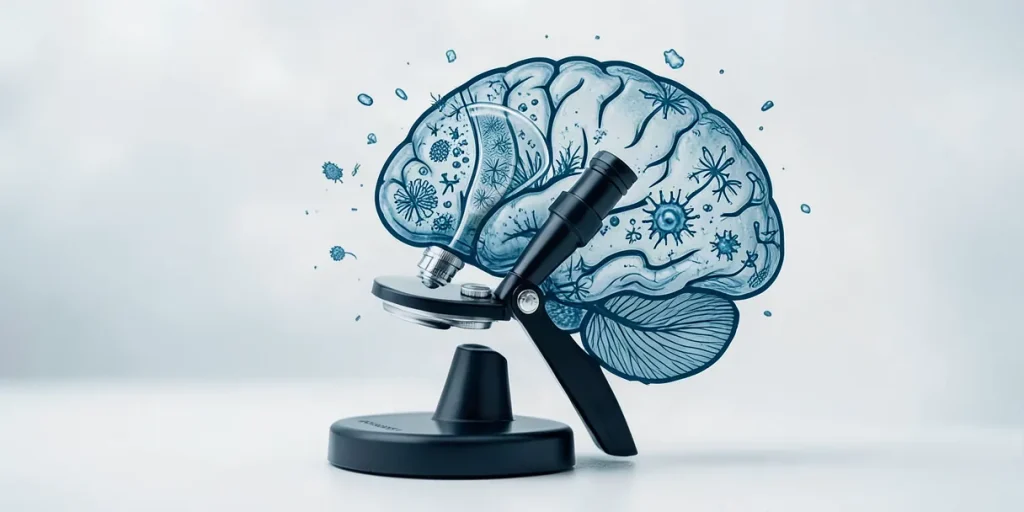
Gut Microbiota and ADHD: Direct Connections
Scientists from the Institute of Neurobiology of the Russian Academy of Sciences confirmed in 2026 that an imbalance in gut microbiota directly affects the manifestations of attention deficit hyperactivity disorder (ADHD) in children. An experimental study involving 120 children aged 6 to 12 showed that patients with ADHD had a 35% higher incidence of reduced diversity of bacteria from the Bifidobacterium genus.
The results, published in the journal «Pediatric Science,» are among the first to confirm the biochemical mechanisms linking the gut microbiome with neurobehavioral symptoms. This discovery is significant for developing new therapeutic strategies.
Mechanisms of Microbiota Influence on the Brain
The study revealed that changes in the composition of microbiota lead to altered levels of neurotransmitters such as dopamine and serotonin, which affect the child’s cognitive functions and behavior. Researchers used metabolomics and microbial DNA sequencing methods to establish a correlation between decreased Bifidobacterium and worsening attention and self-control.
Dopamine plays a key role in regulating attention and motivation, and its deficiency is closely associated with ADHD symptoms. The reduction of bacteria involved in synthesizing dopamine precursors may exacerbate neurological disorders, supporting the hypothesis of a microbiome-related cause in some ADHD cases.
Clinical and Therapeutic Prospects
The study employed probiotic therapy using the strain Bifidobacterium longum, which demonstrated a 20% reduction in hyperactivity symptoms after 8 weeks of administration. This opens prospects for using specialized probiotics as part of comprehensive ADHD treatment in children.
Additionally, doctors from St. Petersburg Children’s Clinical Hospital No.1 note that microbiota correction can reduce the need for medication, which is important for minimizing side effects and improving patients’ quality of life.
Implications for Parents and Educators
For parents of children with ADHD, the study emphasizes the importance of monitoring diet and gut health. A diet rich in prebiotics and probiotics, along with timely medical microbiota assessments, can become part of prevention and support strategies for the child.
Educators working with children with ADHD may consider the possible biological causes of attention and behavioral issues, which can help develop more effective educational and corrective programs tailored to individual needs.
Further Research and Challenges
Despite progress, scientists stress the need for large-scale clinical trials to confirm the effectiveness of microbiome interventions across different age groups. In 2026, an international project involving over 500 children from Russia, Europe, and Asia is planned to study the long-term effects of probiotics.
Simultaneously, standards for diagnosing microbiota in children with neurological disorders are being developed, which will allow these methods to be integrated into routine pediatric and neurology practice, enhancing the accuracy and personalization of ADHD treatment.
Conclusion: The research of 2026 opens new horizons in understanding and treating ADHD through gut microbiota correction, potentially significantly improving children’s quality of life.