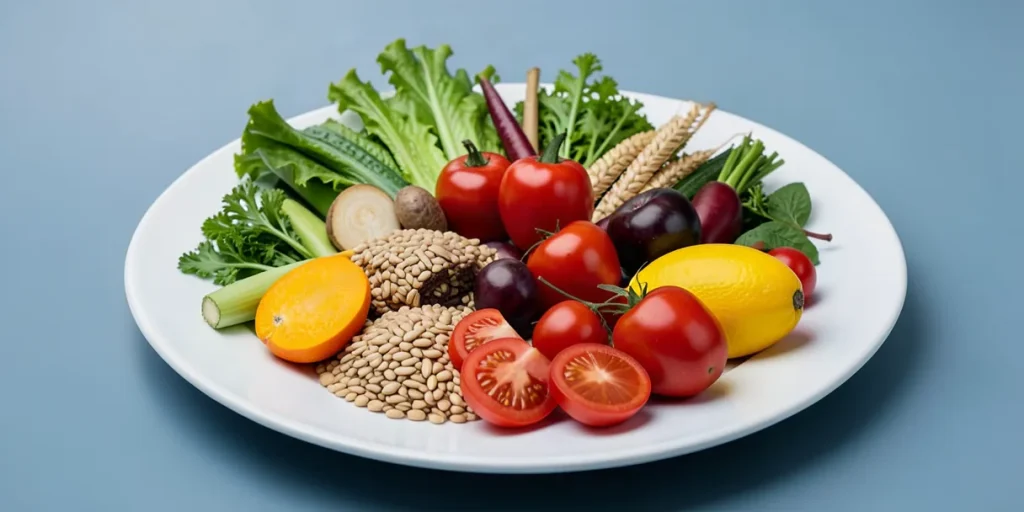
The glycemic index (GI) of foods is a numerical value that reflects the speed and level of glucose increase in the blood after consuming a particular product. A low GI promotes a gradual rise in blood sugar, which reduces the risk of developing diabetes and improves overall health. This is why monitoring GI in the diet is a key element in the prevention and management of diabetes.
What is the Glycemic Index and How Is It Measured?
The glycemic index is a scale from 0 to 100 that shows how quickly carbohydrates from a food are converted into glucose and enter the bloodstream. Pure glucose is taken as the standard, assigned a GI of 100.
GI Measurement Method
Testing is done in clinical settings: volunteers consume a portion of food containing 50 grams of digestible carbohydrates, and their blood glucose levels are measured over two hours after eating. The results are compared to the response to glucose.
- GI below 55 — low
- GI from 56 to 69 — medium
- GI 70 and above — high
Which Foods Have a Low Glycemic Index?
Low GI is characteristic of foods that digest slowly and cause a gradual increase in blood sugar levels.
Examples of Low-GI Foods
- Barley groats (GI around 45)
- Lentils (GI 30–40)
- Apples (GI around 38)
- Dairy products like natural yogurt (GI up to 35)
- Whole grain bread (GI 50–55)
Choosing such foods helps avoid sharp sugar spikes and improves carbohydrate metabolism.
How Does the Glycemic Index Affect Health and Diabetes Risk?
Regular consumption of high-GI foods is linked to an increased risk of developing insulin resistance and type 2 diabetes. A low glycemic index supports stable blood sugar levels and reduces the burden on the pancreas.
Mechanisms of Influence
A gradual rise in glucose stimulates appropriate insulin production and prevents hyperglycemia. This reduces inflammation and enhances cardiovascular system function.
- 30–50% reduction in type 2 diabetes risk on a low-GI diet (WHO 2026 data)
- 45% decrease in postprandial hyperglycemia when replacing white bread with whole grain bread
How to Use the Glycemic Index Correctly in Your Diet?
To effectively control blood sugar, it is important to consider not only the GI but also the glycemic load (GL), which takes into account the amount of carbohydrates in a serving.
Tips for Choosing Foods
- Prefer foods with a GI below 55
- Combine carbohydrates with proteins and fats to slow absorption
- Avoid high-GI foods such as white rice (GI around 73) and fried potatoes (GI up to 85)
| Food | Glycemic Index (GI) |
|---|---|
| White rice | 73 |
| Lentils | 35 |
| White bread | 75 |
| Whole grain bread | 50 |
| Apple | 38 |
| Honey | 65 |
Why Is It Important to Consider the Glycemic Index in Type 2 Diabetes?
For patients with type 2 diabetes, controlling GI helps avoid sharp blood sugar spikes, reducing the risk of complications and improving quality of life.
Practical Recommendations
- Use GI tables to plan meals
- Pay attention to food combinations and portion sizes
- Regularly monitor blood glucose levels
A balanced diet with low GI can reduce HbA1c — a key diabetes control marker — by 0.5–1% over 3 months when recommendations are followed.
How Does the Glycemic Index Affect Energy and Weight?
Low-GI foods provide a longer-lasting feeling of fullness and stable energy levels, helping control weight and prevent overeating.
Impact on Metabolism
Gradual glucose release supports steady metabolism, reduces insulin spikes, and promotes efficient fat burning.
- 15–20% weight loss on a low-GI diet over 6 months in overweight individuals
- up to 3 hours duration of satiety after a low-GI meal
Frequently Asked Questions
Is it possible to combine foods with different glycemic indexes in one meal?
Does the cooking method affect the glycemic index?
Can GI be used to choose fruits?
How often should blood sugar be checked when controlling GI?
Key Takeaways
- The glycemic index shows how quickly foods raise blood sugar levels.
- Foods with GI below 55 help prevent diabetes and maintain health.
- GI control is important for type 2 diabetes patients to reduce complications.
- Food combinations and preparation methods influence the overall glycemic effect.
- A low-GI diet helps control weight and provides stable energy levels.
Including low glycemic index foods in your diet is an effective way to maintain health, regulate blood sugar, and reduce the risk of chronic diseases. Conscious food choices and understanding GI principles can improve quality of life and enhance overall energy resilience.
Sources
- nhshop.ru — “Glycemic Index of Foods: Complete Table and List of Low-GI Products”
- medvisor.ru — “Glycemic Index of Foods: What It Is, Table with Examples”
- garadesud.md — “Glycemic Index of Cereals, Health Impact, Foods for Energy”
- pwcalc.ru — “Glycemic Index of Foods Table for Type 2 Diabetics Photo — PwCalc.ru”