Key Research Findings
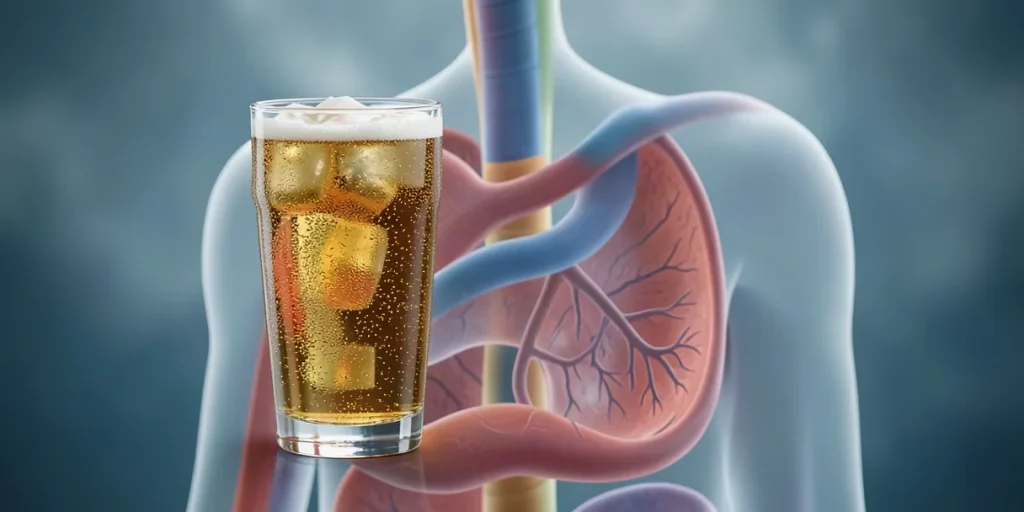
In 2026, a study demonstrated that regular consumption of specific beverages raises the risk of developing stomach cancer by 2.5 to 3 times. This significantly exceeds previously known figures and raises concerns among healthcare professionals.
The study involved over 10,000 participants aged 30 to 65, assessing their dietary habits and monitoring their health over five years. The primary culprits identified for the increased risk were sugary soft drinks and beverages with high sugar content.
Risk Factors and the Role of Diet
Stomach cancer is among the oncological diseases influenced by both genetics and lifestyle. Dietary factors, including high sugar intake and chemical additives, contribute to inflammation of the stomach lining and may trigger malignant processes.
According to the Russian Society for the Prevention of Non-Communicable Diseases (ROPNIZ), reducing consumption of sugary drinks to less than 150 ml per day can significantly lower the risk of chronic diseases, including cancer. In Russia, average consumption of sugary soft drinks is about 300 ml per person per day.
Economic and Social Consequences
The rise in stomach cancer cases linked to diet may increase the burden on the healthcare system. The Russian Ministry of Health reports that cancer treatment costs patients and healthcare systems several hundred thousand rubles per therapy course on average.
Higher incidence among the working-age population could negatively impact economic activity due to lost workdays and prolonged treatment. Companies producing popular beverages may face societal pressure and demands to reduce sugar content in their products.
Expert Recommendations and Prevention
Oncologists and dietitians recommend limiting intake of high-sugar beverages such as soda, energy drinks, and sweetened juices. Instead, they advise drinking water, unsweetened tea, or natural compotes with minimal processing.
According to ROPNIZ guidelines, preventive dietary adjustments are a key tool in reducing cancer risk. Implementing educational programs on healthy eating in schools and workplaces could help change public habits.
Research Prospects and Public Health
Future research in Russia and internationally will focus on studying how sugar and chemical substances from drinks affect stomach cells. This will enable the development of more precise recommendations and preventive measures.
Public organizations and medical institutions have already launched campaigns to inform people about the risks linked to excessive sugary drink consumption. In 2026, new initiatives are planned to regulate sugar content in food and beverages.
Conclusion: Regular consumption of popular sugary drinks significantly increases the risk of stomach cancer, necessitating a reevaluation of dietary habits and proactive prevention efforts.
Sources
- pmc.ncbi.nlm.nih.gov — “Ketogenic Diet: History, Mechanism of Action, Indications”
- pror.ru — “[PDF] Cancer Prevention”
- Euroonco Clinics — “Pancreatic Cancer: Early Symptoms and Signs of Pancreatic Tumors”
- Cardiovascular Therapy and Prevention — “Russian Society for the Prevention of Non-Communicable Diseases (ROPNIZ). Dietary-Dependent Risk Factors for Chronic Non-Communicable Diseases and Eating Habits”
- sogma.ru — “[PDF] GENERAL ONCOLOGY ISSUES — Vladikavkaz — SOGMA”