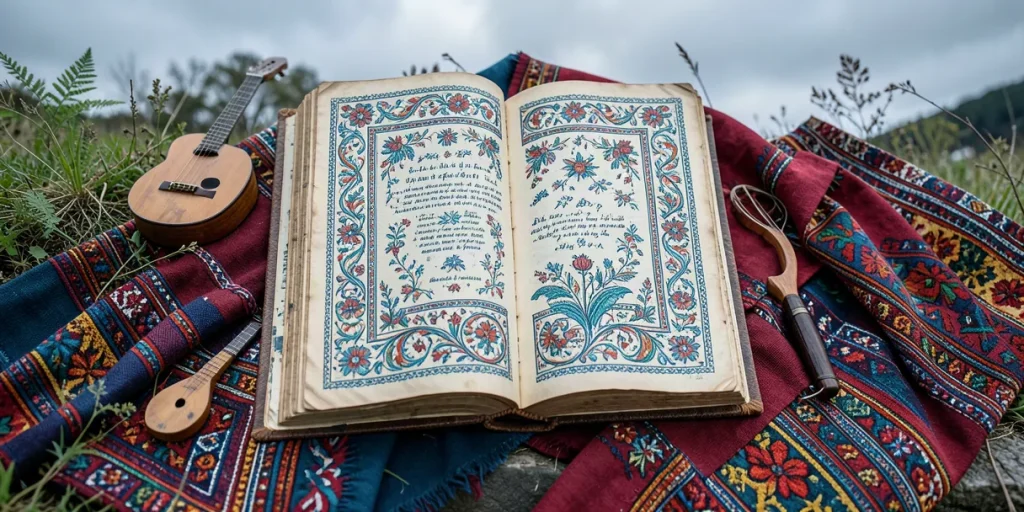
Introduction: How Russian Folklore Preserves Cultural Identity
Russian folklore is a living heritage rooted in deep antiquity that has played and continues to play a key role in shaping the cultural identity of the Russian people. It unites myths, fairy tales, songs, and rituals passed down orally through generations and only began to be recorded in writing from the 17th century onward. Contemporary Russian culture is rich with folkloric motifs that maintain a connection to historical roots despite globalization and technological progress.
Historical Stages in the Formation of Russian Folklore
The formation of Russian folklore passed through several important stages. The period from the 12th to the 17th century is characterized by active accumulation of oral traditions, including epic tales, legends, and ritual songs. The 17th century saw the first attempts to record folklore works, but systematic documentation only began in the 19th century.
Key Milestones in Development
- 17th century — first records in chronicles
- 19th century — systematic folklore collection by Alexander Afanasyev
- 1860s — introduction of Western scientific methods in research
- 20th century — use of folklore in literature and theater
One of the pioneers of recording and systematizing folklore was Alexander Afanasyev, who collected over 6,000 folk works, including fairy tales, proverbs, and songs, laying the foundation for further study.
| Period | Characteristics | Key Figures | Volume of Records |
|---|---|---|---|
| 12th–17th centuries | Oral dissemination, rituals, epics | Folklore communities | Unrecorded |
| 17th–19th centuries | First recordings and systematization | Alexander Afanasyev | 6,000+ works |
| 20th century | Use in literature, scientific study | Maxim Gorky, Vladimir Propp | Archive growth of 30% |
- 6,000+ works recorded by Afanasyev
- 1860s — period of active scientific interest
- 30% growth of folklore archives in the 20th century
The Role of Folklore in Preserving Cultural Identity
Folklore serves as a repository of collective memory and cultural codes, which is especially important for peoples with a rich tradition of oral creativity. It strengthens the sense of belonging to the national culture and helps transmit values and worldviews from generation to generation.
Mechanisms of Influence
- Oral tales form basic concepts of good and evil
- Figurative songs and dances sustain national distinctiveness
- Rituals and traditions help maintain a connection to nature and ancestors
For example, traditional holidays such as Maslenitsa still include many folkloric elements that contribute to strengthening nationwide consciousness.
The Influence of Folklore on Contemporary Literature and Art
Modern writers and artists actively use folkloric motifs to create new works, which contributes to the development of national culture in the context of globalization. In 19th and 20th-century literature, folklore became a source of plots and symbols.
Examples of Integration
- Works of Maxim Gorky inspired by folk tales
- Use of folkloric plots in film and theater, such as the movie «Viy» (1967)
- Contemporary musical groups like «Melnitsa,» which blend folklore with rock elements
In 2026, the «Russian Word» festival in Moscow gathered over 15,000 participants, promoting folk traditions and their modern interpretations.
Folklore and Education: Passing Traditions to New Generations
In recent decades, Russian educational institutions have placed greater emphasis on folklore as a means of fostering cultural self-awareness. Special courses dedicated to studying folk creativity have been integrated into schools and universities.
Educational Initiatives
- Course «Russian Folklore: Traditions and Modernity» at the Higher School of Economics
- School programs using folklore texts and theatrical performances
- Children’s folklore ensembles teaching over 10,000 children annually
In 2025, more than 70% of Russian secondary schools incorporated folklore elements into their curricula, increasing interest in history and culture.
Modern Technologies and Folklore: Challenges and Opportunities
The digital age opens new possibilities for preserving and disseminating folklore. Electronic archives, mobile apps, and online platforms make folk creativity accessible to a wide audience.
Technological Tools
- «Electronic Folklore» project with an archive of over 10,000 recordings
- Mobile app «Tales of Russia» with interactive elements
- Virtual museums and exhibitions collecting folkloric artifacts
However, digitization poses challenges in preserving authenticity and combating commercialization of traditions.
Frequently Asked Questions
When did systematic collection of Russian folklore begin?
What genres does Russian folklore include?
How does folklore influence modern culture?
What modern technologies are used to preserve folklore?
Key Takeaways
- Russian folklore developed from the 12th century and was systematically recorded in the 19th century.
- Alexander Afanasyev played a crucial role in preserving more than 6,000 folklore works.
- Folklore supports cultural identity and transmits generational values.
- Modern literature, music, and theater actively incorporate folkloric motifs.
- Educational programs include folklore study to nurture national self-awareness.
- Digital technologies open new opportunities but require preserving folklore’s authenticity.
Conclusion
The history of Russian folklore is the story of a people, their worldview, and cultural traditions that are preserved and continue to evolve today. The systematic collection and study of materials in the 19th century, the active use of folkloric motifs in contemporary art and educational initiatives, as well as the adoption of modern technologies, allow folklore to remain vibrant and relevant. In the era of globalization, folklore becomes an essential tool for preserving Russia’s national identity and cultural heritage.
Sources
- electives.hse.ru — «Russian Folklore: Traditions and Modernity»
- textbook.tou.edu.kz — «RUSSIAN ORAL FOLK CREATIVITY»
- cyberleninka.ru — «FOLKLORE AND ITS PLACE IN THE MODERN WORLD – scientific article on natural and exact sciences, read the full research paper online»
- dissercat.com — «Traditions of Russian Folklore in Modern Culture»
- arzamas.academy — «Folklore and the Surge of Interest in the Culture of Common People • Arzamas»