Updated: August 28, 2026
In 2026, the electric vehicle market in Russia is expected to see significant sales growth of 30%. This positive trend is driven not only by increasing consumer interest in eco-friendly transportation but also by the development of charging infrastructure and support from the government. These changes in consumer preferences open up new opportunities for manufacturers and dealers while contributing to a reduction in the country’s carbon footprint.
Every year, electric vehicles are becoming more accessible and attractive to Russian motorists. Leading global brands are actively introducing new models tailored to Russian realities, which undoubtedly boosts competitiveness in the market. Against the backdrop of global trends towards sustainability and environmental care, the demand for electric vehicles continues to rise, and 2026 promises to be a landmark year for this industry in Russia.
Current Trends in the Electric Vehicle Market
The electric vehicle market in Russia continues to show impressive growth rates. In the first half of 2026, the sales volume of new electric vehicles nearly doubled compared to the same period last year. It is expected that by the end of the year, total sales growth will reach 30%. This is linked to increasing consumer interest in electric vehicles and the introduction of new models that meet modern requirements and driver expectations.
One of the most popular models that has become a true sales hit is the Umo 5, developed by Yandex. This model combines modern technology and attractive design, making it particularly sought after in the Russian market. Following closely is the Qiyan Q05, which is entering Russia through parallel imports. Both vehicles attract buyers with their affordability and high comfort level, further boosting their popularity.
Interestingly, alongside the growth in new electric vehicle sales, there has been a 30% decrease in advertisements for used cars. This may indicate that electric vehicle owners are increasingly choosing to keep their cars, which is related to the growing popularity and improved quality of new models. Additionally, this could be associated with changing consumer attitudes towards electric vehicles, which are becoming more reliable and functional.
Thus, 2026 promises to be a turning point for the Russian electric vehicle market, with increasing sales volumes, rising popularity of certain models, and changes in consumer behavior. These trends underscore the importance of electric vehicles in the future transportation infrastructure of the country and open new opportunities for manufacturers and buyers.
Factors Contributing to Sales Growth
In recent years, there has been a significant increase in interest in ecology and sustainable development, which directly impacts the electric vehicle market in Russia. More and more people are becoming aware of the importance of reducing carbon footprints and transitioning to cleaner energy sources. This creates heightened demand for electric vehicles, which are considered one of the most effective ways to reduce negative environmental impacts. As a result, buyers are increasingly viewing electric vehicles as an alternative to traditional internal combustion engine cars.
Government support also plays a key role in the growth of electric vehicle sales. In 2026, various subsidy programs are in place in Russia aimed at lowering the purchase cost of electric vehicles for the end consumer. Measures such as tax incentives and subsidies for purchasing electric vehicles make them more affordable, which in turn attracts new buyers. This creates a positive backdrop for market development and contributes to an increase in the number of registered electric vehicles in the country.
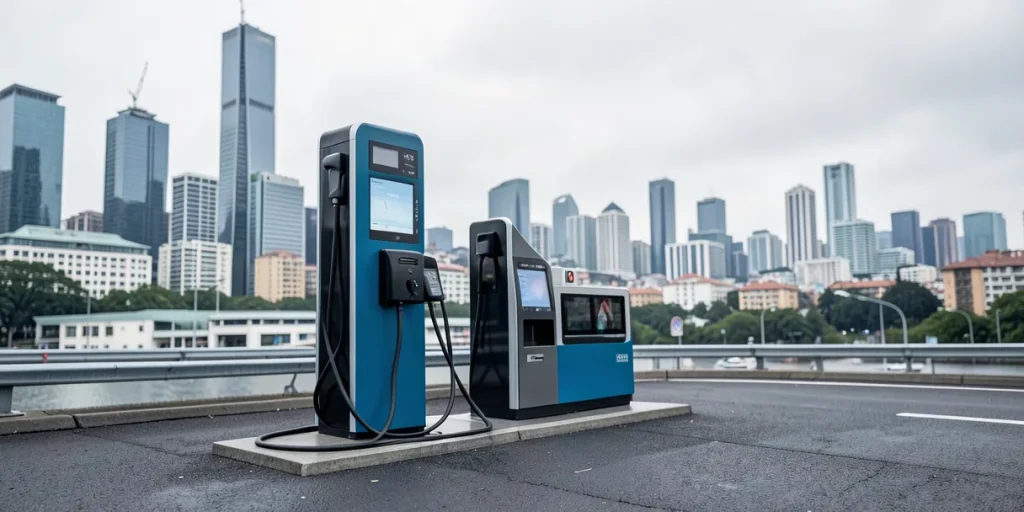
Moreover, the expansion of charging station infrastructure across Russia significantly facilitates the use of electric vehicles. The growing number of charging stations makes trips in electric vehicles more convenient and accessible to a wider audience. Established charging stations allow electric vehicle owners not to worry about the possibility of recharging, which is one of the main factors holding consumers back from switching to electric cars. As a result, the improvement of infrastructure, combined with increasing interest in ecology and government support, creates favorable conditions for the growth of the electric vehicle market in Russia.
Thus, the factors contributing to the growth of electric vehicle sales in 2026 include:
- Increased public interest in ecology.
- Government support and subsidies for buyers.
- Expansion of charging infrastructure across the country.
Prospects for the Development of the Electric Vehicle Market in Russia
In 2026, the Russian electric vehicle market demonstrates steady growth, and it is expected that by 2030, the number of registered electric vehicles in the country will reach 500,000. Such growth not only heralds an increase in consumer interest but also the development of infrastructure, which in turn creates favorable conditions for further market expansion.
The main factor contributing to this growth is government initiatives and programs aimed at supporting the transition to environmentally friendly types of transport. In recent years, Russian authorities have implemented various measures, including subsidies for purchasing electric vehicles, tax incentives, and the development of charging infrastructure. These initiatives help reduce the cost of owning electric vehicles and make them more accessible to a broader audience.
Furthermore, the interest of international manufacturers in the Russian market also plays an important role. In recent years, new electric vehicle models have started arriving in Russia, significantly increasing the choice for consumers. Examples of such models include the Umo 5 from Yandex and the Qiyan Q05, which have gained popularity due to their combination of affordable pricing and good technical specifications. This, in turn, stimulates competition and leads to improved quality of the offered vehicles.
Thus, the combination of government support, growing interest from manufacturers, and the increasing number of models on the market creates a positive trend for the electric vehicle sector in Russia. It is expected that demand for electric vehicles will continue to rise, contributing not only to ecological sustainability but also to the development of new technologies in the automotive industry.
Comparison with International Markets
In 2026, the electric vehicle market in Russia shows significant growth, which is forecasted to be 30% compared to previous years. This sales increase is associated with the growing consumer interest in electric vehicles, as well as the appearance of new models in the Russian market. While many countries, including Europe and the USA, have already made significant strides in developing electric vehicle infrastructure, Russia is just beginning this journey. Nevertheless, the growth in the number of registered electric vehicles in the country in recent years indicates that Russia is actively entering the global trend.
Comparing electric vehicle prices in Russia and Europe, it can be noted that domestic manufacturers strive to offer competitive prices. For instance, models like the Umo 5 and Qiyan Q05 have already gained popularity among Russian consumers due to their price-quality ratio. While electric vehicles in Europe often cost significantly more due to high taxes and duties, prices in Russia remain more affordable, which can stimulate sales growth in 2026.
Moreover, there is enormous potential for exporting Russian electric vehicles. Given the growing interest in eco-friendly transport and increasing production, Russian manufacturers can carve out their niche in international markets. Considering current trends such as decreasing prices for electric vehicles in Europe and active infrastructure development, Russia has every chance to become a significant player in this field. It is crucial to continue developing technologies and improving product quality to meet the needs of both domestic and foreign markets.
Thus, the Russian electric vehicle market is on the brink of significant changes. Sales growth, competitive prices, and export potential create favorable conditions for further development of this industry.
The Impact of New Technologies on the Market
In recent years, the electric vehicle market in Russia has shown impressive growth, aided by significant technological advancements. One of the key factors influencing the expansion of this segment is the development of battery technologies. Modern batteries are becoming increasingly energy-efficient and durable, which in turn increases the range of electric vehicles. Models that have entered the market in 2026 are capable of covering long distances on a single charge, making them more attractive to consumers. For example, new battery technologies allow for significantly reduced charging times, which is also an important aspect for drivers seeking convenience and efficiency.
The charging infrastructure continues to evolve, providing electric vehicle users with access to charging stations at every turn. In 2026, we are witnessing the active development of fast charging station networks, which are being installed not only in cities but also along major highways. This makes trips in electric vehicles more comfortable and safe, which, in turn, fosters greater interest in electric vehicles among a wider audience. The number of charging stations is expected to continue increasing, creating additional incentives for transitioning to electric transport.
The implementation of smart technologies also plays a crucial role in transforming the electric vehicle market. Modern electric cars are equipped with advanced management systems that provide a high degree of safety and comfort. Intelligent systems help drivers optimize energy consumption, choose the most cost-efficient routes, and monitor the vehicle’s condition in real-time. Thus, smart technologies not only enhance usability but also promote more efficient resource use, which is an important aspect in light of the growing demands for ecology and sustainable development.
Challenges and Issues for the Electric Vehicle Market
The electric vehicle market in Russia, despite the expected 30% sales growth in 2026, faces a number of serious problems and challenges that could slow its development. One of the main difficulties is the insufficiently developed charging infrastructure, especially in remote and rural areas. In major cities like Moscow and St. Petersburg, charging stations are becoming more accessible, but many regions remain poorly covered. This creates significant inconveniences for potential electric vehicle owners who may fear they will not be able to charge their cars when needed.
Additionally, the high cost of electric vehicles compared to traditional cars remains a barrier to the mass transition to eco-friendly transport. Although prices for electric vehicles are gradually decreasing, many models are still only accessible to a limited number of buyers. This issue can be particularly pronounced in times of economic uncertainty, when consumers try to save on large purchases.
Furthermore, it is important to raise public awareness about the advantages of electric vehicles. Many people are still unaware of how electric vehicles can reduce fuel and maintenance costs while also providing ecological benefits. Educational initiatives and advertising campaigns can play a key role in changing public opinion and stimulating demand for electric vehicles.
Thus, to achieve the expected sales growth of 30% in 2026, it is necessary to address several critical issues, including:
- Development of charging infrastructure in regions.
- Reduction of electric vehicle costs to expand accessibility.
- Increase in public awareness about the advantages of electric vehicles.
Only a comprehensive approach to these issues will help ensure sustainable development of the electric vehicle market in Russia and make it more appealing to a broader audience.
The Role of Manufacturers in Market Development
In 2026, the electric vehicle market in Russia shows significant growth, largely due to active efforts from both Russian and foreign manufacturers. Against the backdrop of increasing demand for electric vehicles, companies are striving to expand their model ranges and improve offerings for local consumers. The most notable player in the Russian market is the Umo 5 from Yandex, which has gained popularity due to its combination of affordability and modern technology. The Qiyan Q05 is also present in the market, imported through parallel imports, confirming the rising interest in diverse electric vehicle models.
Analysis of new models shows that buyers are increasingly interested in electric vehicles with extended ranges and modern features. Manufacturers, considering consumer preferences, are actively working to improve the performance of their models, including more powerful batteries and advanced energy management systems. This creates conditions for increasing sales, which have already nearly doubled in the first half of 2026 compared to the previous period. It is important to note that alongside new models, there is also a decrease in the number of offers in the secondary market, indicating a growing interest in new electric vehicles.
Marketing and sales strategies play a critical role in the development of the electric vehicle market. Manufacturers are actively using digital platforms to promote their models and are also implementing trade-in programs that make purchasing electric vehicles more attractive to consumers. Additionally, there is growing attention to charging station infrastructure, which also contributes to sales growth. Given the dynamic changes in the market, manufacturers must be ready to adapt to new conditions and offer innovative solutions to maintain buyer interest and ensure long-term growth.
The Future of the Electric Vehicle Market in Russia
In 2026, the Russian electric vehicle market is expecting significant growth, which heralds an increase in their share in the Russian automotive industry. It is anticipated that sales of new electric vehicles will grow by 30%, contributing to wider adoption of electric transport. Forecasts suggest that the number of registered electric vehicles in the country will continue to rise, evidenced by a 35% increase compared to the previous year. This indicates a growing interest from consumers in more eco-friendly and economically viable vehicles.
Global trends are also influencing the Russian market. With increasing attention to environmental issues and sustainable development, many countries are seeking to reduce carbon emissions, which in turn stimulates demand for electric vehicles. Major automakers, both domestic and foreign, are actively introducing new models tailored to Russian conditions, enhancing the accessibility of electric vehicles. For example, models like Umo 5 and Qiyan Q05 are becoming popular due to their combination of quality and reasonable pricing.
The prospects for startups and new companies in the electric vehicle sector look promising. The growing interest in electric vehicle infrastructure opens new business opportunities, including the development of charging stations and electric vehicle maintenance services. Additionally, considering the active growth of the market, startups can attract investment and thrive in a favorable competitive environment. This creates a wide range of opportunities for innovation and the implementation of new technologies in the automotive industry.
Overall, the future of the electric vehicle market in Russia appears promising, and its growth in the coming years could significantly change the landscape of the country’s automotive industry.
Frequently Asked Questions
What sales growth of electric vehicles is expected in 2026?
Which electric vehicle models are the most popular?
What is the charging station infrastructure like in Russia?
How does the government support the electric vehicle market?
What are the prospects for the electric vehicle market in Russia?
Key Takeaways
- Electric vehicle sales in Russia grew by 30% in 2026.
- Umo 5 and Qiyan Q05 became market leaders.
- Government support is driving interest in electric vehicles.
- The development of charging infrastructure plays a key role in the future of the market.
- Technological innovations impact range and usability of electric vehicles.
Sources
tadviser.ru, habr.com, rucars.ru, electro.cars, drom.ru