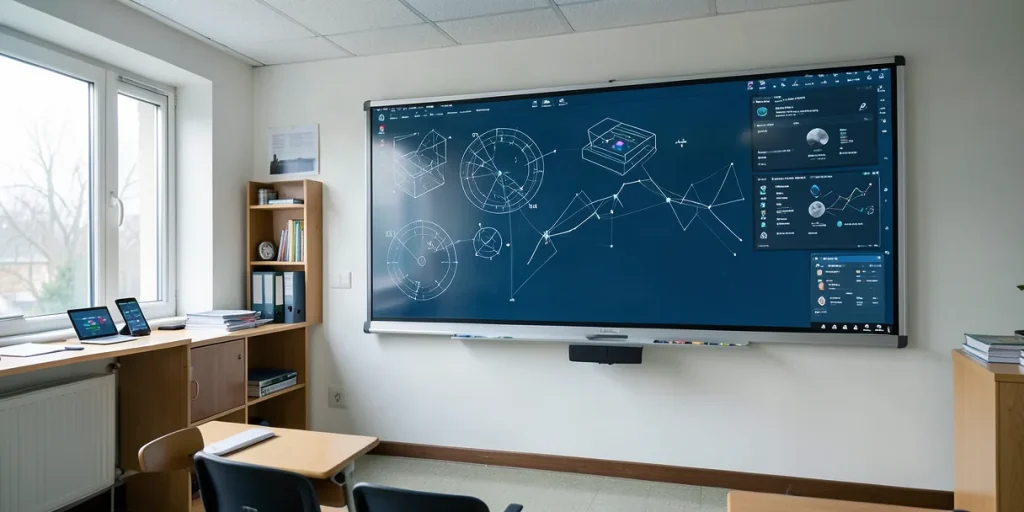
Technologies in education are becoming an integral part of the learning process, transforming it and opening new horizons for students and teachers. In 2026, we see how digital tools and innovative teaching methods not only simplify access to knowledge but also make it more interactive and personalized. From online courses to virtual reality, technologies are being implemented in educational institutions, creating truly unique conditions for acquiring new knowledge.
But how exactly do technologies in education change the learning process itself? They allow not only for a diversification of information delivery methods but also shape new approaches to knowledge assessment and interaction between students and teachers. In this article, we will explore how modern technologies influence the educational environment and what prospects they open for future generations.
Digital Opportunities
Modern technologies are radically changing approaches to learning, expanding access to educational resources through the internet. In the age of digitalization, students and teachers can easily find the necessary materials and information without being limited to traditional sources. Online libraries, open courses, and educational platforms provide unique opportunities for studying various topics. This allows students not only to deepen their knowledge but also to engage in self-education at their convenience.
The use of online platforms for remote learning has become particularly relevant in recent years. Platforms like Zoom and Moodle provide interaction opportunities between teachers and students, creating conditions for full-fledged learning even at a distance. Virtual classrooms allow for lectures, seminars, and practical sessions while maintaining a high level of student engagement. This format also contributes to the development of digital skills among learners, which is an important aspect of modern education.
The flexibility of the learning process is significantly increased thanks to mobile applications. Learning materials become accessible on smartphones and tablets, allowing students to learn anywhere and anytime. This approach promotes more effective information retention, as students can review material, watch video lectures, or complete assignments at their own pace. Mobile applications also often include interactive elements, making the learning process more engaging and motivating.
Thus, the digital opportunities provided by modern technologies not only make education more accessible and flexible but also open new horizons for learners. Every year, we observe how the educational process becomes increasingly interactive and personalized, which undoubtedly contributes to improved learning quality.
New Approaches to Learning
Modern technologies in education open new horizons for the learning process by introducing interactive methods that significantly change approaches to teaching. Traditional lectures, which often were monotonous and forgettable, are giving way to practical sessions and project-based activities. Classes become more dynamic, allowing students to actively participate in the process, ask questions, and receive instant feedback. The use of multimedia tools, such as videos, animations, and virtual reality, helps create an interesting and rich educational environment where material is perceived more easily and retained better.
Personalized learning using adaptive technologies is also becoming an important part of the modern educational process. Such approaches allow for consideration of the individual characteristics of each student, their level of preparedness, and learning style. Through specialized programs and platforms, teachers can offer assignments that meet the specific needs of students, facilitating more effective material comprehension. Adaptive technologies can analyze students’ successes and challenges, helping them progress at their own pace and avoid overloads.
Equally important is the role of the teacher, who now acts not only as a source of knowledge but also as a mentor and moderator of the educational process. In the context of the new approach to learning, teachers become guides, helping students find information and develop critical thinking. They create conditions for discussions, encourage research activities, and assist students in forming their own opinions on various issues. This change in the role of educators fosters more democratic and flexible relationships between teachers and students, which certainly has a positive impact on the quality of education.
Thus, new approaches to learning based on modern technologies not only make the educational process more accessible and interesting but also help students develop the skills necessary for successful life in a rapidly changing world.
Innovative Tools in the Learning Process
Technologies in education: how they change the learning process.
Modern educational technologies actively introduce innovative tools that significantly transform the learning process. One of the most striking examples is virtual (VR) and augmented reality (AR), which create an immersive experience for students. They allow learners not only to study theory but also to immerse themselves in interactive environments where complex concepts and ideas can be visualized. For example, in biology classes, students can explore human anatomy by observing organs in 3D format, significantly improving material understanding and aiding information retention.
Another important aspect is educational applications that offer interactive learning methods. These applications make the learning process more engaging and accessible. Students can interact with educational material by completing assignments and tests at their own pace. Software often includes gamification, which enhances motivation and student involvement. For instance, the use of language learning applications, such as interactive trainers, allows learners to practice in real-time and receive instant feedback.
Additionally, multimedia materials play a key role in information retention. Videos, animations, and interactive presentations make lessons more dynamic and interesting, improving visual perception and reducing mental strain on students. Research shows that the use of multimedia resources fosters deeper understanding and longer retention of educational material.
The integration of all these technologies into the learning process allows for the formation of new approaches to education, making it more flexible and adaptive to students’ needs. Teachers become not only knowledge transmitters but also mentors who help students autonomously find information and develop critical thinking. Thus, technologies not only enrich the educational process but also create new opportunities for the development of the educational environment.
Changes in Student-Teacher Relationships
Changes in student-teacher relationships.
With the introduction of technologies into the educational process, communication between students and teachers has become significantly easier and more effective. Modern platforms and messaging applications allow educators to instantly share educational materials, respond to questions, and provide feedback. This creates a more open and accessible communication space where students can freely express their thoughts and ask questions without fear of judgment. As a result, relationships become more democratic, and interactions become more productive.
Technologies also influence group work and collaboration among students. The use of online platforms for collaborative projects and assignments helps learners develop teamwork skills, which is an important aspect of modern education. Working in groups, students learn to share opinions, discuss ideas, and reach consensus. This not only promotes a deeper understanding of the material but also fosters social skills that will be beneficial for them in the future.
Increased student engagement in the learning process is another significant effect of technology implementation. Interactive methods, such as multimedia presentations, video materials, and virtual reality, make learning more interesting and dynamic. Students become active participants in the educational process rather than passive listeners. This boosts their motivation and interest in studying, which in turn contributes to better knowledge retention and the development of critical thinking.
Overall, changes in the relationships between students and teachers, driven by the introduction of technologies, open new horizons for education. Educators become not only knowledge transmitters but also mentors who guide students through the vast flow of information and help them develop the necessary skills for successful living in the modern world.
Challenges and Issues of Digital Education
Digital education opens up many opportunities, but it also brings serious challenges and issues. One of the key tasks is the need to enhance digital literacy among both educators and students. In the context of rapid technological developments, teachers must not only master modern educational tools but also adapt their teaching methods to new conditions. This requires continuous learning and self-improvement, which can become a significant burden for educators, especially in conditions of limited resources and time.
Another important aspect is the risk of digital inequality. Although technologies make education more accessible, not all students have equal access to the necessary resources. In some regions of the country, access to the internet and modern gadgets remains limited, creating a gap between students from different social and economic backgrounds. This inequality can negatively affect the quality of education and material comprehension, as students without access to digital technologies find themselves at a disadvantage.
Moreover, issues related to motivation and self-organization among students also become relevant in digital learning. Remote formats and technologies, while providing greater freedom, can lead to a decrease in personal responsibility among students for their learning process. Virtual classrooms and online courses require a high degree of self-organization and discipline from learners, which is not always easily achievable. As a result, some students may struggle to maintain attention and motivation, complicating their learning.
Thus, for the successful integration of technologies into the educational process, it is necessary to overcome these challenges by ensuring teacher training, technology accessibility, and supporting student motivation. Otherwise, the potential of digital education will remain underutilized.
The Future of Education: Predictions and Trends
The future of education: predictions and trends.
Blended learning is becoming the new standard in the educational process, combining traditional methods with modern technologies. This approach allows students to flexibly combine online and offline formats, making learning more accessible and personalized. In the context of globalization and constant access to information, teachers are transforming into mentors who help students navigate the vast array of data and find solutions independently. Blended learning not only increases student engagement but also helps develop critical thinking and self-education skills.
The integration of artificial intelligence (AI) into educational processes represents a significant step forward. AI can analyze each student’s learning style, suggest adaptive materials, and even predict potential difficulties. This enables teachers to tailor the learning process more accurately to the individual needs of students. Interactive platforms with AI elements offer engaging and innovative ways to present information, facilitating better understanding of educational material.
Moreover, the importance of soft skills — skills necessary for effective communication, teamwork, and problem-solving — is growing in modern curricula. Education is no longer limited to the transmission of knowledge but is also focused on developing personal qualities in students. Teamwork, creative thinking, and adaptability are becoming important components that will help graduates successfully integrate into the rapidly changing labor market.
Thus, the future of education appears to lie in the combination of technologies and humanitarian skills, creating a more balanced and effective educational environment. It is essential for educational institutions to adapt to these changes by implementing new approaches and methodologies that meet the requirements of modern society.
Global Trends in Educational Technology
Technologies in education: how they change the learning process.
One of the key global trends in educational technology is the expansion of international cooperation in education. Modern platforms and online resources allow institutions to exchange knowledge, experience, and best practices, contributing to the creation of higher quality educational programs. Students from different countries can participate in joint projects, exchange experiences and cultures, thereby enriching their knowledge and skills. This cooperation also opens access to resources and materials that were previously unavailable due to geographical or financial constraints.
Globalization significantly influences the content of educational programs. In a rapidly changing world, flexibility and adaptability are required, which is reflected in educational standards. Programs are becoming more international, emphasizing intercultural competence, which is essential for preparing students to work in multinational teams. Basic skills, such as critical thinking and collaboration, are becoming priorities in education, which is also a response to the challenges of the globalized labor market.
The popularization of educational technologies in developing countries also deserves attention. In recent years, there has been an increase in the accessibility of internet technologies, allowing educational institutions to implement innovative teaching methods. Mobile applications, online courses, and virtual classrooms are becoming available to a wider audience. This not only raises the level of education in these countries but also helps reduce inequality in access to quality education.
Thus, modern technologies open new horizons for the educational process, making it more accessible, flexible, and focused on the needs of learners. It is important for educational institutions to continue adapting to these changes by implementing innovative approaches and supporting international cooperation.
Evaluation of the Effectiveness of New Methods
Evaluation of the effectiveness of new methods.
Modern educational technologies provide unique opportunities for assessing the quality of learning. Traditional methods based on oral and written exams often do not reflect the actual level of material comprehension. In contrast, digital approaches allow for the use of diverse tools for monitoring and analyzing students’ progress. For instance, online learning platforms can track student activity, their successes in completing assignments, and interaction with educational content. This allows educators to receive instant feedback and make necessary adjustments to the learning process.
Comparing traditional and digital methods shows that the latter have several advantages. Digital technologies ensure interactivity and accessibility of materials, promoting a deeper understanding of the topic. Students can study information at their own pace, while teachers can employ various methodologies tailored to the individual needs of learners. Traditional methods, on the other hand, can sometimes be more structured but often do not take into account the diversity of learning styles.
Analyzing successful cases of technology implementation in the learning process illustrates tangible results. For example, in some schools, the use of virtual reality has increased students’ interest in subjects related to natural sciences. Interactive platforms, such as educational applications and online courses, demonstrate that learners become more involved in the learning process and better retain information. These examples emphasize that the thoughtful application of technologies can significantly enhance the quality of the educational process.
Thus, modern methods of assessing the quality of educational technologies are becoming increasingly diverse and effective. They not only help identify strengths and weaknesses in learning but also contribute to creating a more democratic and flexible educational environment.
Frequently Asked Questions
How do technologies affect student motivation?
What are the main advantages of distance learning?
Are there risks associated with using technologies in education?
Key Takeaways
- Modern technologies make education more accessible and flexible.
- Interactive learning methods contribute to better material retention.
- The role of the teacher is changing — they are becoming mentors and moderators.
Sources
olimp-plus.ru, lectera.com, Media Netology, Expert, 7ya.ru
