Updated: August 27, 2026
In today’s sports world, technology plays a key role in enhancing training efficiency and achieving new athletic heights. Sports technologies, ranging from smartwatches to specialized applications, have become an integral part of athletes’ lives, allowing them not only to track their achievements but also to optimize their training processes. How exactly do new gadgets help athletes succeed? This is a question that concerns many, and we will attempt to answer it in our article.
Innovative devices can collect and analyze vast amounts of data, enabling coaches and athletes to make more informed decisions. For instance, heart rate monitoring technologies, GPS trackers, and video surveillance systems help identify weaknesses in the training process and adjust it accordingly. In this article, we will explore how sports technologies are transforming training approaches and contributing to outstanding results across various disciplines.
Gadgets in Sports: What Are They?
Gadgets in Sports: What Are They?
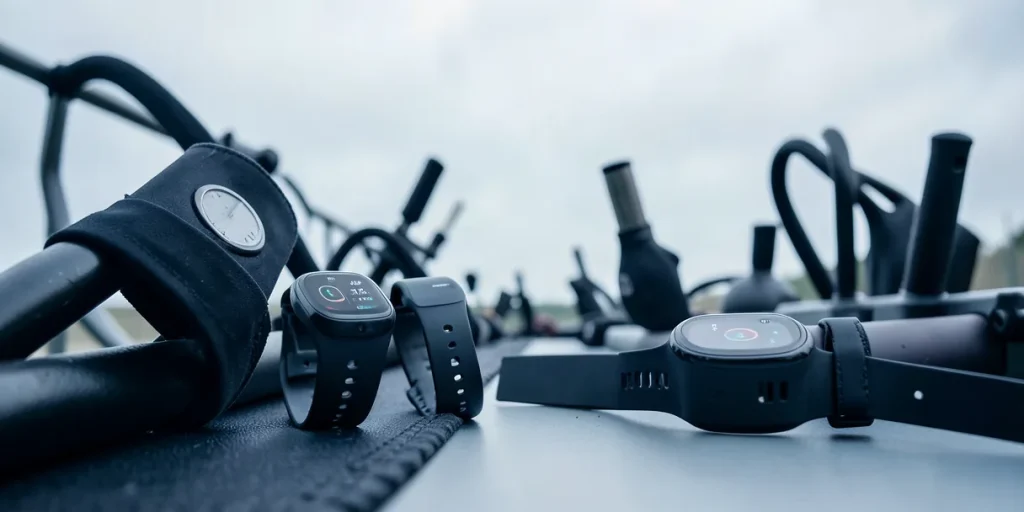
Modern wearable technologies play a crucial role in the sports industry, providing athletes with the ability to optimize their training and achieve better results. Wearable devices such as fitness trackers, smartwatches, and heart rate monitors allow athletes to track their physical metrics in real time, including heart rate, activity level, and sleep quality. This data not only helps improve training effectiveness but also reduces the risk of injuries and overexertion.
Fitness trackers and smartwatches have become indispensable assistants for many athletes and active lifestyle enthusiasts. They gather information about daily activity, including the number of steps taken, distance covered, and calories burned. Heart rate monitors provide a deeper analysis of the body’s condition, allowing athletes to control training intensity and tailor it to their individual needs. These devices can also track recovery after physical exertion, which is a critical aspect of athletic training.
The operation of wearable gadgets is based on the use of various sensors and technologies that collect and analyze data about the user’s physical state. For example, many devices utilize optical sensors to measure heart rate, as well as accelerometers to determine activity levels. This data is then transmitted to smartphones or specialized applications, where athletes can receive detailed reports on their training and progress. This allows for the development of personalized training approaches, significantly increasing the chances of achieving set goals.
Thus, wearable technologies are becoming an essential tool in the arsenal of modern athletes, enabling them not only to monitor their condition but also to make informed decisions aimed at achieving high sports results.
Advantages of Using Sports Technologies
Modern sports technologies significantly impact training processes, allowing athletes to optimize their efforts and achieve better results. One of the key advantages of using new gadgets is the ability to collect and analyze data in real time. Wearable devices such as fitness trackers and smartwatches can monitor crucial parameters, including heart rate, blood oxygen levels, and even sleep quality. This data helps coaches and athletes adapt training programs to individual needs, thereby increasing overall training effectiveness.
Individualized approaches to training and recovery become possible through detailed analysis of the collected information. Each athlete has unique physiological characteristics, and modern technologies allow these aspects to be considered when developing training plans. For example, if data indicates that an athlete is showing signs of overexertion, the coach can adjust the load by increasing recovery time or altering training intensity. This not only helps improve results but also supports the long-term development of the athlete.
Moreover, the use of sports technologies significantly reduces the risk of injuries and overexertion. Real-time monitoring of an athlete’s condition allows potential problems to be identified before they arise. For instance, if sensors detect anomalies in the metrics, the coach can intervene promptly and suggest necessary measures, such as adjusting training regimens or adding recovery procedures. This is especially relevant in highly competitive environments, where every detail matters.
The implementation of virtual and augmented reality technologies also opens new horizons for training. Athletes can use these technologies to simulate various game situations and practice skills in a safe environment, which enhances their confidence and improves their game qualities. Ultimately, modern sports technologies not only make training more effective but also help athletes reach new heights while maintaining health and preventing injuries.
Real-Time: Impact on Training
Modern technologies in sports are rapidly evolving, and one of the most significant directions is the ability to track vital parameters in real time. Wearable devices, such as fitness trackers and smartwatches, allow athletes to receive data on heart rate, blood oxygen levels, and other important parameters. This data not only helps athletes monitor their condition but also provides coaches with valuable information for making informed decisions regarding the training process.
Analyzing current data allows for the adaptation of training programs based on the athlete’s physical condition. For example, if a device detects increased fatigue levels or abnormalities in heart rhythm, the coach can adjust the load to prevent overexertion and reduce the risk of injuries. This individualized approach to training promotes more effective recovery and improved athletic performance.
Examples of successful application of such technologies can be found in various sports. In athletics, for instance, athletes use sensors to analyze running biomechanics, which helps improve technique and increase speed. In team sports such as soccer and basketball, coaches employ analytical platforms to assess players’ physical activity on the field, enabling better planning of tactics and game strategies.
Thus, the impact of modern gadgets on training cannot be overstated. They not only help athletes reach new heights but also make the preparation process safer and more effective. Sports technologies open new horizons for professionals and amateurs alike, promoting the overall development of sports.
Virtual and Augmented Reality in Sports
In recent years, virtual reality (VR) and augmented reality (AR) have become integral parts of the sports industry, changing training approaches and enhancing athlete preparation efficiency. These technologies allow for the creation of immersive training programs that help athletes develop skills, improve tactical thinking, and increase their level of engagement with the game. For example, with the help of VR simulations, athletes can practice complex game situations, allowing them to not only improve their technical skills but also prepare mentally for real competitions.
The use of VR in training is particularly relevant for team sports like soccer or basketball. Athletes can immerse themselves in a virtual environment where various game strategies and scenarios are practiced. This helps them better understand their opponent’s tactics and improve overall team cohesion. Moreover, VR training can be tailored to the individual needs of each player, providing a personalized approach to development.
Augmented reality also opens new horizons in sports training. With AR technologies, coaches can overlay visual cues and annotations onto the real field, allowing athletes to see ideal positions for executing shots or passes. This significantly accelerates the learning process and makes it more interactive. Furthermore, AR can be used for analyzing athletes’ movements, providing them with instant data on exercise technique and allowing for on-the-fly adjustments.
The main advantages of VR and AR in sports training are as follows:
- Interactivity: Athletes can interact with the virtual environment, making training more engaging.
- Real-time analytics: Technologies enable data collection and analysis on performance, allowing for quick adjustments in training.
- Personalization: Individual training programs based on the needs and capabilities of each athlete.
- Safety: The ability to practice maneuvers and tactics without the risk of injury.
Thus, VR and AR not only change the approach to training but also significantly increase athletes’ chances of success in competitions.
Trends in Sports Technologies for 2026
Sports Technologies: How New Gadgets Help Athletes Achieve Success
Trends in Sports Technologies for 2026
Modern wearable technologies continue to transform the sports industry, providing athletes with the opportunity to more effectively track their metrics and optimize training. In 2026, significant attention is focused on the development of fitness trackers, smartwatches, and other wearable devices that collect data on vital parameters such as heart rate, blood oxygen levels, and even sleep quality. These gadgets not only record information but also analyze it in real time, allowing coaches and athletes to adapt training plans based on current results and physical conditions. This creates a personalized approach that significantly enhances training efficiency and promotes faster recovery.
The prospects for utilizing artificial intelligence in data analysis also look promising. AI-based systems can process vast amounts of data obtained from wearable devices and identify patterns that are difficult for humans to notice. This not only optimizes the training process but also develops strategies to improve athletic performance. Artificial intelligence is already being applied in the analysis of training and competition videos, allowing athletes to better understand their strengths and weaknesses and work on them purposefully.
The impact of new technologies on sports competitions and records is becoming increasingly noticeable. Athletes using modern gadgets and analytical platforms can achieve results that were previously thought to be unattainable. For example, advancements in virtual and augmented reality allow for the creation of simulations that help athletes train in conditions close to real competitions. This not only enhances the level of preparation but also contributes to the setting of new records.
Thus, 2026 promises to be filled with new technologies and innovations in the world of sports, opening new prospects for athletes and coaches striving for success.
Challenges and Issues of Technology Implementation
Modern sports technologies undoubtedly open new horizons for athletes; however, their implementation is associated with a number of significant problems and challenges. One of the most pressing issues is the privacy of athletes’ data. Wearable devices that collect information about physical metrics can become targets for misuse. It is essential to ensure reliable protection of personal information to avoid unauthorized access and use of data that could affect athletes’ reputations and careers.
Another important issue is the need for training both coaches and athletes in the use of new technologies. Innovative gadgets require specific knowledge and skills for effective application. Without proper training, even the most advanced devices can prove to be useless. Coaches need to be prepared not only to educate but also to adapt their methods to integrate new technologies into the training process. This may require significant time and financial resources.
Moreover, the integration of new solutions into traditional training poses a considerable challenge. Many athletes and coaches are accustomed to established preparation methods and may be skeptical about changes. New technologies require a reevaluation of familiar approaches, which can lead to resistance and dissatisfaction. Additionally, it is essential to consider that not all sports equally embrace innovations, and in some cases, the implementation of technologies may be hampered by the specifics of the discipline.
Thus, although technologies offer many advantages for athletes, their successful implementation requires a comprehensive approach and attention to issues related to data security, education, and changes in training processes. Addressing these challenges will be a key factor in achieving the maximum effectiveness from the use of sports technologies.
The Future of Sports Technologies
Modern sports technologies continue to evolve at an incredible pace, and in the coming years, we can expect even more significant changes. One of the main directions will be the further improvement of wearable devices such as fitness trackers and smartwatches. These gadgets already assist athletes in tracking vital metrics in real time, and in the future, they will feature even more advanced functions. For example, the use of artificial intelligence for analyzing collected data will contribute to the creation of personalized training plans, making workouts more effective and safe.
Startups in the sports industry also have great opportunities for implementing new solutions. We can expect the emergence of innovative applications and platforms that will utilize virtual and augmented reality technologies to create unique training programs. Such interactions will not only make workouts more engaging but also help athletes develop skills in conditions closer to real competitions. These technologies could become an important tool for preparing athletes for high achievements.
Furthermore, technologies may change the overall attitude towards sports and training. Increasing access to health and physical condition data will allow many people to become more conscious about their approach to physical activity. Wearable devices will not only assist athletes but also motivate sports enthusiasts to monitor their health and achieve new heights. This could lead to a growing interest in sports as a whole and a more active lifestyle among the population.
In conclusion, the future of sports technologies promises many exciting opportunities. We can expect the advent of increasingly smart gadgets that not only optimize training but also make sports more accessible and engaging for everyone. Technologies will not only change the training process for athletes but also shape a new societal attitude towards sports as an essential component of a healthy lifestyle.
Case Studies of Successful Athletes
Case Studies of Successful Athletes
Modern technologies have become an integral part of sports training, and their impact on athletes’ results is hard to overestimate. One vivid example is the use of wearable devices such as fitness trackers and heart rate monitors that help athletes monitor their condition in real time. These gadgets allow not only tracking key metrics such as heart rate and blood oxygen levels but also analyzing data to optimize training loads. For instance, an Olympic champion in athletics uses special watches to monitor his training, allowing him to adjust his regimen timely and avoid overexertion.
Virtual and augmented reality technologies are also finding their place in the training process. They allow athletes to immerse themselves in various competition scenarios, which enhances their preparation for real conditions. For example, a renowned tennis player uses VR simulators to practice serves and tactical maneuvers, enabling him to improve his technique without needing to step onto the court. This significantly reduces the time spent on physical preparation, allowing for a focus on the strategic aspects of the game.
Analysis of results obtained through modern technologies shows that athletes who actively use gadgets achieve higher results. Data from durable devices help coaches develop individual training programs that take into account each athlete’s unique characteristics. This allows not only to reach new heights but also to prolong athletes’ careers by minimizing the risk of injuries. In the future, such approaches will become standard in sports training, opening new horizons for future generations of athletes.
Thus, modern gadgets and technologies not only facilitate the training process but also create new opportunities for achieving outstanding results. Their application in sports is not just a step forward but a guarantee of a successful future for new generations of athletes.
Frequently Asked Questions
What are the main gadgets used by athletes?
How do technologies impact athletes’ results?
Will sports technologies continue to evolve in the future?
How does virtual reality assist in training?
Are there challenges with using sports technologies?
Key Takeaways
- Wearable technologies significantly optimize training.
- Individualized approaches to training enhance efficiency.
- VR and AR open new opportunities for the training process.
- Technologies can change the sports industry in the coming years.
- The challenges of technology implementation require attention and resources.
Sources
inalmaty.kz, catapult.com, apni.ru, cyberleninka.ru, 7universum.com
