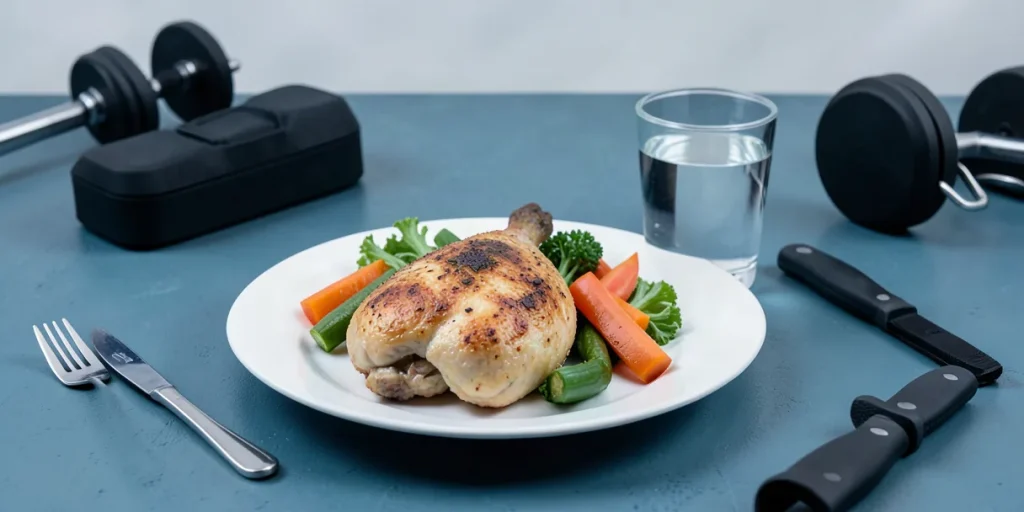
Recovery from sports injuries directly depends on the quality and regimen of nutrition. Properly selected foods provide the body with the essential building blocks for tissue regeneration and inflammation reduction, which shortens rehabilitation time. This article explores which foods and dietary routines promote effective recovery for athletes after injuries.
The Role of Proteins in Muscle and Tissue Recovery
Proteins are crucial elements for repairing damaged muscles and ligaments. They consist of amino acids involved in synthesizing new cells and accelerating tissue regeneration processes.
Important Sources of Protein
- Chicken breast — contains about 31 g of protein per 100 g, costing roughly 350 ₽ per kilogram;
- Low-fat cottage cheese — 18 g of protein per 100 g, priced around 250 ₽ for 400 g;
- Chicken eggs — 13 g of protein per 100 g, average price 90 ₽ per dozen;
- Fish (salmon, cod) — 20–25 g of protein per 100 g, prices start at 500 ₽ per kilogram.
For athletes, it is important to consume between 1.5 and 2.0 g of protein per kilogram of body weight during rehabilitation, significantly higher than the usual norm, to ensure effective recovery.
Vitamins and Minerals: Supporting Immunity and Reducing Inflammation
Recovery after injuries involves inflammatory processes that can be managed through proper nutrition rich in micronutrients.
Key Vitamins and Minerals
- Vitamin C — promotes collagen synthesis, important for ligaments and tendons. Recommended daily dose up to 100 mg. Sources: kiwi, bell peppers, citrus fruits;
- Vitamin D — improves calcium absorption and strengthens bones. Daily norm up to 20 mcg. Sources: fatty fish, eggs, fortified dairy products;
- Calcium — a building block of bones, daily norm around 1000 mg. Sources: dairy products, broccoli;
- Zinc — supports immunity and tissue regeneration. Daily norm 8–11 mg. Sources: meat, nuts, seeds.
Hydration: The Importance of Water for Metabolic Processes
Maintaining optimal fluid levels in the body is critical for supporting metabolism and transporting nutrients to damaged tissues.
Recommended Amounts and Drinks
- Average daily water intake for athletes during rehabilitation should be 2.5–3.5 liters;
- Isotonic drinks containing electrolytes help restore balance and accelerate regeneration processes;
- Avoiding alcohol and excessive caffeine is important for maintaining hydration.
Eating Regimen: Frequency and Meal Sizes
For accelerated recovery, not only the choice of foods but also the eating regimen matters. Frequent, smaller meals maintain stable energy levels and provide a constant supply of necessary nutrients to tissues.
Optimal Nutrition Structure
- 5–6 meals per day, spaced every 3–4 hours;
- Balanced proteins, fats, and carbohydrates in each meal;
- Including light snacks rich in protein and vitamins (e.g., yogurt, nuts, fruits).
Comparison of Key Recovery Foods
| Product | Protein per 100 g | Price (₽/kg) | Key Micronutrients |
|---|---|---|---|
| Chicken breast | 31 g | 350 | Zinc, selenium |
| Low-fat cottage cheese | 18 g | 625 (per 400 g) | Calcium, vitamin B12 |
| Eggs | 13 g | 900 (per dozen) | Vitamin D, selenium |
| Salmon | 25 g | 500 | Vitamin D, omega-3 fatty acids |
- 2.0 g/kg — recommended protein intake during rehabilitation
- 3.5 L — maximum daily fluid intake for athletes
- 100 mg — daily dose of vitamin C for collagen recovery
- 350 ₽ — average price per kilogram of chicken breast
Frequently Asked Questions
Which foods best help reduce inflammation after injuries?
Can supplements speed up recovery?
How to calculate protein intake for recovery?
Should carbohydrates be limited during recovery?
Key Takeaways
- Protein is the main building material for muscle and ligament recovery, with a necessary intake up to 2 g per kilogram of body weight.
- Vitamins C and D, along with minerals calcium and zinc, play vital roles in regeneration and inflammation reduction.
- Hydration up to 3.5 liters per day supports metabolic processes and nutrient transport.
- A frequent eating schedule of 5–6 meals ensures steady supply of energy and micronutrients.
- Choosing foods high in protein and micronutrients, such as chicken breast, cottage cheese, eggs, and salmon, optimizes recovery.
Recovery from sports injuries is a complex process requiring a comprehensive approach where nutrition plays a key role. Adhering to recommended intakes of proteins, vitamins, and minerals, along with maintaining hydration, significantly shortens rehabilitation time and helps return to training with minimal setbacks. Individual selection of foods and dietary regimens should consider the type of injury, workload intensity, and the athlete’s specific characteristics.
Sources
- voprosy-pitaniya.ru — “The Role of Nutrition in Preventing Bone Metabolism Disorders in Elite Sports”
- medanta.org — “The Path to Recovery: Treatment and Rehabilitation Strategies After Sports Injuries”
- Blog — “Foods for Recovery After Injuries”
- mpclinic.com.ua — “The Impact of Nutrition on Rehabilitation After Stroke and”
- Medical Center CAM — “Rehabilitation After Injuries: Stages and Methods”