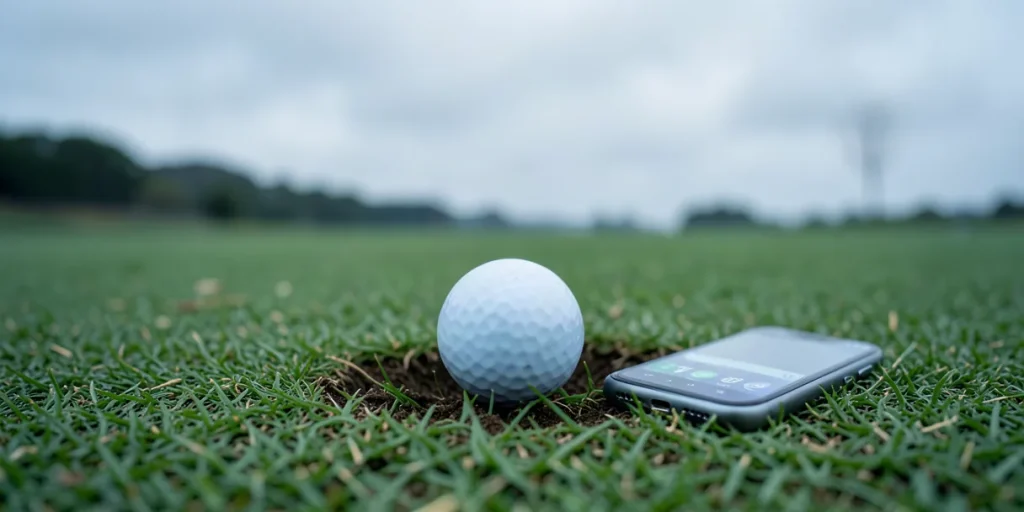
The final, fifth stage of the Golden Ball junior golf tour teed off on Thursday, October 1, at Moscow Country Club in Nakhabino. The tournament concludes the season’s competition series and brings together young players who meet the age and handicap requirements. Participants playing stroke play must keep digital scorecards on their smartphones, allowing fans to follow the results on an interactive scoreboard.
Who Is Eligible to Compete
Boys and girls born between 2008 and 2019 may compete in the tournament. To take part, players must have a verified, active exact handicap of 54.0 or lower—a measure of playing ability that helps compare results among athletes with different levels of experience.
The Golden Ball is played in a maximum-score format, without handicap adjustments. For participants playing stroke play, digital scorecards are a required part of the competition: the information entered is displayed on an interactive scoreboard, allowing spectators to follow the tournament in real time.
The Tournament Series and Its Courses
The junior tour consists of several stages, with the final hosted by Moscow Country Club in Nakhabino. The series calendar also lists other professional courses in the Moscow region: Pestovo and Tseleevo. Playing at different venues gives young athletes competitive experience within a single tour.
The Golden Ball had already held several stages before the final. One took place on July 9 at Forest Hills Golf Club. So the October 1 event in Nakhabino is not a standalone tournament, but the culmination of a multi-stage junior series.
A Young Player’s Pathway
Sergey Shulgin, executive director of the Moscow Golf Federation, described junior development as a gradual progression from first lessons to representative teams. The system involves institutions under the Moscow Department of Sport, Moscow Olympic Reserve Sports Schools, and the city federation.
According to Shulgin, sports schools and the federation provide free training, equipment, and tournaments, including the Golden Ball. School festivals are the starting point for beginners, while athletes who earn a handicap move on to competitions at courses in Moscow and the Moscow region.
School Programs and Accessibility
Olesya Maksimova, a representative of the Moscow Center for Educational Practices, presented the Golf in Schools program, which has been in development for seven years. It serves children in preschools and younger students at around 60 Moscow schools, where golf is incorporated into physical education classes.
School sessions use the international SNAG teaching method: lightweight plastic clubs, soft hook-and-loop balls, and inflatable targets. This equipment makes it possible to hold practice sessions in school gyms and on school grounds. An inclusive program, Golf Without Barriers, also operates as part of the initiative, offering sports rehabilitation for children with intellectual disabilities.
What Could Come Next
A proposed next step is the creation of a nongovernmental golf school at the Moscow Golf Federation’s all-season complex on the Rowing Canal in Krylatskoye. Led by Moscow team head coach Ekaterina Boldyreva, it is intended to serve as a training center where promising graduates of the Golf in Schools program can continue their development.
The project includes an outdoor nine-hole course and an indoor winter hall with golf simulators, allowing lessons to take place year-round. Organizers also see the venue as a way to expand the inclusive Golf Without Barriers program; for its participants and other young players, the Golden Ball can offer practical experience in competition.
Bottom line: The Golden Ball final in Nakhabino concludes the junior series and demonstrates how school lessons can lead to regular competition.
Sources
- mos-golf.ru — “Golden Ball — Moscow”
- m.vk.ru — “Moscow Golf”
- Moscow — “Moscow Golf”
- t.me — “Moscow Golf”
- mos-golf.ru — “Moscow Golf Federation”
