Updated: August 28, 2026
Rock climbing is not only an exhilarating sport but also a way to test one’s physical and psychological limits. However, for women in their third trimester of pregnancy, this activity raises numerous questions and myths. Is it safe to climb during the third trimester? How will it affect the health of the mother and child? In this article, we will dispel common misconceptions and provide facts to help expectant mothers make informed decisions about their training.
Despite common stereotypes that pregnancy should be a period of complete cessation of physical activity, many specialists assert that moderate exercise can be not only safe but also beneficial. We will explore the aspects of rock climbing that should be considered to ensure that this sport becomes a source of joy and health rather than risk. Join us in exploring the reality of climbing in the third trimester!
Rock Climbing and Pregnancy: The Basics
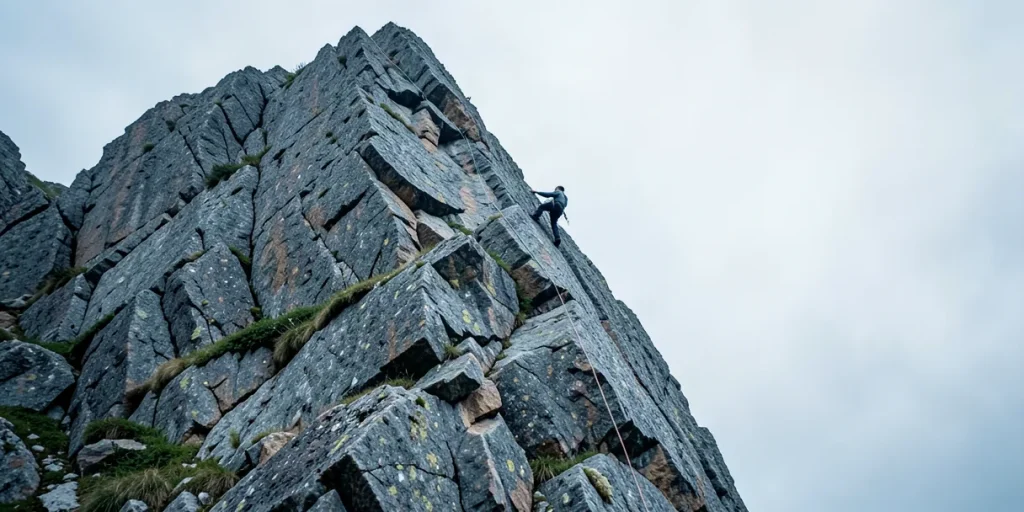
Rock climbing is a dynamic and engaging sport that requires both physical strength and the ability to focus in a changing environment. It involves overcoming vertical routes using hands and feet, and can be both athletic and technical. In the context of pregnancy, especially in the third trimester, it is important to assess how this activity may impact the health of the expectant mother and her baby.
During pregnancy, women experience changes in their bodies that require a special approach to physical activity. General recommendations for expectant mothers include moderate physical loads that help maintain tone and health but do not lead to overexertion. Since it is essential to avoid exercises that may lead to falls or discomfort in the third trimester, such as certain types of rock climbing, many specialists advise considering safer alternatives like yoga, swimming, and walking.
The differences between the trimesters of pregnancy also play a significant role in choosing physical activity. In the first trimester, many women can continue their usual sports if there are no contraindications. In the second trimester, when the body adapts to changes, a wider variety of exercises can be incorporated; however, it is important to avoid situations that may lead to falls. The third trimester is usually accompanied by significant weight gain and changes in the center of gravity, making some types of activities, including rock climbing, less safe.
In conclusion, before deciding to engage in rock climbing during the third trimester, expectant mothers are advised to consult with a physician. This will help determine which types of physical activity are suitable for them and ensure safety for both the mother and the child.
Scientific Research: Effectiveness and Safety
Rock climbing in the third trimester of pregnancy is becoming increasingly popular among expectant mothers, which has piqued the interest of researchers. Studies show that engaging in rock climbing does not increase the risk of complications during pregnancy. On the contrary, moderate physical activity, including rock climbing, can contribute to improved overall health and reduced stress levels, which is particularly important during this period.
Comparing rock climbing to other forms of physical activity is also of interest. For instance, yoga, swimming, and walking are recommended as safe alternatives. However, rock climbing, provided that safety measures and adequate preparation are observed, can offer unique benefits such as the development of strength, flexibility, and coordination, which can be beneficial during and after childbirth.
Survey results from pregnant women who climb show that most report positive emotions and an improved sense of well-being. Women reported increased self-confidence and improved mood, which in turn can positively affect their interactions with others and prepare them for childbirth. Nevertheless, it is important to remember that each pregnancy is unique, and before starting any physical activity, consulting with a physician is essential.
Thus, rock climbing can be a safe and beneficial activity for expectant mothers in their third trimester, provided that all recommendations and limitations are taken into account. It is also important to monitor one’s own feelings and not overload the body to avoid undesirable consequences.
The Benefits of Physical Activity for Pregnant Women
Physical activity during pregnancy plays a crucial role in the overall well-being of the expectant mother and her child. Moderate exercises like rock climbing can help improve mood and well-being. Regular physical activity helps manage stress, reduces symptoms of anxiety and depression, which is especially relevant in the third trimester when emotional fluctuations may be more pronounced. Movement promotes the production of endorphins, known as “happiness hormones,” which help enhance the emotional backdrop.
Additionally, physical activity can reduce the risk of various pregnancy complications and fetal developmental anomalies. Moderate physical loads support cardiovascular health, which, in turn, positively affects circulation and ensures an adequate oxygen supply for the fetus. This is particularly important as the mother’s healthy state contributes to the proper development of the child. Specialists recommend that expectant mothers engage in activities such as yoga, swimming, and walking, which also help avoid overloads and injuries.
Physical preparation through exercises is also important for preparing the body for childbirth. Strengthening the muscles involved in labor and increasing endurance can facilitate the process. Exercises aimed at developing flexibility and strength help the expectant mother better cope with physical stress during labor. Proper physical preparation can reduce the likelihood of pain and discomfort and speed up recovery after childbirth.
Despite all the advantages, it is important to remember that before starting any physical activity, consulting with a physician is necessary to ensure the safety of the chosen exercises and rule out possible contraindications. Each pregnancy is unique, and the approach to physical activity should be individualized.
Safe Alternatives to Rock Climbing
During the third trimester of pregnancy, it is important to maintain physical activity, but not all sports are suitable for expectant mothers. If rock climbing seems risky, there are safe alternatives that can help maintain fitness and improve overall well-being. One such alternative is yoga. This type of physical activity helps strengthen muscles, improve flexibility, and reduce stress. Specialized classes for pregnant women help prepare the body for childbirth and improve breathing techniques, which are also beneficial during delivery. It is recommended to choose courses with experienced instructors who understand the specifics of pregnant women.
Swimming is another excellent way to maintain physical activity during pregnancy. Water relieves pressure on the joints and spine, which is especially important in the later stages. Swimming helps strengthen the cardiovascular system, improves blood circulation, and promotes relaxation. Additionally, water activities can reduce swelling and enhance overall well-being. Expectant mothers should pay attention to swimming classes where proper swimming techniques are used, minimizing the risk of injuries.
Walking outdoors is another safe and accessible way to maintain physical activity. Walking helps strengthen the cardiovascular system, improves mood, and enhances overall well-being. It is important to choose comfortable footwear and plan routes according to one’s abilities. Walks can be organized in parks or quiet places, avoiding crowded areas. Attention should be paid to the duration and frequency of walks, gradually increasing the load.
- Yoga: strengthening muscles, improving flexibility and breathing techniques.
- Swimming: reducing strain on joints and spine, improving blood circulation.
- Walking: strengthening the cardiovascular system, enhancing mood.
Maintaining physical activity during pregnancy is not only beneficial but necessary for the health of both the mother and the child. Before starting any activities, it is always advisable to consult with a physician to choose the most appropriate and safe options.
Consultations with a Physician: Individual Approach
Consultations with a physician are an important stage in preparing for rock climbing in the third trimester of pregnancy. Every woman is unique, and her health condition may significantly differ from others. Therefore, before starting physical activity, it is important to discuss individual recommendations with a doctor. This will help not only avoid possible complications but also select the optimal level of activity that will be safe for both the mother and the future baby.
When meeting with a physician, it is important to pay attention to several key aspects. First, it is necessary to discuss the current state of health: the presence of chronic diseases, assessment of general well-being, and level of physical fitness. It is also important to emphasize the level of activity to which the woman is ready to return. The specialist may suggest alternative types of physical activity, such as yoga or swimming, which might be safer during this period.
Additionally, the physician can provide recommendations for self-monitoring during activities. This includes paying attention to one’s feelings during physical activity. Women should be attentive to symptoms such as dizziness, abdominal pain, or shortness of breath. If any of these symptoms occur, it is essential to stop the activity immediately and consult with a physician.
For a safer approach to physical activity in the third trimester, it is helpful to remember the following recommendations:
- Avoid exercises that may lead to falls.
- Monitor the level of exertion and avoid overloading the body.
- Prefer exercises that do not require prolonged lying on the back.
- Take regular breaks during workouts.
- Consult a physician if any suspicious symptoms arise.
In this way, preliminary consultations with a physician and careful attention to one’s condition can help ensure safety and health for both the woman and her child.
Debunking Myths about Physical Activity in the Third Trimester
Rock climbing in the third trimester: myths and reality
Pregnancy is a time when women face numerous myths about physical activity. One of the most common misconceptions is the belief that engaging in rock climbing can negatively affect the health of both the mother and the fetus. In fact, if a woman has no contraindications, rock climbing in the third trimester does not increase the risk of pregnancy complications. However, it is important to remember that every pregnancy is unique, and before starting any physical exercises, it is advisable to consult with a physician.
Besides rock climbing, there are many other forms of physical activity that can be beneficial for pregnant women. Physicians recommend activities such as yoga, swimming, and walking. These types of activities not only help maintain physical fitness but also contribute to improved overall well-being. However, it is advisable to avoid exercises that may lead to falls or excessive strain on the body, such as skiing or cycling. Exercises that involve lying on the back may also be undesirable, as they can cause discomfort and reduce blood circulation.
When evaluating information about pregnancy and physical activity, it is important to approach it critically. In today’s world, many sources offer advice that can be both helpful and potentially dangerous. Therefore, it is recommended to seek consultation from qualified professionals, such as physicians or trainers, who have experience working with pregnant women. They can provide an individualized training plan that takes into account health specifics and the stage of pregnancy.
Thus, information about physical activity during pregnancy should be based on scientific data and recommendations from medical professionals. This will help expectant mothers not only stay active but also ensure safety for themselves and their babies.
Psychological Aspects of Sports During Pregnancy
The psychological aspects of exercising during pregnancy play an important role in the overall well-being of the woman, especially in the third trimester. Physical activity contributes to improving the psycho-emotional state of the pregnant woman. Moderate exercises, such as yoga or swimming, help reduce stress and anxiety levels, which is particularly relevant during the waiting period for the baby. Regular physical activity promotes the production of endorphins, which contribute to improved mood and a general sense of happiness.
Social aspects also hold significant importance. Support from the community, whether through interest groups or activities with other pregnant women, helps women feel less isolated and more confident. Interacting with like-minded individuals allows for the exchange of experiences, sharing worries, and receiving emotional support. This creates a sense of belonging and strengthens connections, which is especially important during this responsible period.
Moreover, engaging in sports positively impacts self-confidence. Women who continue to maintain physical activity often feel more prepared for motherhood. This is because physical activity not only helps maintain health but also fosters a positive body image, which is important for self-perception. Confidence in one’s abilities can significantly ease the process of adapting to new life circumstances after the birth of the child.
Thus, engaging in sports in the third trimester not only promotes physical health but also has a positive impact on the psycho-emotional state of the pregnant woman. It is important to remember that before starting any training, one should consult with a physician to select appropriate and safe types of activity.
Conclusion: Choosing Your Activity
In conclusion, it can be noted that rock climbing in the third trimester of pregnancy does not increase the risk of complications; however, it requires a careful approach to selecting physical activities. Considering the changes in a woman’s body, it is important to choose exercises that will be safe for both her and the future baby. Consulting with a physician before starting any physical activity remains essential.
When choosing an activity, it is important to pay attention to one’s current state and level of fitness. Safe alternatives such as yoga, swimming, and walking can be excellent options for maintaining physical fitness and overall well-being. These activities promote relaxation, improve circulation, and help manage stress. It is also crucial to avoid activities that may lead to falls or overloads, such as skiing or weightlifting.
A balanced approach to physical activity in the third trimester implies not only selecting safe sports but also being attentive to one’s body. Listen to your feelings, do not ignore the signals from your body, and be prepared to adjust the level of activity depending on how you feel. Pregnancy is not only a time of waiting but also an opportunity to care for oneself and one’s health. Moderate physical activity will help you feel better, maintain tone, and prepare for childbirth while keeping in mind your individual capabilities and health.
Frequently Asked Questions
Is it safe to rock climb in the late stages of pregnancy?
What alternative activities are recommended for pregnant women?
How can potential risks be avoided while exercising in the third trimester?
Key Takeaways
- Rock climbing in the third trimester is safe with a physician’s consultation.
- Physical activity is important for the health of both mother and child.
- There are many safe alternatives to rock climbing, such as yoga and swimming.
Sources
new-baby.com.ua, kargopol-crb.gosuslugi.ru, odb.tambov.gov.ru, xn--574-jdd9a4a.xn--p1ai, crb-grozny.ru
