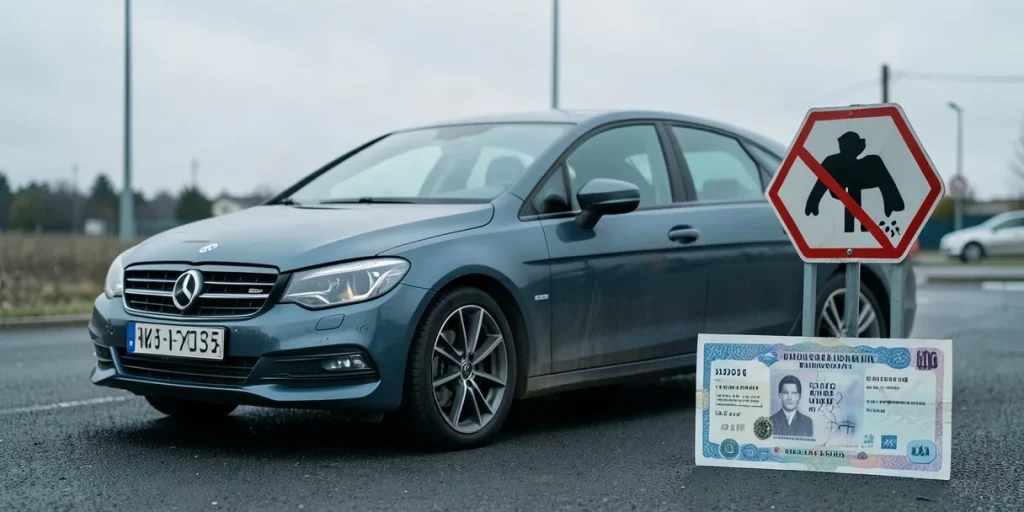
The Essence of the Car Rental Scam Targeting Tourists
In 2026, Turkey uncovered a new fraudulent scheme aimed at tourists renting cars. Criminals send fake rental payment receipts to steal clients’ personal information and gain access to their bank accounts. This practice is especially widespread in popular tourist hubs, including Istanbul and Antalya.
The victims are typically tourists who arrange rentals online or at airports, where scammers pose as rental company employees. Experts estimate that about 15% of foreign tourists in Turkey could face this scheme during the summer season of 2026.
How the Scam Works and Its Consequences
The scam involves sending counterfeit electronic receipts indistinguishable from the real ones. These receipts include links to phishing websites designed to collect personal data—passport numbers, bank card details, and online banking login credentials. Once obtained, fraudsters use this information to make unauthorized charges or commit identity theft.
The average loss per victimized tourist ranges from 300 to 1,200 US dollars, significantly exceeding the typical car rental cost in Turkey, which usually varies between 25 and 80 dollars per day. Travel agencies and insurance companies have already recorded an increase in complaints and claims, which may lead to higher insurance premiums for travelers.
The Role of Rental Companies and Istanbul Airports
Major car rental operators in Turkey, such as Europcar and Avis, officially warn clients about these new risks and recommend booking rentals only through verified websites and branches. Istanbul’s airports—the country’s main transport hub—have become hotspots for these scams. Scammers also offer tourists dubious services for topping up Istanbulkart transport cards.
Since July 2026, airport security services, together with local police, have launched an awareness campaign for tourists. Warning posters are displayed in airports, and advisory points have been set up. However, experts note that completely eradicating this scam is only possible if tourists themselves remain vigilant.
Recommendations for Tourists and Precautionary Measures
Specialists advise tourists to carefully verify all documents and receipts received when renting a car, especially if sent via email or messaging apps. Official payments should be made exclusively through car rental company websites secured with HTTPS, and suspicious links should be avoided.
Additionally, tourists are encouraged to obtain medical and travel insurance that covers potential financial risks related to fraud. The cost of such policies for trips to Turkey in 2026 averages between 1,500 and 3,000 rubles for a week’s stay. It is also important to keep copies of all documents and receipts for possible legal proceedings.
The Impact of Fraud on Turkey’s Tourism Industry
The rise in fraud cases puts pressure on Turkey’s tourism sector, which expects to welcome around 50 million foreign visitors in 2026. Tourist dissatisfaction and negative reviews could reduce the country’s appeal as a safe destination for car rentals.
To counter this threat, Turkish authorities plan to tighten consumer protection laws and strengthen oversight of car rental companies. Proposals include mandatory certification of rental services and the creation of a unified database to verify the authenticity of documents used in vehicle rentals.
Conclusion: In 2026, tourists renting cars in Turkey should exercise heightened caution and use only trusted channels to avoid scams involving fake receipts and the loss of personal data.
Sources
- insure.travel — “Dangers for Tourists in Turkey 2025: Fraud Schemes, Health Risks, and Insurance Tips”
- alexzimin.com — “Car Rental in Turkey 2026. Personal Experience — All SECRETS”
- peterburg2.ru — “New Scam Schemes Appear in Istanbul Airports”
- vfokuse.mail.ru — “New Tourist Fraud Scheme Emerges in Turkish Airports”