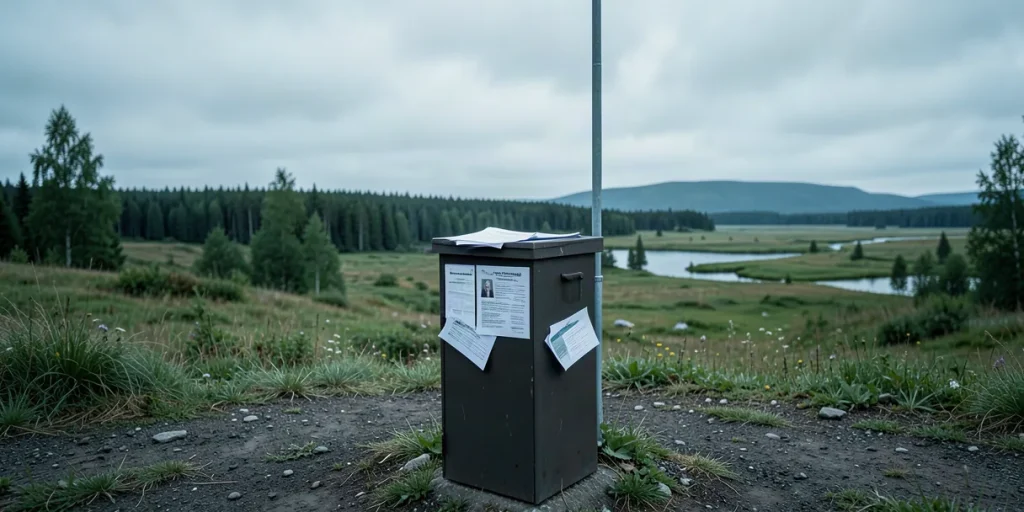
Record Voter Turnout in Transbaikalia for the State Duma Elections
According to the election commissions of Transbaikalia, voter turnout in the State Duma elections by the morning of September 18 exceeded 12%. This is significantly higher than the national average, which stood at about 4.8% at the same time, according to the Central Election Commission of Russia.
The elections began on September 18 and will continue through September 20, covering the entire country, including remote regions of the Far East and the Urals. The high voter activity in Transbaikalia underscores the strong interest of the local population in shaping the new parliament.
Specifics of the Election Campaign in Transbaikalia
In Transbaikalia, voting takes place at hundreds of polling stations located both in large cities and sparsely populated rural areas. The region is characterized by complex geography and considerable distances between settlements, which traditionally complicates the organization of elections.
The regional election commissions note that participation is influenced by improved transport accessibility and the active work of mobile polling stations. The region is also among those with programs supporting voter engagement, which reflects positively on the final turnout.
Voting Structure and Key Participants
In the 2026 Russian State Duma elections, citizens elect 450 deputies: half are chosen from party lists, and half from single-member districts. To enter parliament, parties must overcome a 5% threshold.
The federal ballot features 10 parties, including United Russia, LDPR, CPRF, A Just Russia, New People, and others. In Transbaikalia, as across the country, voters also cast ballots for regional parliament members and governors, adding importance to the elections.
Impact of High Turnout on the Political Situation in the Region
The elevated turnout in Transbaikalia could alter the political balance of power in the region. High levels of citizen participation enable a more accurate reflection of public moods and expectations, which is important for forming effective regional and federal legislation.
Voter activity may also encourage parties to engage more seriously with the population, given the increased interest in the elections. This contributes to strengthening trust in government institutions and advancing democratic processes.
Outlook and Next Steps
The elections will continue until September 20, with final results for Transbaikalia announced after the vote count. The next phase involves analyzing the results and assessing how turnout influences the distribution of parliamentary seats.
Given the region’s remoteness and socio-economic characteristics, the high turnout in 2026 may serve as a model for other hard-to-reach areas of Russia, demonstrating the potential to boost civic engagement even in the most distant parts of the country.
Conclusion: More than 12% turnout in Transbaikalia’s State Duma elections signals a noticeable rise in civic activity and the importance of the elections for residents of this remote region.