Updated: August 28, 2026
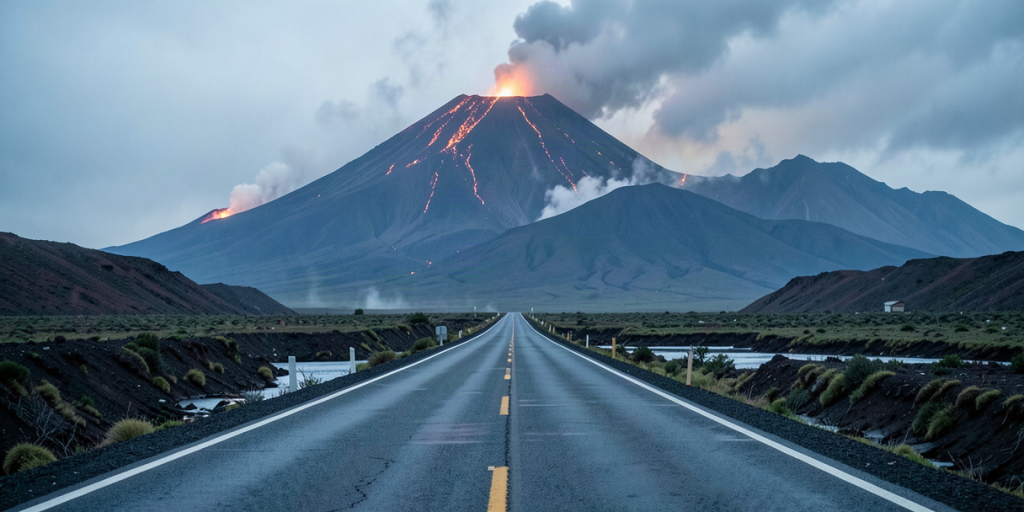
In Kamchatka, amidst picturesque landscapes and active volcanoes, tourists have encountered an unexpected problem — a river flood that has trapped them near the Tolbachik volcano. This event has attracted the attention of both locals and travelers, as the volcano, known for its beauty and power, has become not only a place of admiration but also a source of concern. What is the situation and what measures are being taken to assist the stranded tourists?
The river flood, caused by heavy rains, has become a serious obstacle for movement in this remote area. The tourists caught in this difficult situation are forced to wait for help and hope for a favorable outcome. In this article, we will examine the details of the incident and discuss the measures being taken to ensure the safety and comfort of travelers caught in the grip of natural elements.
Causes of the Incident
The causes of the incident that led to the blockage of around 100 tourists near the Tolbachik volcano in Kamchatka are related to heavy rains that caused the Studenaya River to flood. As a result of the severe flooding, the water level in the river rose significantly, leading to the river overflowing its banks. This phenomenon has been catastrophic for local roads, as much of the road surface has been washed away, and some sections have completely lost passability.
Adverse weather conditions, characterized by increased humidity, have exacerbated the situation. The rains, which lasted for several days, caused the soil to become saturated, leading to rapid road erosion and the formation of mudflows. In such conditions, access to the tourists has become extremely difficult, and attempts at evacuation have been complicated not only by the poor weather conditions but also by the limited food supplies of the stranded travelers.
Currently, local authorities and rescue services are taking all necessary measures to organize the evacuation of the tourists. However, given the complexities caused by natural factors, the process may take some time. It is expected that the situation may improve in the coming days if the weather conditions allow for road restoration work and ensure safety during movement.
Situation with Tourists
In recent days, the situation in the area of the Tolbachik volcano in Kamchatka has become critical. Around 100 tourists, including citizens from Russia, China, Azerbaijan, and other countries, have become trapped due to the flooding of the Studenaya River, which washed away the main roads leading to this picturesque location. Local authorities and rescue services are already working on a plan for evacuation; however, difficult weather conditions and flooded areas complicate the operation significantly.
Unfortunately, many tourists are facing a shortage of food and water. Some were not prepared for a prolonged stay in the wilderness, which poses additional problems. According to one tourist caught in this situation, panic among the people is gradually increasing, and they are starting to look for ways to ensure their needs are met. It is important to note that among those trapped are not only Russian citizens but also foreign tourists, highlighting the international scale of the situation.
Rescue services are actively working to resolve the problem. Negotiations have already begun regarding the possibility of delivering food and water to the tourists, as well as organizing safe routes for evacuation. Local residents are also showing readiness to help, offering their resources and support. Authorities in Kamchatka assure that they are doing everything possible to resolve the situation quickly and ensure the safety of the people.
Meanwhile, the tourists in the area of the volcano are urging everyone to remain calm and follow the instructions of the rescuers. Many photos and videos from the scene are already appearing on social media, highlighting the uniqueness and beauty of Kamchatka, even in an emergency situation. We hope that soon all those trapped will be able to return home.
Evacuation Measures
Evacuation efforts for the tourists stranded near the Tolbachik volcano are being actively carried out by the Russian Emergency Situations Ministry in collaboration with local authorities. As a result of the flooding of the Studenaya River and the subsequent road washouts, about 100 travelers from various countries have been cut off from the outside world. It is important to note that the food supplies for the tourists are limited, adding urgency to the actions of the rescue services.
As part of coordinating rescue operations, the Emergency Situations Ministry is assessing potential evacuation routes. Specialists are examining both land routes and the possibility of using helicopters to transport people. Currently, the focus is on safe and quick routes that will help minimize risks for both rescuers and tourists. It is essential to consider not only the condition of the roads but also the weather conditions that may affect operations.
Collaboration with local authorities and other services also plays a key role in organizing the evacuation. Regional authorities provide information about the current situation, which allows the Emergency Situations Ministry to respond quickly to changes and adjust plans. Local resources, including vehicles and assistance from residents, are also being utilized, significantly speeding up the rescue process.
In the coming days, an improvement in weather conditions is expected, which may facilitate the evacuation. However, rescue services continue to monitor the situation and prepare for any possible changes. It is important for tourists to stay in safe locations and follow the instructions of the rescuers until a safe exit from the difficult situation is ensured.
Authorities’ Response
In response to the incident at the Tolbachik volcano, where around 100 tourists have become trapped due to river flooding, the Kamchatka authorities have taken a number of measures to ensure safety and coordinate rescue operations. The first focus of local authorities has been on timely informing tourists about potential dangers associated with changing weather conditions and possible flooding. It is crucial that travelers are informed of risks in advance to avoid such situations in the future.
The establishment of an operational headquarters has been a key step for effective management of the situation. The headquarters includes representatives from various services, such as the Emergency Situations Ministry, local administrations, and rescue teams. This allows for the coordination of actions among all participants in the process, as well as prompt decision-making regarding evacuation and the delivery of necessary resources. Currently, various evacuation options are being considered, including the use of helicopters and ground transportation when feasible.
Authorities are also actively involving local rescue teams, who have experience working in wilderness conditions and adverse weather. These teams play an important role in ensuring the safety of the stranded tourists and organizing the delivery of food and water. Rescuers are working under conditions of limited access and poor visibility, making their tasks even more challenging.
- Timely informing tourists about danger situations.
- Establishment of an operational headquarters for coordinating actions.
- Involvement of local rescue teams with experience in challenging conditions.
The situation remains under control, and local authorities are doing everything possible to resolve the problem quickly and ensure the safety of tourists. Ensuring their safety has become a priority, and all actions are directed towards rapid evacuation and providing necessary assistance.
Consequences for the Region
As a result of the recent incident involving stranded tourists near the Tolbachik volcano in Kamchatka, the region is facing serious economic consequences. The decline in tourist attractiveness caused by the river flooding and road washouts may lead to a decrease in the flow of travelers to this unique natural area. This, in turn, will negatively impact local businesses that depend on tourist activity, including hotels, restaurants, and tour services. Potential losses could be significant if the situation is not resolved quickly and measures are not taken to prevent similar incidents in the future.
Alongside economic losses, this situation highlights the need to improve infrastructure in the region. The weak road network and lack of reliable evacuation routes make tourists vulnerable to natural disasters. It is essential to invest in road reinforcement and the creation of safe alternative routes to minimize risks for travelers. Attention should also be paid to developing disaster warning systems and improving communication in remote areas to ensure rapid response from rescue services.
Furthermore, the incident has drawn attention to issues of tourist safety in Kamchatka. Increased interest in this topic may lead to the establishment of stricter safety standards for tour companies and improved training for guides. Travelers should have access to up-to-date information about weather conditions and potential risks to make informed decisions about their trips.
Thus, the events at the Tolbachik volcano may serve as a catalyst for important changes in the approach to tourism development in Kamchatka, allowing for enhanced safety and improved overall quality of tourist services in the region.
Experience of Other Countries
The experience of other countries shows that evacuating tourists in natural disaster conditions is a complex but manageable process that requires coordinated actions and preparation. In particular, in 2019 in the Philippines, over 500 tourists became stranded on Sumbawa Island due to severe flooding. Authorities organized rescue operations using helicopters and boats to deliver food and medical supplies, as well as to evacuate people. This case demonstrated the importance of rapid response and having emergency supplies, which can serve as a lesson for Kamchatka.
In other countries, such as Japan, where natural disasters occur frequently, clear evacuation and citizen information schemes have been developed. For instance, in the case of earthquakes and typhoons, Japanese authorities prepare shelters in advance and plan evacuation routes, as well as train the population on how to act in emergencies. This approach minimizes risks and speeds up the rescue process.
Based on international experience, several recommendations can be outlined for tourists to avoid unpleasant situations related to natural disasters:
- Study the Region: Before traveling, familiarize yourself with the local climate and potential natural threats.
- Emergency Food and Water Supplies: It is always useful to carry extra food and water supplies, especially in remote areas.
- Action Plan: Develop an action plan for emergencies, including possible evacuation routes.
- Maintain Communication: Ensure you have a means of communication with the outside world — mobile phones and radios can be vital.
Applying these recommendations can significantly enhance tourist safety and reduce the risk of critical situations like the one that occurred in Kamchatka.
Local Residents and Their Support
Local residents of Kamchatka are actively supporting the stranded tourists by providing not only necessary resources but also moral support during this challenging time. Since news broke about the situation with the blocked travelers, many residents of nearby settlements have begun organizing collections of food, medicines, and other essential items to assist those in difficulty. Local volunteers, without waiting for official help, have started distributing food and water, as well as offering tourists temporary shelter in their homes.
Resource collection initiatives have become very relevant, as the supplies for tourists are rapidly depleting. Local businesses, including cafe and shop owners, have also contributed by providing food and drinking water. Special groups have been created on social media where residents and volunteers coordinate their actions, exchange information about necessary goods, and organize transportation of resources to the disaster zone. In such moments, how quickly and cohesively the community responds is particularly important, and the people of Kamchatka are showing they are ready to help under any circumstances.
The community plays a key role in crisis situations like this. The support of local residents not only eases the lives of stranded tourists but also fosters strong bonds between people. These actions demonstrate solidarity and a willingness to help each other, which is especially valuable in circumstances when government structures might be overwhelmed. The attitude of local residents inspires and gives hope to those in difficult situations. Together, they create an atmosphere of unity and mutual assistance, which is crucial in the face of natural disasters.
The Future of Tourism in Kamchatka
Kamchatka, with its unique natural landscapes and active volcanoes, continues to attract tourists from around the world. However, the recent incident involving the stranding of around 100 travelers at the Tolbachik volcano highlights the importance of creating safe conditions for tourists. The flooding of the local river, caused by heavy rains, has demonstrated the region’s vulnerability to natural disasters, which in turn raises questions about the safety system for travelers. It is essential to implement modern technologies and monitoring systems that will allow for prompt responses to changes in weather conditions and ensure the safety of tourists.
The prospects for infrastructure development in Kamchatka also require attention. Given the growing interest in ecotourism, it is necessary to invest in roads, vehicles, and communication means to provide tourists access to remote areas, especially in the event of potential natural disasters. Creating safe route systems and emergency services will not only enhance the tourist experience but also increase trust in the region as a tourist destination.
An important aspect of sustainable tourism is the care for preserving Kamchatka’s natural heritage. Developing eco-friendly routes, utilizing local resources, and involving local residents in the tourism industry will help minimize the negative impact on the environment. This will also create new jobs and support the regional economy.
Thus, the future of tourism in Kamchatka depends on a comprehensive approach. The necessity of implementing safety systems, developing infrastructure, and maintaining sustainable tourism should be priorities for authorities and businesses. Only in this way can Kamchatka preserve its unique character and ensure a safe stay for all guests.
Frequently Asked Questions
How long might tourists remain trapped?
What are tourists doing to survive the difficult situation?
How are authorities informing tourists about the situation?
What measures are being taken to prevent similar incidents in the future?
How can people help the stranded tourists?
Key Takeaways
- Heavy rains caused river flooding and trapped tourists.
- The Emergency Situations Ministry is actively working on evacuation plans.
- Support from local residents plays a vital role in crisis situations.
- Infrastructure improvements for tourist safety are necessary.
- Kamchatka remains an attractive but risky destination for travel.
Sources
news.ru, mir24.tv, ФОНТАНКА.ру, Е1.ру, ura.news
