Updated: August 28, 2026
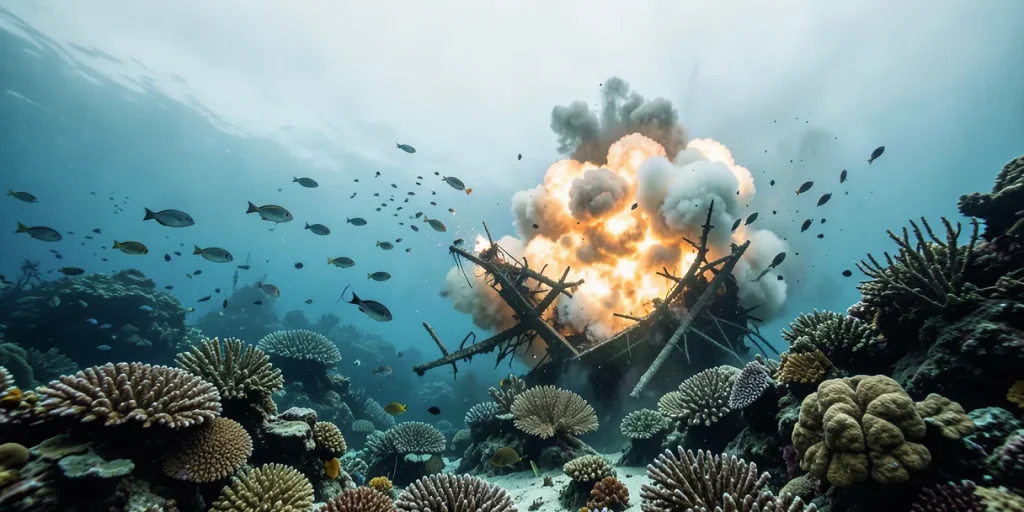
Recent events in the waters of Indonesia have shocked ecologists and environmental advocates: local fishermen have been caught blowing up 8,500 bombs on coral reefs. This act of destruction raises serious concerns about the state of the marine ecosystem and the resilience of coral reefs, which play a key role in maintaining biodiversity and ocean health.
Locals, seeking to improve their catches, have used explosives, causing irreparable damage to underwater ecosystems. As a result of this action, not only have corals been harmed, but numerous marine inhabitants as well, raising questions about the future of fishing in the region and the need for stricter controls on such practices. In this article, we will explore the reasons and consequences of this incident, as well as possible measures to protect coral reefs from further destruction.
Introduction to the Problem
The coral reefs of Indonesia represent a unique and diverse ecosystem, playing an important role in maintaining marine biodiversity. These reefs are not only home to numerous species of fish and other marine organisms, but they also serve as a natural barrier protecting shorelines from erosion. However, despite their significance, the state of coral reefs in the region raises serious concerns. The rapid development of fishing practices, as well as the impact of climate change, is causing irreparable harm to these vital ecosystems.
Coral reefs perform many functions, including maintaining ocean health and providing resources for local communities. They serve as breeding and sheltering grounds for fish, providing sustenance for millions of people. Nevertheless, the destruction of reefs caused by various factors poses a huge threat. In particular, the use of explosives for fishing, which is the focus of this material, is one of the most destructive practices. This method, employed by some fishermen to increase their catch, leads to mass damage to marine flora and fauna, ultimately affecting the resilience of the entire ecosystem.
In Indonesia, fishermen use various methods to catch fish, from traditional nets to more modern technologies. However, explosive fishing is becoming increasingly common, raising alarm among ecologists and environmental advocates. Each year, approximately 8,500 bombs are detonated, causing significant damage to coral reefs. This not only threatens marine life but also jeopardizes the existence of local communities that rely on fishing as their primary source of income.
It is time to pay attention to this problem and develop effective strategies to protect coral reefs. Active efforts must be made to inform fishermen about the consequences of their actions and to offer alternative fishing methods that do not harm the environment. It is crucial to unite the efforts of the government, environmental organizations, and local communities to preserve Indonesia’s unique natural heritage.
Overview of Destructive Activities
Indonesian fishermen have been involved in large-scale destructive activities that are seriously damaging coral reefs. According to recent data, they use around 8,500 bombs annually to catch fish, leading to significant destruction of the marine ecosystem. These actions not only destroy the habitat itself but also threaten the lives of many marine species, raising concerns among ecologists and environmental advocates.
The methods employed by fishermen include the use of explosives that are dropped into the water to create powerful blasts. This tactic allows them to effectively catch fish, but the consequences for coral reefs and marine flora and fauna are catastrophic. The explosions not only destroy the reefs but also cause mutations and deaths among many marine organisms, leading to a disruption of the ecosystem’s balance.
The primary goal of the explosions is to increase fish catches and, consequently, achieve commercial profit. Fishermen hope for immediate results, but they ignore the long-term consequences of their actions. The destruction of coral reefs can lead to deteriorating conditions for fishing in the future, jeopardizing not only current income but also the sustainability of fishing in the region as a whole.
This behavior threatens not only local ecosystems but also the economic stability of communities dependent on fishing. It is expected that international organizations and local authorities will take steps to combat this practice in order to preserve the unique biodiversity of Indonesia’s marine ecosystems and support sustainable fishing.
Environmental Consequences
The use of explosives for fishing in Indonesia is not just a cruel method but also a catastrophe for ecology. According to recent studies, the detonation of nearly 8,500 bombs annually on coral reefs results in rapid destruction of marine flora and fauna. Corals, being the backbone of the ecosystem, play a key role in sustaining the livelihoods of many marine species. The destruction of reefs leads to the loss of habitats for fish, mollusks, and other marine organisms, which, in turn, threatens biodiversity.
The impact on the ecosystem is hard to overestimate. Coral reefs serve not only as habitats for numerous species but also provide natural protection for shorelines against erosion. The destruction of reefs increases the vulnerability of coastal areas to storms and flooding, which can lead to additional economic losses for local residents. As a result of the destructive impact of explosions, food chains are altered, which can lead to a sharp decline in fish populations necessary for maintaining traditional fishing.
The long-term consequences for the local economy and fishing are also a serious cause for concern. With declining fish catches, local fishermen face increasing competition for the remaining resources. This can lead to worsening living conditions for thousands of families who depend on fishing as their primary source of income. If measures are not taken to protect coral reefs and restore ecosystems, the consequences could be irreversible, threatening not only marine life but also the existence of entire communities.
Thus, it is important to pay attention to these ecological issues and take active measures to address them in order to preserve Indonesia’s unique marine ecosystems for future generations.
Social and Cultural Aspects
In recent years, there has been a troubling trend among local fishermen in Indonesia who use explosive devices for fishing, which leads to the destruction of coral reefs and, consequently, negatively affects the local population and its cultural traditions. Fishing in this country is traditionally linked to local culture, and many communities have deep historical roots in this craft. However, the use of bombs for fishing radically changes traditional practices, undermining the resilience of the ecosystem and threatening the existence of local communities dependent on the sea.
Society is responding to this problem with growing concern. Numerous organizations and activists are directing efforts to raise awareness about the harm that explosions cause to coral reefs and how this reflects on the ecology and health of local residents. Social movements advocating for environmental protection are beginning to gain popularity, and this is influencing public opinion about fishing. Many are starting to realize the importance of sustainable fishing methods and the need to preserve natural resources for future generations.
Education also plays an important role in changing fishermen’s behavior. Programs focused on ecology and sustainable development are becoming increasingly widespread, aimed at teaching locals to treat marine resources with care. Participation in such programs allows fishermen not only to understand how their actions impact the environment but also to learn new fishing methods that are less destructive and more sustainable. This can lead to a change in attitude towards fishing as a means of livelihood based on respect for nature and its resources.
Thus, the issue of blasting coral reefs in Indonesia opens new horizons for discussing the social and cultural aspects of fishing, highlighting the need to transform traditional practices in favor of sustainable development.
Measures to Address the Problem
In 2026, the situation with Indonesian fishermen caught blowing up 8,500 bombs on coral reefs has become a subject of careful consideration at both the local and international levels. In response to the catastrophic consequences for the marine ecosystem, numerous initiatives have been launched to protect the environment. Both local and international organizations play a key role in this process, working on the restoration of coral reefs and supporting sustainable fishing.
Local environmental groups are actively advocating for improved fishing methods and the implementation of practices that do not harm ecosystems. They organize training programs for fishermen, explaining the importance of preserving coral reefs and their role in maintaining biodiversity. International organizations, such as the World Wildlife Fund, provide funding and resources for implementing projects to restore damaged reefs, as well as assist in developing sustainable fishing strategies.
Legislative changes also play an important role in addressing the problem. Indonesian authorities have begun to take steps to tighten control over fishing and the use of explosives in marine waters. New laws impose significant fines and criminal liability for those who continue to practice fish blasting. This sets a precedent for other countries facing similar issues and emphasizes the need for a comprehensive approach to protecting marine ecosystems.
Furthermore, it is important to involve local communities in the decision-making process so that they become active participants in environmental protection. Establishing local fishermen’s cooperatives to monitor compliance with new regulations can significantly improve the situation. By working as a cohesive team, locals, environmental organizations, and government bodies can greatly enhance the state of coral reefs and ensure sustainable fishing development in the region.
Examples of Successful Practices
Restoring coral reefs is a vital task for conserving the marine ecosystem, and many countries are already implementing successful projects aimed at protecting and restoring these unique ecosystems. One example is a coral reef restoration project in Benin, where, thanks to the joint efforts of local authorities, ecologists, and fishermen, a «coral garden» was created. This project demonstrated how damaged reefs can be effectively restored while drawing attention to the importance of preserving marine flora and fauna.
Changing approaches to fishing has also become a key aspect in combating the destruction of marine ecosystems. In some regions, such as the Philippines, sustainable fishing practices have been implemented, including restrictions on harvesting certain fish species and the use of safe fishing methods. These measures not only contributed to the restoration of fish stocks but also improved the quality of life for local communities, which began to earn income from eco-tourism.
Examples of countries successfully addressing issues related to coral reef destruction can be found worldwide. In Australia, for instance, a program to protect the Great Barrier Reef is being implemented, which includes measures to monitor the condition of the ecosystem and actively restore coral colonies. Such initiatives allow not only for the preservation of biodiversity but also for attracting tourists interested in exploring unique marine ecosystems.
Thus, successful practices in coral reef restoration and changes in fishing approaches demonstrate that coordinated actions by local communities, authorities, and ecologists can yield positive results. These examples inspire new initiatives and confirm that restoring marine ecosystems is possible if actions are taken collaboratively and purposefully.
Discussion and Conclusions
The activities of Indonesian fishermen associated with blasting nearly 8,500 bombs on coral reefs raise serious concerns about the state of the marine ecosystem. Coral reefs are not only beautiful parts of the underwater world but also crucial ecosystems that play a key role in preserving biodiversity. They provide homes for numerous marine species, protect shorelines from erosion, and contribute to the economic development of local communities through fishing and tourism. The destruction of these reefs undermines the balance of marine life and threatens the future not only of marine inhabitants but also of people who depend on these resources.
The need for a comprehensive approach to addressing this issue is evident. Protecting coral reefs requires joint efforts from the government, local communities, environmental organizations, and international institutions. It is essential to develop and implement effective environmental protection strategies that combine both bans on destructive fishing methods and programs for restoring damaged reefs. Additionally, educational programs for fishermen and local populations about the significance of coral ecosystems and sustainable fishing methods must be conducted.
The call to action becomes especially relevant in light of recent events. Protecting the marine ecosystem should be a priority at both the national policy level and within the framework of international cooperation. It is important to create conditions for sustainable development that ensure the harmonious coexistence of humans and nature. Each of us can contribute to the preservation of coral reefs—from choosing eco-friendly products to participating in volunteer actions to clean water bodies. Only by joining forces can we protect these unique ecosystems and ensure their preservation for future generations.
Frequently Asked Questions
What impact does fish blasting have on the ecosystem?
What measures are being taken to protect coral reefs?
Why do fishermen use bombs to catch fish?
Key Takeaways
- The use of bombs for fishing destroys the ecosystem.
- Measures are needed to protect coral reefs.
- Education and awareness can change fishermen’s behavior.
Sources
nplus1.ru, fb.ru, vitamintur.ru, aigents.com
