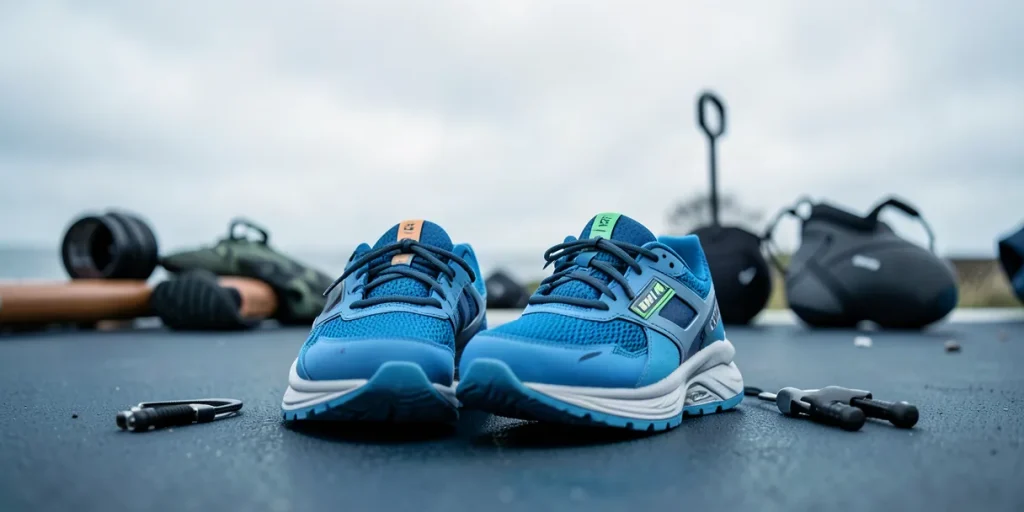
Choosing the right sneakers for different sports depends on considering the specifics of physical activity, foot characteristics, and cushioning quality. It’s important to pick footwear that offers the necessary support, stability, and comfort tailored to your type of exercise.
Each sport places unique demands on athletic shoes: running requires lightweight shoes with good ventilation, basketball demands enhanced ankle support and cushioning, and tennis calls for flexibility and lateral stability. Selecting the proper sneakers helps reduce injury risk and improve training effectiveness.
In this article, we’ll thoroughly explore how to choose sneakers for various sports disciplines, taking into account foot anatomy and technical shoe features. This will help you make an informed choice and ensure maximum comfort during workouts.
| Sport | Cushioning | Weight (g) | Price (₽) | Sole Features |
|---|---|---|---|---|
| Running | Up to 20 mm (Zoom Air) | about 310 | 7,000–15,000 | Flexible, with arch support |
| Fitness | Minimal, firm sole | 260–350 | 6,000–12,000 | Flat, with high grip (Vibram) |
| Basketball | Zoom Air under heel and forefoot | 400–450 | 12,000–20,000 | Rubber sole with herringbone pattern |
| Casual | Minimal | 300–400 | 3,000–7,000 | Universal, durable |
- 600-800 km recommended running distance before replacing running sneakers
- 310 g weight of Adidas Ultraboost running model
- 12,000–20,000 ₽ price of Nike Air Jordan 36 basketball sneakers
- 6 mm sole thickness of Reebok Nano X3 for fitness
What Criteria Are Important When Choosing Running Sneakers?
Cushioning and Weight
When selecting running sneakers, it’s important to consider cushioning level and shoe weight, as they directly affect comfort and training efficiency. Models with Nike’s Zoom Air technology provide up to 20 mm of heel cushioning, reducing impact on joints during long runs. Weight is also critical: for example, Adidas Ultraboost weighs about 310 grams, ideal for maintaining speed and endurance on distances of 5 km and above.
Support and Price
Foot support is another key factor, especially for runners with flat feet or prone to injuries. Asics Gel-Kayano sneakers feature a stabilization system that helps reduce sprain and overload risk. Quality running shoes typically cost between 7,000 and 15,000 rubles, reflecting their technology and durability. When choosing, aim for a balance between price and functional features.
- Cushioning: up to 20 mm (Nike Zoom Air)
- Weight: about 310 g (Adidas Ultraboost)
- Foot support: stabilization system (Asics Gel-Kayano)
- Price: 7,000–15,000 rubles for quality running models
How to Choose Sneakers for Fitness and Gym Workouts?
For fitness and gym sessions, it’s optimal to choose sneakers with a firm sole about 6 mm thick, providing stability during weightlifting and enough flexibility for various exercises. Reebok Nano X3 models, for instance, have these characteristics, making them popular among athletes.
Sole and Traction
Fitness sneakers should have a durable Vibram sole, like the Inov-8 F-Lite 260, which guarantees excellent grip and suits multitasking workouts. A sole thickness around 6 mm balances stability and mobility, important for barbell lifts and dynamic moves.
Durability and Price
A synthetic mesh upper ensures durability for up to 200 hours of intense training, important for regular workouts. Average prices for such models range from 6,000 to 12,000 rubles depending on brand and features, making them accessible to most fitness enthusiasts.
- Sole firmness: about 6 mm (Reebok Nano X3)
- Sole material: Vibram (Inov-8 F-Lite 260)
- Durability: up to 200 training hours (synthetic mesh upper)
- Price: 6,000–12,000 rubles
What Sets Basketball Sneakers Apart and What to Look For?
Basketball sneakers are distinguished by high ankle support and enhanced cushioning, crucial for sudden moves and jumps on the court. For example, Nike Air Jordan 36 models feature a collar up to 18 cm high for secure support, while Zoom Air technology effectively softens landings.
Support and Cushioning
The high collar on basketball sneakers protects joints during sharp direction changes and jumps, preventing injuries. The Nike Air Jordan 36’s collar reaches 18 cm, significantly taller than many running shoes. Cushioning is provided by Zoom Air units under the heel and forefoot, offering soft landings and reducing joint load.
Sole and Price
Basketball sneaker soles are made of rubber with a herringbone pattern, specially designed for maximum grip on gym parquet floors. This sole provides stability and prevents slipping during games. Prices for models like Nike Air Jordan 36 in official stores range from 12,000 to 20,000 rubles, reflecting a combination of technology and material quality.
- Collar height: up to 18 cm (Nike Air Jordan 36)
- Cushioning technology: Zoom Air under heel and forefoot
- Sole: rubber with herringbone pattern for parquet grip
- Price: 12,000–20,000 rubles at official retailers
Common Mistakes When Choosing Sports Sneakers
Size and Load
The main mistakes in choosing sports sneakers relate to incorrect sizing and mismatched shoe type for the activity. About 65% of users experience discomfort and blisters from buying shoes that are too small, as confirmed by footwear ergonomics research. Additionally, running sneakers often aren’t suitable for fitness due to sole differences and support levels, which can reduce training effectiveness and increase injury risk.
- Shoe size should allow for foot expansion up to 5 mm during the day.
- Running models have firmer soles and enhanced heel cushioning, whereas fitness sneakers focus on lateral movement and flexibility.
Cushioning and Fitting
Choosing sneakers without cushioning often raises injury risk, especially under intense loads. Budget models lacking quality EVA foam or gel padding typically don’t provide adequate joint protection. Also, not trying shoes on at different times of day leads to poor size choice, since feet can grow up to 5 mm in the evening versus morning. It’s recommended to try shoes from reputable brands like Nike Air Zoom Pegasus 40 or Adidas Ultraboost 26, which start around 7,000 rubles.
- Cushioning with EVA foam or gel reduces joint strain.
- Trying shoes morning and evening helps find the right size considering daily foot changes.
What Is the Optimal Price and Lifespan of Quality Sports Sneakers?
Price
The optimal price range for quality sports sneakers for running, fitness, and basketball generally spans from 6,000 to 20,000 rubles. For example, running shoes from well-known brands like Asics Gel-Nimbus 25 cost around 12,000 rubles, and basketball sneakers such as Nike Air Zoom BB NXT are about 18,000 rubles. This range balances durability, comfort, and modern cushioning technologies.
Lifespan
The lifespan of sneakers depends on the sport and training intensity. Running shoes should be replaced after 600–800 km, roughly 6–9 months of regular use. Fitness sneakers used 3–4 times a week maintain functionality for up to one year. Basketball shoes, given the high loads and quick moves, last about 8–12 months with intense training.
- Running sneakers: 600–800 km or 6–9 months of use
- Fitness models: up to 1 year with 3–4 workouts per week
- Basketball sneakers: 8–12 months of active use
Frequently Asked Questions
Can running sneakers be used for fitness workouts?
How to determine the correct sneaker size for sports?
How much does a good pair of basketball sneakers cost in Russia?
How often should running sneakers be replaced?
Key Takeaways
- Cushioning and foot support are key criteria for running sneakers.
- A firm sole and good traction are important for fitness and gym shoes.
- A high collar and specialized sole are needed in basketball sneakers.
- Correct sizing and fitting reduce injury and discomfort risks.
- Sneaker lifespan depends on sport type and training intensity.