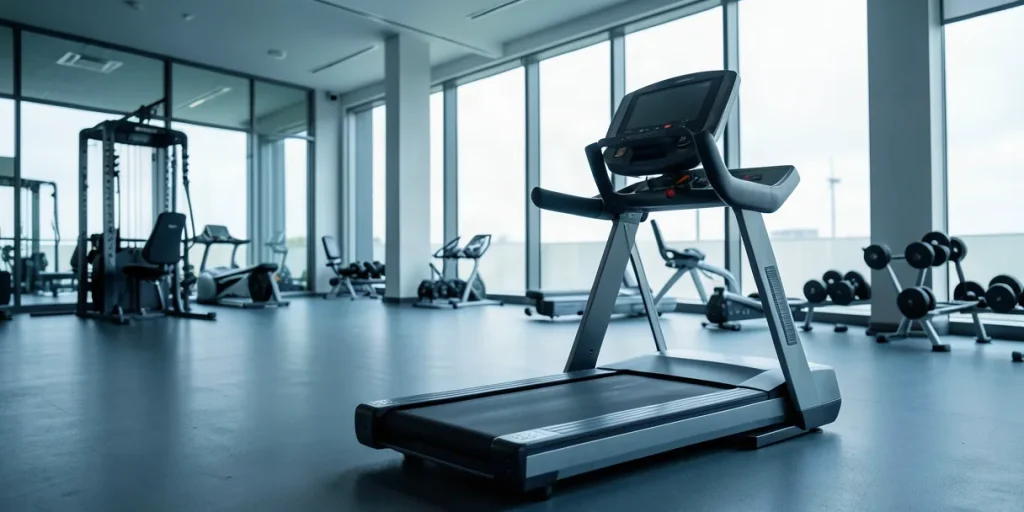
Strength training and cardio workouts serve different purposes: strength training focuses on building muscle mass and strength, while cardio workouts aim to improve heart function and endurance. Your choice depends on your personal goals, health, and preferences.
In today’s fitness world, it’s common to wonder which type of training is best for achieving optimal results. The difference between strength and cardio workouts goes beyond just the type of load—it’s two distinct approaches to maintaining and enhancing physical fitness. Understanding their characteristics will help you create an effective and balanced training plan.
In this article, we will explore in detail what each type of workout entails, their benefits and limitations, and how to determine which type of exercise suits you best. This knowledge is especially important for those aiming not only to improve their appearance but also to strengthen their health and enhance quality of life.
| Criterion | Strength Training | Cardio Workouts |
|---|---|---|
| Main Goal | Increase muscle mass and strength | Develop cardiovascular endurance |
| Intensity | 70-85% of 1RM | 60-80% of maximum heart rate |
| Duration | 30-60 minutes, 3-5 times per week | 30-60 minutes, 3-5 times per week |
| Injury Risk | High if technique is incorrect | Low with proper load |
| Equipment Cost | From 20,000 ₽ (dumbbells) | From 70,000 ₽ (treadmill) |
- 5-10% muscle mass increase over 12 weeks of strength training
- 150 minutes recommended weekly cardio time at moderate intensity
- 70-85% strength training intensity relative to max one-rep max
- 1.2 g/kg minimum protein intake during strength training for muscle growth
How Do Strength Workouts Affect Health and Endurance?
Main Effects
Strength training significantly improves health and endurance by increasing muscle mass and boosting the muscles’ anaerobic power. Regular workouts over 12 weeks can increase muscle mass by 5–10%, which enhances metabolism and strengthens the musculoskeletal system.
Additionally, strength exercises increase bone density and reduce the risk of injuries, positively influencing overall physical endurance and quality of life. The anaerobic development of muscles, achieved by working at 70–85% of the one-rep max (1RM), leads to gains in strength and the ability to perform intense physical efforts.
Practical Load
The optimal load for strength training ranges from 70 to 85% of 1RM, effectively stimulating muscle growth and strength without excessive fatigue. Specialized machines and equipment, available in fitness clubs, are needed for these workouts. In Russia in 2026, gym membership prices range from 2,500 to 4,500 rubles per month.
- Muscle mass increase of 5–10% in 12 weeks;
- Load at 70–85% of 1RM for anaerobic development;
- Fitness club membership price with equipment: 2,500–4,500 ₽/month.
How Do Cardio Workouts Benefit the Body and How Much Should You Exercise?
Cardio workouts strengthen the cardiovascular system, lowering resting heart rate by 5-10 beats per minute after 8 weeks of regular training, which improves overall endurance and reduces the risk of heart disease.
Effects on Heart and Vessels
Regular cardio loads help the heart and vessels adapt, increasing their efficiency. As a result, the heart experiences less strain during normal conditions, and blood circulation becomes more balanced and stable. According to the World Health Organization’s 2026 recommendations, a resting heart rate reduction of 5-10 bpm over 8 weeks indicates improved heart function.
Load Recommendations
To effectively boost endurance, cardio workouts are recommended 3-5 times per week for 30-60 minutes each. The intensity should be 60-80% of maximum heart rate, which for a 30-year-old corresponds to 120-160 beats per minute. At these parameters, workouts improve heart and respiratory function without undue stress.
- Intensity — 60-80% of max heart rate (about 120-160 bpm for a 30-year-old)
- Duration — 30-60 minutes per session
- Frequency — 3-5 times per week
- Resting heart rate reduction — 5-10 bpm over 8 weeks
Which Health and Fitness Goals Are Best Achieved Through Strength Training?
Muscle Mass and Metabolism
Strength training is most effective for increasing muscle mass and strength, as well as raising basal metabolic rate by 7–15%. Regular resistance workouts 3–5 times a week lead to significant muscle growth, improving overall fitness and aiding in weight control. According to 2025 research by the Russian Academy of Nutrition Sciences, this training regimen ensures a lasting metabolic effect, maintained even at rest.
- Training frequency: 3–5 times per week;
- Increase in basal metabolism: 7–15%;
- Goal: increase muscle mass and strength.
Bone Health
Strength training improves bone density, which is especially important for people over 40 years old, reducing the risk of osteoporosis. Regular weight-bearing exercises stimulate bone formation and strengthen the skeleton, enhancing its resistance to injuries. This effect is recognized as key in preventing age-related bone diseases and is recommended by medical professionals for maintaining musculoskeletal health.
- Age threshold for bone density improvement: 40 years and older;
- Osteoporosis prevention;
- Skeleton strengthening through weighted load.
When Are Cardio Workouts Preferable to Strength Training for Improving Endurance?
Cardio workouts are preferable for improving endurance when preparing for prolonged aerobic activities and when limitations exist due to excess weight or joint issues, as they promote cardiovascular development while reducing impact stress on the musculoskeletal system.
Aerobic Endurance
Cardio exercises such as running, swimming, and cycling are optimal for developing aerobic endurance needed for long-duration physical efforts. Regular sessions totaling 150 minutes per week at moderate intensity strengthen heart and vessels, aligning with the World Health Organization’s 2026 guidelines. Elliptical machines like NordicTrack Commercial 14.9 or Life Fitness E1 are often used for aerobic endurance training, providing effective workouts with minimal joint impact.
Recommendations for Limitations
- For excess body weight over 20 kg, low-impact cardio workouts reduce musculoskeletal injury risk;
- To lessen joint load, elliptical training or swimming at least 3 times a week for 40 minutes is recommended;
- The average cost of a pool or gym membership with cardio zones in major Russian cities ranges from 3,000 to 7,000 rubles per month.
What Are the Limitations and Mistakes When Choosing Between Strength and Cardio Workouts?
Risks of a One-Sided Approach
Focusing excessively on cardio workouts without adequate protein intake can lead to significant muscle loss, which is especially dangerous if consuming less than 1.2 g of protein per kg of body weight daily. Ignoring strength exercises also reduces overall functionality and metabolism, as noted in recommendations from the Russian Scientific Center for Restorative Medicine (2024).
It is also important to consider that excessive combination of strength and cardio loads without proper planning and recovery leads to overtraining, manifesting as reduced performance and increased injury risk.
Training Mistakes
One key mistake in strength training is neglecting warm-ups and performing exercises with poor technique, which increases injury risk. The Russian Scientific Center for Restorative Medicine confirmed in 2024 that lack of preparation raises injury probability by 30% among participants.
- Insufficient protein intake: less than 1.2 g/kg body weight increases muscle loss risk during cardio;
- Skipping warm-up: increases injury risk by 30% in strength training;
- Excessive load combination without recovery: leads to overtraining and reduced effectiveness.
How to Choose Equipment and Services for Strength and Cardio Workouts Within Your Budget?
Home Equipment
Choosing equipment for home strength and cardio workouts depends on budget and goals: basic strength gear like Bowflex SelectTech 552 dumbbells costs around 20,000 rubles and offers varied resistance, while treadmills such as the NordicTrack T 6.5 S start from 70,000 rubles and are suitable for comfortable cardio sessions.
Bowflex SelectTech 552 dumbbells adjust from 2 to 24 kg, convenient for progressing in strength exercises. For cardio, the NordicTrack T 6.5 S provides built-in workout programs and cushioning to reduce joint impact during running. This selection allows you to tailor your training to your skill level and available space.
Affordable Services
If purchasing equipment is limited by budget, consider fitness app subscriptions offering programs for both strength and cardio workouts. For example, Nike Training Club costs about 1,500 rubles per month and includes diverse workouts requiring minimal equipment.
- Bowflex SelectTech 552 dumbbells — about 20,000 ₽;
- NordicTrack T 6.5 S treadmill — from 70,000 ₽;
- Nike Training Club subscription — approximately 1,500 ₽ per month.
These services enable professional programs at home without large upfront investments, especially convenient for limited space and no bulky equipment.
Frequently Asked Questions
Can strength and cardio workouts be combined in one program?
How long does it take to see initial results?
Which workouts are better for weight loss?
Is special nutrition needed for strength training?
Key Takeaways
- Strength training increases muscle mass by 5-10% over 12 weeks.
- Cardio workouts lower resting heart rate by 5-10 bpm over 8 weeks.
- Recommended cardio workload is 150 minutes per week at moderate intensity.
- Avoid training without warm-ups to reduce injury risk.
- Home strength equipment costs from 20,000 rubles; cardio equipment from 70,000.