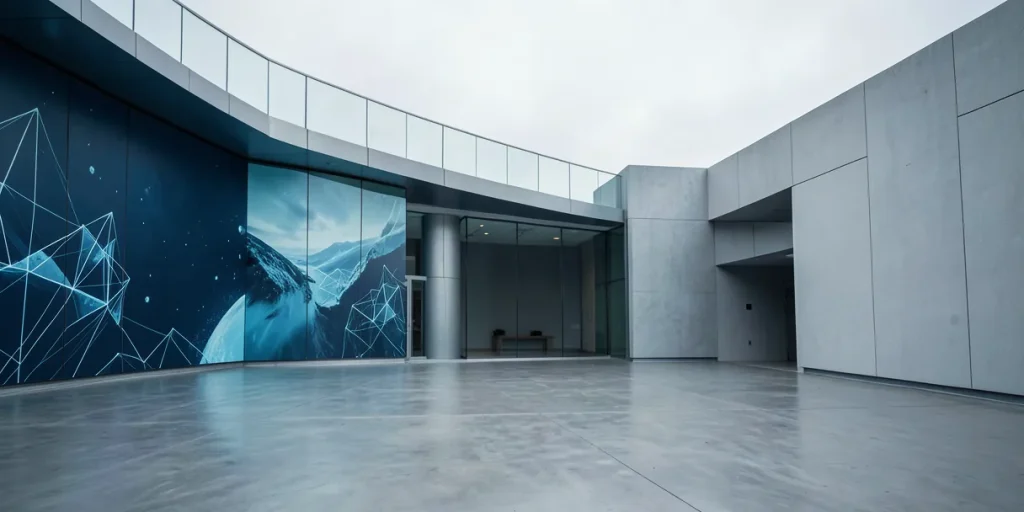
In 2026, the art world is undergoing a true revolution thanks to the implementation of new technologies. Museums, traditionally associated with a conservative approach to exhibiting works, are becoming platforms for innovative solutions that change the perception of art. Virtual reality, augmented reality, and interactive exhibitions open new horizons for visitors, allowing them to immerse themselves in the creative process and engage with artworks on an entirely new level.
These technologies not only make art more accessible to a wider audience but also transform the perception process itself. Museum visitors can now become active participants in cultural events rather than mere spectators. As a result, new technologies influence the perception of art, creating unique experiences that are memorable and inspiring further discoveries in the world of culture.
Introduction: The Evolution of Museums
Introduction: The Evolution of Museums
Museums, as important cultural institutions, have a long and rich history, starting from the first collections created to preserve art and cultural artifacts in ancient civilizations. Their role in society has always been to educate, preserve, and disseminate knowledge. However, in recent decades, this role has undergone significant changes. Museums have become not only repositories of art but also dynamic spaces where viewers can actively participate in the creation of meanings and interpretations of artworks.
In recent decades, the perception of art has changed dramatically. While previously, viewers viewed museum exhibitions as static and one-sided, today there is an increasing focus on interactivity and engagement. Visitors want not just to observe but also to interact with art, which creates new opportunities for understanding and interpretation. This change has been made possible by technological progress that has opened new horizons for museum practice.
Modern technologies such as virtual and augmented reality play a key role in transforming the museum environment. In 2026, many museums have begun actively integrating these technologies into their exhibitions, providing visitors with unique opportunities to interact with artworks. Virtual reality allows for immersion in historical contexts and cultural eras, while augmented reality enriches the perception of exhibitions by adding additional layers of information and emotions. These innovations not only make art more accessible but also bring elements of play and learning into the museum experience, which in turn helps attract new audiences and foster a deeper understanding of art.
Thus, the evolution of museums in a rapidly changing technological world opens new horizons for the perception of art. Museums are becoming not only places for contemplation but also active participants in the cultural dialogue, where each visitor can become a co-author of their experience.
Augmented Reality Technologies in Museums
In 2026, augmented reality (AR) technologies are becoming an integral part of museum exhibitions, significantly changing the perception of art and visitors’ interaction with exhibitions. Augmented reality allows digital images and animations to be overlaid on real objects, creating new opportunities for immersion in the artistic context. Visitors can use their mobile devices or special glasses to see additional layers of information that enrich their understanding of artworks.
Many famous museums have already successfully implemented AR technologies in their exhibitions. For example, the Louvre in Paris offers visitors a unique experience, allowing them to interact with famous paintings through their smartphones. By downloading an app, they can see how artworks come to life and receive detailed commentary and historical background on each exhibit. At the Museum of Modern Art in New York, AR allows viewers to participate in interactive exhibitions where art objects become part of their personal experience through augmented visualizations and unique audio guides.
The implementation of AR in museum practices significantly affects how visitors interact with art. The technology creates the opportunity for deeper analysis and understanding of works, as well as making art more accessible and appealing to a broad audience. Visitors can not only see paintings but also learn about the processes of their creation, the biographies of artists, and the context of the times in which they were created. This allows for a more complete picture of culture and art, making them accessible to everyone, regardless of their level of preparation.
Thus, augmented reality in museums not only enriches the traditional experience of interacting with art but also attracts a young audience interested in new technologies. As a result, AR becomes a key tool in educating and popularizing art, opening new horizons for researchers and art lovers around the world.
Virtual Reality and Its Impact on the Museum Experience
Virtual reality (VR) is a technology that allows users to immerse themselves in artificially created three-dimensional spaces, interact with them, and perceive information in a new format. In recent years, the use of VR in museums has gained popularity, providing visitors with unique opportunities to interact with artworks. This technology not only allows for the visualization of exhibits but also creates whole stories around them, significantly enriching the museum experience.
One of the main advantages of virtual reality is the ability to create an immersive experience. Visitors can not only observe exhibitions but also actively participate in them. For example, they can «walk» through historical sites or see paintings in the process of their creation. This approach allows for a deeper understanding of the context of works and their significance, making the museum visit more emotionally rich and memorable. VR technologies also help overcome physical limitations: visitors can see exhibits that are in other countries or even those that are no longer accessible to the public.
Some museums are already actively using virtual reality to expand their exhibitions. For example, the Museum of Modern Art in New York launched a project where visitors can «enter» famous paintings and interact with their elements. The Museum of Art History in Vienna offered a unique experience, allowing visitors to become part of historical events, such as the creation of famous works of art. Such cases demonstrate how VR opens new horizons for educational programs and how it can attract a younger audience seeking interactive and innovative ways to engage with culture.
In 2026, we can expect even broader integration of virtual reality into museum exhibitions, promising to change the overall approach to the perception of art and cultural heritage. Museums are becoming not just repositories of works but also dynamic spaces where technology and art intertwine, creating new forms of interaction and understanding.
Individualizing the Museum Experience
In 2026, technologies are radically changing the approach to the museum experience, offering visitors the opportunity to personalize their tours and interactions with art. One of the key tools for achieving this goal has become mobile applications. With their help, users can choose topics that interest them most, set their preferences, and thus receive recommendations for exhibitions and artworks they might visit. This allows each created route to be unique and tailored to individual tastes and interests.
Augmented reality (AR) and virtual reality (VR) also play an important role in individualizing the museum experience. With AR, for example, visitors can interact with exhibits, receiving additional information about artworks, their creators, and historical context. This is not merely static observation but an opportunity to immerse oneself in the world of art and learn more about it interactively. Such technologies enhance engagement and make the museum visit more memorable.
Examples of content adaptation based on visitor preferences are already being actively implemented in various museums. For instance, some institutions offer special tours for children that use gaming elements and interactive tasks. Adults, on the other hand, can choose more in-depth and analytical routes that focus on artistic techniques and historical aspects. Thus, everyone can find the most suitable format for interacting with art.
Technologies not only enrich the museum experience but also make it more accessible and diverse, allowing each visitor to discover something new and interesting. This opens new horizons for cultural enrichment and the formation of unique impressions from visiting museums.
The Impact of Technology on Education and Engagement
In 2026, new technologies have significantly changed educational programs in museums, providing broad access to information and interactive forms of learning. Virtual reality and augmented reality have become integral parts of museum exhibitions, allowing visitors not only to observe artworks but also to actively interact with them. For example, with the help of special applications and devices, visitors can see how works were created, learn about the artists, and even participate in the restoration process. Such approaches not only deepen the understanding of art but also make it more accessible to a wide audience.
New exhibition formats are also significantly influencing the perception of art. Museums have begun to implement multimedia installations that combine video, audio, and interactive elements, creating a unique experience for viewers. These exhibitions can change their form depending on audience preferences, allowing each visitor to gain an individual experience. For example, exhibitions that use touch panels and projections allow for a deeper immersion in the theme and expand the boundaries of traditional art perception.
Increasing engagement among youth through digital platforms has become another important aspect. Social networks and special museum applications allow young people to share their impressions, participate in contests and discussions, and access educational materials. Museums are actively developing their online resources to draw attention to art and culture, using accessible and familiar formats for the youth audience. This creates a new culture of engagement where everyone can become not just a viewer but also a participant in the cultural process.
Thus, the integration of new technologies into the museum space in 2026 has significantly enriched educational programs, made exhibitions more interactive and accessible, and increased youth engagement. These changes contribute to a deeper understanding and perception of art, opening new horizons for communication with cultural heritage.
Criticism and Challenges
In 2026, as new technologies such as virtual and augmented reality are actively implemented in museum exhibitions, serious challenges confront cultural institutions. The main problem is that an excessive dependence on technology may lead to the loss of traditional museum values. While interactive elements can attract a young audience and make museum visits more engaging, there is a risk that they overshadow the essence of art itself. Visitors may focus on the technological aspect of the exhibition, forgetting about the deep perception of artworks and their historical context.
Critics raise questions about how appropriate it is to use modern technologies in the museum environment. On the one hand, new methods of presenting art can make it more accessible and understandable to a wider audience. On the other hand, this may result in superficial perception and a loss of depth that is inherent in traditional exhibitions. Some experts point to possible negative consequences, such as a decline in interest in classical forms of art and a reduced significance of live interactions with artworks.
Moreover, the need to preserve traditional museum values is becoming increasingly relevant. In a time when technologies are changing the face of museums, it is crucial to remember that the main task of cultural institutions remains not only attracting visitors but also fostering their cultural literacy, respect for art, and history. Museums must find a balance between innovation and tradition, ensuring both an engaging and educational experience for their visitors. This requires museum professionals not only to have technical knowledge but also to possess a deep understanding of art and its role in society.
Thus, in 2026, museums face both opportunities and challenges that require a careful approach to the implementation of new technologies to avoid losing connection with traditions and core cultural values.
The Future of Museum Art
With the advancement of technology, museum art is undergoing significant changes that will continue to shape its future. In 2026, we observe the active integration of virtual and augmented reality into museum exhibitions, which not only enhances the perception of art but also makes it more accessible to a wider audience. Visitors can interact with exhibitions on a new level, immersing themselves in unique digital worlds that complement and enrich traditional artworks. This opens new horizons for creators, allowing them to experiment with forms and formats of presenting their art.
In the coming years, an increase in interest in interactive exhibitions and educational programs based on new technologies is expected. Museums will strive to adapt to changing conditions and audience expectations by incorporating gamification elements and personalized tours. This will not only attract new visitors but also retain the interest of existing ones, offering them a unique experience in interacting with art. It is expected that museums will begin to use data about the preferences of their visitors more actively to create more engaging content and programs.
Additionally, an important aspect of the future of museum art will be collaboration with technology companies and startups. Collaborative projects may lead to the creation of innovative solutions for exhibitions, such as using artificial intelligence to analyze works and create interactive applications. Museums will seek new formats for engaging with the public, including online platforms and events that broaden the audience and make art more accessible to all.
Thus, the future of museum art in 2026 will be determined by the drive for innovation and adaptation to contemporary societal demands. This will create opportunities for deeper engagement with art and expanding its influence on cultural life.
Conclusion: A New Perspective on Art
In conclusion, new technologies significantly impact the perception of art in museums in 2026. The integration of virtual reality and augmented reality into museum exhibitions opens unique opportunities for visitors to interact with artworks. These technologies not only enrich the viewer’s experience but also transform traditional approaches to organizing exhibitions. Visitors can delve deeper into the context of works, feel their atmosphere, and even become part of the artistic process, making their museum visit more interactive and memorable.
The role of museums in modern society is also changing. They are no longer just repositories of art but are becoming places for dialogue and exchange of ideas. Museums are beginning to actively participate in cultural life, serving as platforms for education and social interaction. In the face of rapid changes in society, they must adapt to new demands and expectations from visitors, which in turn requires openness to innovation and a willingness to change.
The challenges faced by museums in 2026 underscore the need for constant development and experimentation. The application of modern technologies should not be seen as a threat to traditional art but as an opportunity for its rethinking and renewal. A key aspect becomes the openness of museum structures to new ideas and approaches, as well as the readiness to collaborate with technology companies and cross-disciplinary projects.
Thus, the future of museums depends on their ability to adapt to new conditions and implement innovations that enrich the viewer’s experience. The call for openness and readiness for change should become a guiding principle for museum institutions seeking to remain relevant and engaging for a broad audience.
Frequently Asked Questions
How do technologies change traditional perceptions of art?
What are some examples of successful technology use in museums?
What are the risks associated with implementing technology in museum practice?
Key Takeaways
- Technologies are changing the museum visit experience.
- Augmented and virtual reality are opening new horizons for art perception.
- Individualization of tour programs increases visitor engagement.
Sources
vivakolaart.com, expert opinions, vedomosti.ru, swissinfo.ch, Obuchonok
