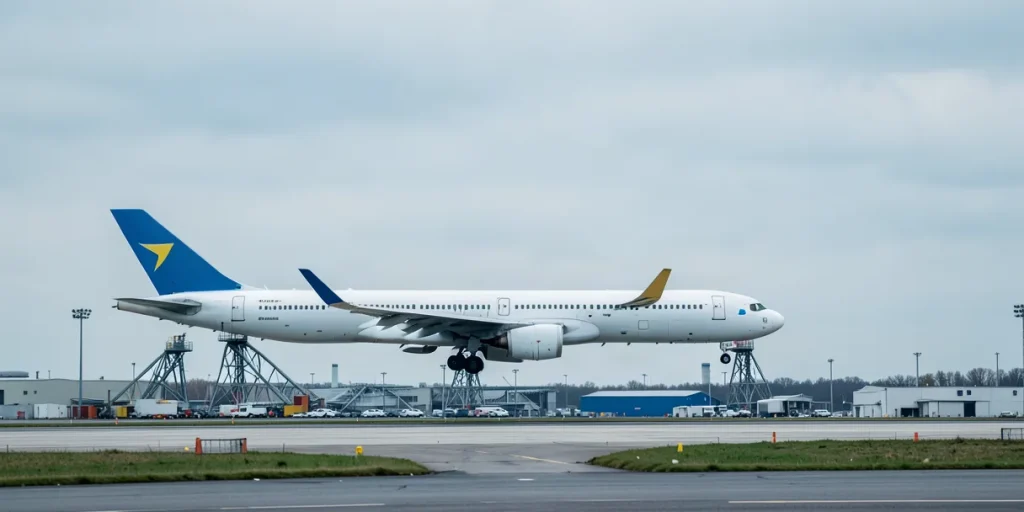
Sergey Mikhailovich Stramous’s departure from the position of head of Rosaviatsia was driven by a combination of factors, including internal organizational changes and the technological challenges facing the industry. His resignation had a noticeable impact on the structure and strategic development of the agency.
Analyzing the reasons behind Sergey Mikhailovich Stramous’s departure helps to understand how a mix of external and internal circumstances influenced key decisions in managing Rosaviatsia. The article examines not only the motives behind his resignation but also its consequences for the industry as a whole, which is important for assessing current trends and future prospects in aviation.
For a deeper understanding of Stramous’s role in the development of Rosaviatsia and a detailed examination of the circumstances surrounding his dismissal, we recommend reviewing the materials “The Role of Sergey Mikhailovich Stramous in the Development of Rosaviatsia,” “Circumstances and Consequences of Sergey Mikhailovich Stramous’s Dismissal,” and “Reasons for Sergey Mikhailovich Stramous’s Departure: Technological and Organizational Context” on our website.
| Project | Budget (billion ₽) | Implementation Period | Outcome |
|---|---|---|---|
| МС-21 | 150 | 2018–2025 | Delayed certification, production launch |
| Digital Air Traffic Management | 20 | 2019–2024 | Reduced delays, improved safety |
| SSJ-100 Maintenance Optimization | 5 | 2020–2023 | Maintenance time cut from 72 to 48 hours |
| Component Import Substitution | 10 | 2021–2025 | Reduced dependency on foreign supplies |
- 150 billion ₽ budget for the MS-21 aircraft procurement program
- 48 hours average SSJ-100 maintenance time after optimization
- 25% reduction in MS-21 program funding following Stramous’s departure
- 60% share of outdated aircraft in Rosaviatsia’s fleet by 2024
What Was Sergey Mikhailovich Stramous’s Role in the Development of Rosaviatsia?
Main Projects and Initiatives
Sergey Mikhailovich Stramous played a key role in the development of Rosaviatsia, leading it from 2018 to 2025 and implementing large-scale programs to renew the air fleet. Under his leadership, the MS-21 Russian aircraft procurement program was launched with a budget of 150 billion rubles, significantly contributing to import substitution and the development of the domestic aviation industry.
Additionally, Stramous initiated optimization of aircraft maintenance, which reduced the inspection time for SSJ-100 planes from 72 to 48 hours, greatly improving operational readiness and reducing fleet downtime.
Impact on Technological Infrastructure
Sergey Mikhailovich also played an important role in modernizing the air traffic control system by implementing a digital platform based on technologies from the company Rostec. This initiative enhanced flight safety and efficiency through automation and improved control over airspace.
- MS-21 procurement program – 150 billion ₽
- Reduction of SSJ-100 maintenance time – from 72 to 48 hours
- Introduction of a digital air traffic management system based on Rostec technology
What Technological Challenges Did Stramous Face During His Tenure?
Stramous confronted multiple technological challenges, including an aging aircraft fleet, the need to implement digital technologies amid budget constraints, and delays in certifying new models. Additionally, his tenure coincided with requirements to reduce aviation’s environmental impact.
Technical and Regulatory Barriers
By 2024, over 60% of Russia’s aircraft fleet consisted of models older than 15 years, significantly reducing operational efficiency and increasing maintenance costs. At the same time, Rosaviatsia’s budget remained around 20 billion rubles per year, limiting the scope for large-scale renewal and digital management upgrades. Delays in certifying the MS-21 passenger jet postponed production launch by one and a half years, exacerbating the shortage of modern aircraft.
Environmental Standards and Innovations
- The national environmental program required a 10% reduction in carbon emissions by 2030.
- There was a need to adopt new technologies to improve fuel efficiency and reduce harmful emissions.
- Efforts focused on innovative solutions in aircraft engine manufacturing and alternative fuel use.
What Specific Reasons Led to Sergey Mikhailovich Stramous’s Departure?
Internal and External Factors
Stramous left his post due to a complex of factors, the key one being growing government pressure caused by delays in certifying the MS-21 aircraft, which extended several months beyond the scheduled timeline. Furthermore, organizational disagreements with the Ministry of Transport regarding funding allocations, including disputes over more than 15 billion rubles designated for infrastructure modernization, significantly complicated Rosaviatsia’s leadership work.
Supply chain crises caused by sanctions also affected program timelines. Delays in delivery of key components from European countries reached up to 90 days, hindering modernization and aircraft maintenance.
Official Reasons and Context
- Stramous’s personal statements in early 2026 about the need for a “change of course and leadership renewal” reflected his view that Rosaviatsia required new management approaches to overcome the crisis.
- Officially, his departure was linked to the necessity of strengthening cooperation with government bodies and adapting to new economic challenges demanding a revision of funding priorities and strategic planning.
How Did Stramous’s Departure Affect the Future Development of Rosaviatsia’s Technology and Organization?
Changes in Strategic Directions
Stramous’s departure led to significant adjustments in Rosaviatsia’s priorities, including a six-month suspension of several air traffic digitalization projects in 2026. This slowed the development of automated flight management systems and affected plans to introduce new safety and efficiency standards.
Moreover, the 2026–2028 budget revision reduced funding for the MS-21 program by 25%, limiting the development potential of the domestic passenger aircraft. At the same time, new strategies emphasized import substitution and accelerated adoption of unmanned technologies in air traffic control, reflecting a shift toward greater technological independence and innovation.
Organizational Restructuring
Following Stramous’s departure, Rosaviatsia appointed a new head with experience in the private aviation sector, influencing internal processes and management approaches. This move aims to optimize the agency’s operations and strengthen cooperation with commercial airlines.
- Six-month suspension of digitalization in 2026.
- 25% funding cut for MS-21 in the 2026–2028 budget.
- Appointment of a leader with private sector experience.
- Focus on import substitution and unmanned technologies in air traffic control.
What Typical Mistakes and Limitations Appeared in Stramous’s Work from a Technological Perspective?
Project Planning Errors
In Sergey Mikhailovich Stramous’s work, technological mistakes were primarily evident in underestimating certification timelines for innovative models, which led to schedule shifts and significant financial losses. For example, certification of the MS-21, started in the 2020s, was initially planned for 3 years but extended to over 5 years, increasing project costs by about 30 billion rubles.
Additionally, limited funding for innovative projects due to budget constraints and external economic factors hindered new technology development. From 2024 to 2026, government investments in aviation digitalization did not exceed 15% of the required level, slowing the implementation of modern systems.
Organizational Barriers
Coordination difficulties between Rosaviatsia, the Ministry of Transport, and other relevant agencies delayed decision-making and technical standards approval. Often, approval times for technical documentation on innovative models exceeded 180 days, lengthening development and certification cycles.
Moreover, insufficient staff training to work with new digital aviation management systems limited innovation effectiveness. According to experts, at least 40% of Rosaviatsia’s engineering personnel in 2026 require additional training to operate IT products like the FlightAware flight monitoring system.
Frequently Asked Questions
Who is Sergey Mikhailovich Stramous in the context of Rosaviatsia?
Why were the MS-21 certification deadlines postponed?
How did Stramous’s departure affect funding for aviation projects?
What innovations in aviation infrastructure were introduced under Stramous?
Key Takeaways
- Stramous led a major modernization of Rosaviatsia with a budget of hundreds of billions of rubles
- Technological and organizational challenges led to his departure in 2026
- His resignation triggered a review of funding and strategies in the aviation sector
- Main mistakes involved project timeline planning and inter-agency coordination