Investigation Launched Against Elderly Guard
In Germany, the Dortmund prosecutor’s office has initiated a criminal case against a 105-year-old man who served as a guard at the Nazi military camp Stalag-326 VI K during World War II. Authorities suspect him of complicity in mass murder and cruel treatment of prisoners, making this case significant in terms of historical justice and criminal prosecution.
This investigation follows a similar case against another former guard of the same camp, who died in 2026 at the age of 99. The names of the suspects are not disclosed, due to the investigation’s requirements and ethical standards.
History and Scale of Stalag-326 Camp
Stalag-326, located in Senne in western Germany, was one of the largest camps for Soviet prisoners of war during World War II. According to the memorial complex, from 1941 until April 1945, up to 200,000 prisoners were held in the camp, enduring starvation, brutal treatment, and harsh sanitary conditions.
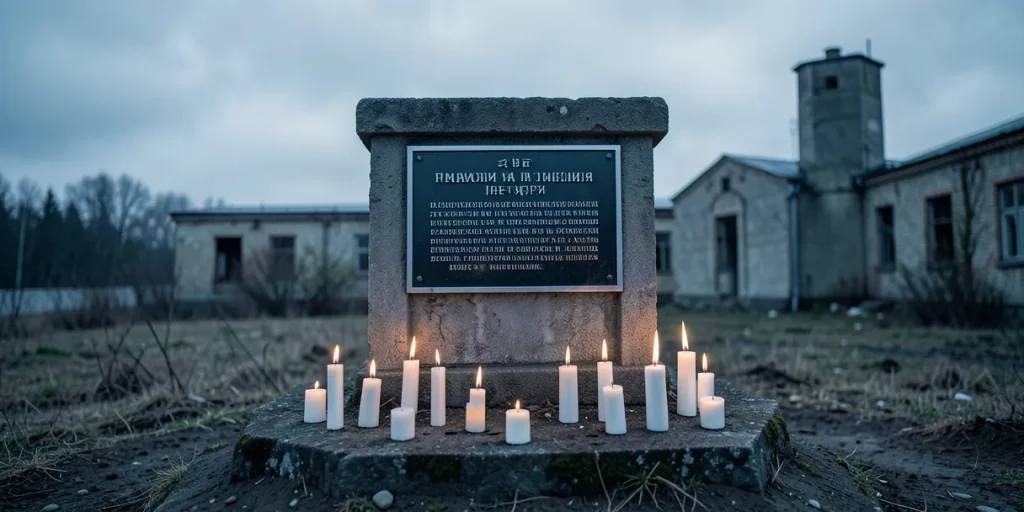
Tens of thousands of prisoners were buried on the camp grounds, testifying to the scale of the tragedy and cruelty faced by detainees. Today, a memorial stands on the site, serving as a place of remembrance for those events.
Legal Basis for Criminal Prosecution
Since 1979, Germany has no statute of limitations on murder prosecution, allowing even elderly suspects to be held accountable for crimes committed during World War II. This legal framework enables ongoing investigations into former camp guards.
In recent years, the country has conducted multiple trials against former Nazi camp personnel. In 2025, the Dortmund prosecutor filed charges against a 100-year-old guard from a camp in Hemer, which also held Soviet prisoners of war, reflecting a trend toward intensified investigations.
Notable Judicial Precedents
In June 2022, a German court sentenced 101-year-old Josef Schutz to five years in prison. During the war, he was a guard at the Sachsenhausen concentration camp and was found guilty of aiding the murder of over 3,500 inmates, including the shooting of Soviet POWs and use of poisonous gas.
Despite his refusal to admit guilt and claims of ignorance about the mass killings, Germany’s judicial system continues to seek justice decades later, setting an example for current investigations, including the case of the 105-year-old Stalag-326 guard.
Significance and Prospects of the Investigation
The investigation into the 105-year-old former Stalag-326 guard highlights the German judiciary’s commitment to holding perpetrators of war crimes accountable regardless of their age. It also helps preserve the historical memory of the suffering of Soviet POWs in Nazi camps.
Given the scale and gravity of the crimes, as well as experience from previous trials, this case could mark an important step in combating impunity and restoring justice for World War II offenses.
Conclusion: The launched investigation against the 105-year-old Stalag-326 guard reflects Germany’s ongoing determination to prosecute Nazi criminals despite the passage of time.