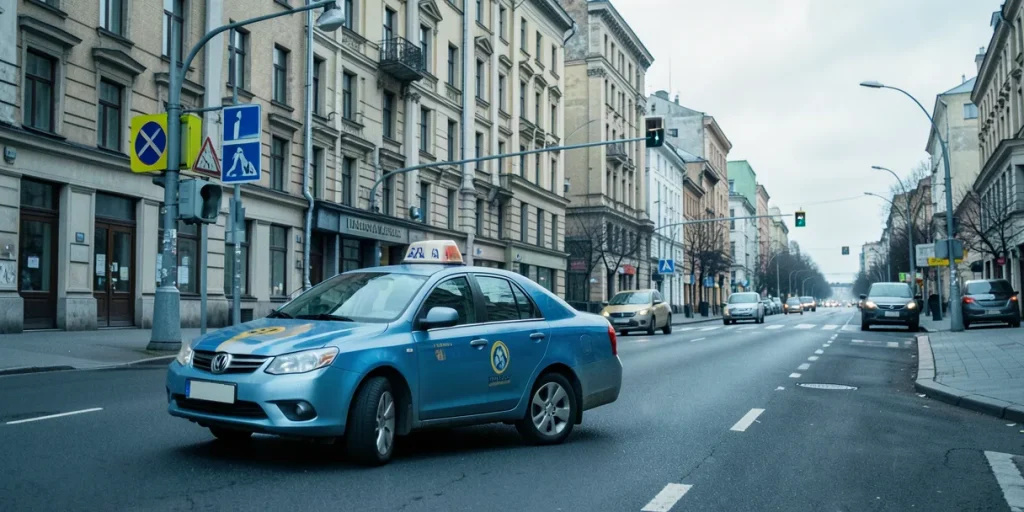
Reduction in Taxi and Carsharing Accidents in Moscow
According to the Moscow State Traffic Inspectorate, between January and August 2026, there were 1,072 road traffic accidents involving taxi vehicles in Moscow, which is 2.2% fewer than during the same period last year. These crashes resulted in 30 fatalities and 1,257 injuries of varying severity, representing a 2.3% decrease compared to 2025.
The short-term car rental segment, or carsharing, experienced an even more significant decline. In the same period, 182 accidents were recorded, 25.1% fewer than a year earlier. The number of deaths in these accidents fell by 40%, totaling six people, while the number of injured dropped by 26.7% to 211 individuals.
Impact on Road Safety on the Moscow Ring Road (MKAD)
Special attention has been given to safety conditions on the Moscow Ring Road (MKAD), where 393 accidents were reported during the first eight months of 2026 — a 4.4% decrease compared to the same period last year. The number of fatalities fell by 42.9%, reaching 16 people, while the number of injured climbed to 499.
As a critical transport artery of the capital, the reduction in accidents and casualties on the MKAD directly influences overall road safety statistics in Moscow. These figures confirm the effectiveness of measures taken to control and prevent accidents on the city’s main highways.
The Role of Taxis and Carsharing in Urban Mobility
Taxis and carsharing play a key role in Moscow’s transport infrastructure, offering residents and visitors convenient alternatives to private cars. The rapid growth of carsharing over the past year in Moscow is linked to an increase in the fleets of companies such as Yandex Go and BelkaCar, enhancing mobility but also requiring heightened attention to safety.
The decline in accidents involving these transport modes reflects improvements in service quality and drivers’ adherence to traffic rules. Taxi and carsharing companies are implementing monitoring and training systems, which contribute to fewer accidents and a better overall traffic environment.
Overall Accident Trends in Moscow and Russia
Despite positive trends within the taxi and carsharing sectors, Russia has seen a rise in accidents involving personal mobility devices (PMDs) such as electric scooters and unicycles. In the first eight months of 2026, PMD-related accidents increased by nearly 40% compared to the previous year, highlighting the need for additional regulation and public awareness in this area.
In Moscow, efforts to reduce accidents involving traditional transport like taxis and carsharing are combined with goals to ensure safety for emerging transport modes. This presents a complex challenge for authorities and businesses, requiring ongoing monitoring and adaptation of traffic rules.
Outlook and Conclusions
The decline in taxi- and carsharing-related accidents in Moscow during the first eight months of 2026 is an important indicator of improved road safety in the capital. The reduction in crashes and casualties contributes to better urban mobility and eases the burden on healthcare services.
Continuing these trends depends on further refinement of regulations, enforcement of driver compliance, and the adoption of modern safety technologies in the transport sector. Both government agencies and transport companies play vital roles in this process.
Key takeaway: The drop in accidents involving taxis and carsharing in Moscow signals a positive shift toward safer city roads.