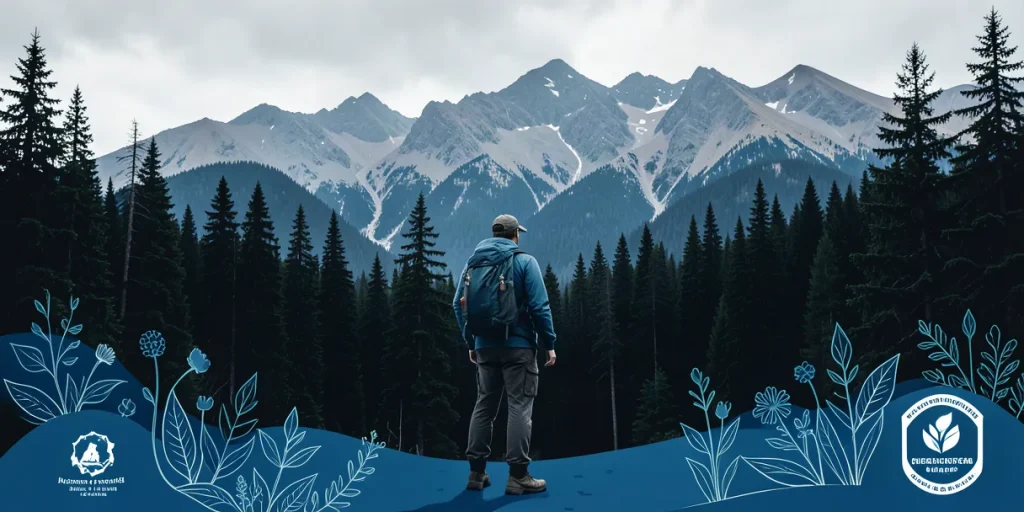
What Is Ecotourism and Why Is It Important
Ecotourism is a form of travel focused on minimizing negative environmental impact, supporting the preservation of natural ecosystems, and educating tourists about the value of nature. In 2026, this type of tourism is becoming increasingly popular, especially in Russia, where the network of specially protected natural areas (SPNAs) has grown by 12% over the past five years.
The main goal is not just recreation but a responsible interaction with nature that promotes its conservation and sustainable development.
Core Principles of Ecotourism
Ecotourism is based on strict criteria designed to minimize harm to nature and maximize support for its preservation. These include:
- Using environmentally friendly transportation—such as electric bikes or low-emission public transit.
- Choosing locations with regulated access—national parks and reserves where visitor numbers and timing are controlled.
- Following behavior rules that prevent disturbance to flora and fauna.
- Supporting local communities and economies by purchasing goods and services from residents.
- Including an educational component—participating in conservation-focused tours or volunteer programs.
Criteria for Choosing a Tour Operator for Ecotourism
- Possession of sustainable tourism certificates (e.g., Green Key or GSTC).
- Transparency in environmental policies and reporting.
- Collaboration with local conservation organizations.
- Waste minimization and use of recyclable materials.
How to Choose an Ecotourism Destination in Russia
Russia offers unique potential for ecotourism thanks to its vast forests, water resources, and wildlife diversity. In 2026, the most popular destinations are national parks in Western Siberia, Altai, and the Caucasus.
For example, Yugyd Va National Park in Komi—the largest forest reserve in Europe—offers eco-tours limited to 200 visitors per month to protect the ecosystem.
| National Park | Region | Maximum Visitors per Year | Average Tour Price, ₽ | Main Activities |
|---|---|---|---|---|
| Yugyd Va | Komi | 2400 | 35000 | Hiking, wildlife watching |
| Altai | Altai | 5000 | 40000 | Expeditions, ethnographic tours |
| Sochi | Krasnodar Krai | 15000 | 25000 | Excursions, beach holidays, eco-camping |
Practical Tips to Minimize Environmental Impact While Traveling
To ensure your trip is truly eco-friendly, it’s important to follow these recommendations:
- Reduce plastic use: bring reusable bottles and containers.
- Choose hiking routes or use low-emission transportation.
- Only make fires in designated areas.
- Follow waste collection rules and leave no trace.
- Respect wildlife: do not feed animals or disturb plants.
Choosing Gear for Ecotourism
Minimizing impact also means selecting the right gear. For example, the Terra Nova Laser Competition tent weighs about 1.3 kg and is made from eco-friendly materials, while Therm-a-Rest NeoAir synthetic insulated sleeping bags provide warmth without using down, reducing environmental strain.
Economic and Social Impact of Ecotourism
The growth of ecotourism helps preserve natural areas, creates jobs in rural and remote regions, and encourages the development of low-impact infrastructure. Experts estimate that in 2026, ecotourism accounts for 7% of Russia’s tourism sector, with annual market turnover exceeding ₽12 billion.
- ₽12 billion — annual turnover of Russia’s ecotourism market
- 7% — share of ecotourism in the national tourism sector
- 1.3 kg — weight of Terra Nova Laser Competition tent for ecotourism
- 2400 people — maximum yearly visitors to Yugyd Va National Park
Frequently Asked Questions
What does ecotourism involve?
How to choose an environmentally responsible tour operator?
Which Russian regions are best suited for ecotourism?
How can I reduce environmental harm during my trip?
Key Takeaways
- Ecotourism in Russia is growing, encompassing more protected areas.
- Its principles include minimal impact, support for local communities, and educational elements.
- Choosing destinations and operators should be based on sustainability and responsible natural resource management.
- Practical measures to reduce harm include cutting plastic use, selecting eco-friendly gear, and adhering to conduct rules in natural zones.
- Ecotourism generates significant economic and social benefits, promoting sustainable regional development.
Conclusion
Ecotourism is not just a way to enjoy nature’s beauty but a responsibility each traveler holds to protect it. When approached correctly, it helps maintain ecosystems, supports local communities, and fosters a deeper understanding of environmental importance among tourists. In 2026, making conscious choices about destinations, operators, and travel methods is key to journeys that benefit nature rather than harm it. Embracing these principles is a vital step toward a sustainable future for tourism and the planet as a whole.
Sources
- Article in «Young Scientist» magazine — «Features of Ecotourism Development in Russia»
- cyberleninka.ru — «Features of Ecotourism in State Forest Management Institutions of Belarus – a scientific article on social and economic geography»
- sostav.ru — «World Wildlife Fund and DPG Russia proposed traveling for nature»
- lesnoytur.ru — «Conditions for Ecotourism in Western Siberia»
- my-tourism-24.ru — «Potential of Ecotourism in Russia: Key Trends and Opportunities»