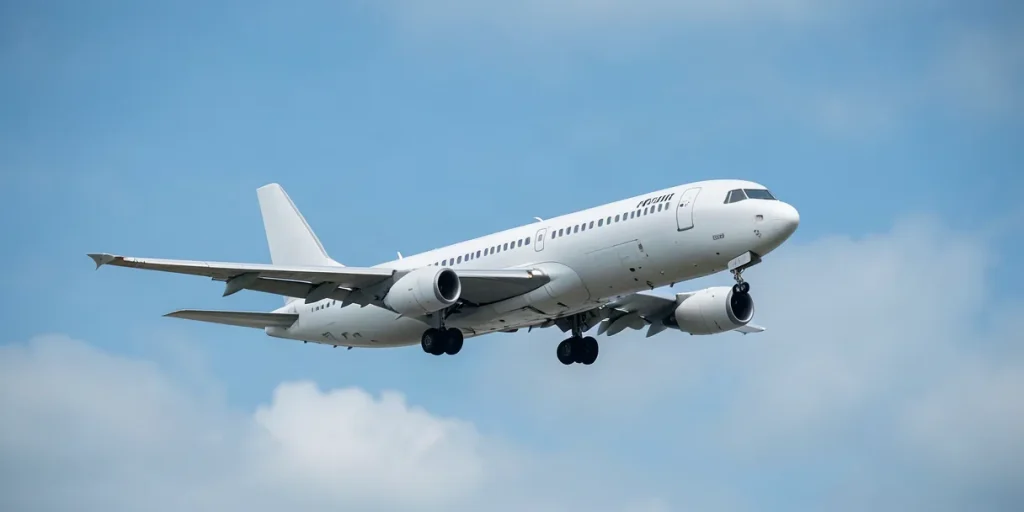
The deliveries of the Il-114-300 for civil aviation have begun in Russia, marking an important milestone in the domestic aviation industry. This new regional aircraft, developed based on the successful traditions of Soviet aviation, promises to not only improve passenger service quality but also significantly enhance the capabilities of airlines operating on domestic routes.
The Il-114-300 combines modern technologies with high operational characteristics, making it attractive for air carriers. It is capable of efficiently serving both small and medium-sized cities in Russia, promoting the development of regional aviation and improving the accessibility of transportation services for the population.
Introduction to the Il-114-300 Program
The Il-114-300 is a modern turboprop aircraft designed for civil aviation and is capable of effectively serving regional routes. Its maximum capacity reaches 68 passengers, making it ideal for small airports where the infrastructure cannot accommodate larger aircraft. The new aircraft is characterized by high fuel efficiency and modern technologies, which allow for a decrease in air transportation costs and an increase in the accessibility of air travel for the population.
The design of the Il-114-300 began with the aim of replacing outdated aircraft models that no longer meet modern safety and comfort requirements. Historically, the development of this aircraft has deep roots dating back to the Soviet era when similar models were used for domestic flights. As a result of prolonged work and modernization, the Il-114-300 is the product of a synergy between old traditions and new technologies, achieving high flight performance and reliability.
The primary task set for the Il-114-300 is to ensure regular air service between remote regions of the country, which is especially relevant for areas such as the Far East. Deliveries of this aircraft began in 2026, and its operation in the first half of the year is expected to significantly improve connections between major cities and remote settlements. With the completion of certification and the start of deliveries, airlines have the opportunity to refresh their fleets and offer passengers more comfortable travel conditions.
Thus, the Il-114-300 represents an important step in the development of Russian civil aviation, contributing not only to improved service quality but also to the economic development of regions.
Technical Specifications of the Il-114-300
The Il-114-300 is a modern turboprop regional aircraft that possesses a number of high technical specifications that facilitate its successful operation in civil aviation. One of the key features of this aircraft is the use of new TV7-117ST-01 engines. These engines provide not only high power and reliability but also significantly enhance fuel efficiency, which helps reduce operational costs. New developments in engine manufacturing allow for a significant reduction in harmful emissions, making the Il-114-300 a more environmentally friendly choice for air transport.
The passenger capacity of the Il-114-300 is up to 68 people, making it ideal for regional flights. The aircraft also has a payload capacity of up to 7 tons, allowing it to be used for the transportation of various goods. This combination of capacity and payload makes the Il-114-300 a versatile solution for airlines operating on small and medium routes. The convenient cabin layout and modern comfortable conditions contribute to attracting passengers and increasing the competitiveness of this aircraft in the market.
The energy efficiency of the Il-114-300 also deserves attention. The aircraft was developed with an emphasis on optimizing fuel consumption and reducing its ecological footprint, which is becoming an increasingly important aspect in today’s air transport market. As a result of the application of new technologies and materials, the Il-114-300 demonstrates impressive fuel savings, making it an attractive choice for both air carriers and environmentally conscious passengers.
Overall, the Il-114-300 represents a significant advancement in the development of Russian civil aviation, offering modern solutions for enhancing the efficiency and comfort of air transport. With the launch of serial deliveries in 2026, this aircraft will become a key element in updating regional airlines’ fleets and maintaining high standards in air transport.
Significance for Regional Air Transport
The deliveries of the Il-114-300 for civil aviation that began in 2026 hold significant importance for regional air transport in Russia. This new turboprop aircraft aims to replace outdated models that no longer meet modern safety and comfort requirements. Thanks to more advanced technologies, the Il-114-300 is capable of providing a higher quality of passenger service, which is a priority for airlines seeking to enhance their competitiveness in the market.
Furthermore, one of the important aspects of introducing the Il-114-300 is the support for small and remote settlements. Regional air transport plays a crucial role in ensuring connectivity between remote areas and major cities. The new aircraft will allow for an increase in flight frequency and the development of new routes, making air travel more accessible for residents of these regions. Moreover, the arrival of new aircraft may inspire airlines to open routes to regions that previously lacked stable air connections.
The development of new routes will contribute not only to improving transportation accessibility but also to the growth of the local economy. An increase in flight frequency will enable residents to participate more actively in the economic life of the country and attract tourists to remote areas. This will create new jobs and serve as an impetus for infrastructure development, which will undoubtedly have a positive impact on the lives of local residents.
Thus, the deliveries of the Il-114-300 represent an important step in the development of regional air transport in Russia. Their implementation will contribute not only to the replacement of outdated models but also to the development of new directions, ultimately leading to an improvement in the quality of life in small and remote settlements.
Economic Advantages
The delivery of new Il-114-300 aircraft for civil aviation that began in 2026 opens significant economic advantages for airlines. One of the key factors is the reduction of operational costs. Compared to outdated models, the Il-114-300 is equipped with modern engines and systems that allow for lower fuel consumption and reduced maintenance costs. This makes air transport more affordable and profitable for companies, especially on regional routes where price competition can be intense.
Moreover, the successful operation of the Il-114-300 will contribute to the development of the local economy and tourism. Regional air transport plays an important role in connecting remote settlements with major cities, which in turn opens new opportunities for business and attracting tourists. An increase in passenger traffic in the regions will promote the development of infrastructure, hotels, restaurants, and other service facilities, which will also positively impact the local economy.
Finally, the launch of serial deliveries of the Il-114-300 will lead to the creation of new jobs in the maintenance and operation sectors. The demand for qualified specialists to work with new aircraft will grow, creating additional employment opportunities. This, in turn, will impact the reduction of unemployment and improve the socio-economic situation in the regions where the new aircraft will operate.
Thus, the Il-114-300 will not only replace outdated models but also become an important tool for economic growth and improving the quality of life in Russia.
Certification and Start of Deliveries
The completion of the certification process for the Il-114-300 aircraft marked an important milestone on the way to its integration into Russian civil aviation. In 2026, all necessary procedures were successfully completed, opening the door for the start of deliveries of this modern turboprop aircraft. The certification included numerous tests and inspections aimed at confirming the aircraft’s compliance with modern safety and operational standards. Now, the Il-114-300 is ready for commercial use, facilitating the renewal of the fleet and supporting the development of regional air transport.
The first batch of aircraft has already entered service, which is significant for both manufacturers and the aviation industry as a whole. It is expected that the new aircraft will be actively used on domestic routes, improving the accessibility of air transport to remote regions. As part of the fleet renewal program, plans are also in place to increase delivery volumes in the coming years. The success of the Il-114-300 could serve as a basis for further investments in the development of civil aviation and the production of new models.
The role of state and private companies in the delivery program of the Il-114-300 cannot be overstated. Government structures actively support the project by providing funding and infrastructure solutions, while private companies contribute to market research and adapting aircraft to the needs of operators. The collaborative efforts of these two sectors create the synergy necessary for the successful integration of innovative technologies into civil aviation.
Thus, the start of deliveries of the Il-114-300 marks a new stage in the development of the Russian aviation industry, contributing not only to the replacement of outdated models but also to the active development of regional air transport, which in turn supports the economic development of the country.
Market Reaction and Airline Expectations
The introduction of the new Il-114-300 aircraft into civil aviation has generated significant interest among leading airlines in Russia. Opinions from experts and airline representatives vary, but overall there is optimism regarding the integration of this new aircraft. Airlines note that the Il-114-300 will be an important tool for fleet renewal and enhancing service quality on regional routes. This is especially relevant for companies operating in remote and hard-to-reach areas where reliable transport plays a key role.
Additionally, forecasts for demand for regional flights look promising. With the increasing interest in domestic tourism and the development of economic ties between regions, a rise in passenger traffic on these routes is expected. Airlines are confident that the Il-114-300 will meet market needs by offering more comfortable and economical travel conditions. It is important to note that this aircraft is equipped with modern engines, allowing for lower operational costs and increased flight efficiency.
However, competition with foreign counterparts, such as the Bombardier Q400 and ATR 72, remains relevant. Russian airlines recognize that to successfully compete in the market, it is necessary not only to offer competitive prices but also to ensure a high level of service. Some airlines are already beginning to develop loyalty programs and improve service quality to attract more passengers. It is crucial for the Il-114-300 to not only replace outdated models but also carve out its niche alongside foreign aircraft by offering unique advantages.
As a result, the deliveries of the Il-114-300 could mark the starting point for a new phase in the development of Russian aviation, striving for improved service quality and meeting passenger needs. In a growing competitive environment and increasing demand for regional flights, the success of these aircraft will be determined by both their technical specifications and the ability of airlines to adapt to new market conditions.
Challenges and Issues
In the context of launching deliveries of the new Il-114-300 aircraft for civil aviation in Russia in 2026, the industry faces a number of problems and challenges that require careful attention. The first and most pressing issue is the condition of production capacities. Despite the successful completion of certification and the start of deliveries, there is a need to improve and modernize production lines to ensure the high-quality and stable output of new aircraft. This concerns both the factories and the supply of components, such as the new TV7-117ST-01 engines, which are also beginning to arrive this year.
Another important problem is the need to upgrade airport infrastructure. Modern aircraft like the Il-114-300 require corresponding support on the ground. This includes not only the physical characteristics of airports but also the implementation of new technologies for managing the flow of passengers and cargo. Outdated terminals and a lack of necessary services could become significant obstacles to the effective operation of new airliners and meeting the needs of the growing number of passengers.
Looking to the future, key areas essential for the further development of civil aviation in Russia can be identified. This involves not only modernizing existing infrastructure but also actively collaborating with foreign partners, which can provide access to new technologies and standards. Attention should also be paid to training and upskilling personnel to ensure that specialists have the knowledge and skills needed to work with modern aviation systems.
In conclusion, the successful integration of the Il-114-300 into civil aviation in Russia depends on a comprehensive approach to addressing these issues. Joint efforts from manufacturers, authorities, and aviation companies are necessary to ensure safe and comfortable conditions for passengers and create a competitive environment for air transport in the country.
The Future of Civil Aviation in Russia
The deliveries of the new Il-114-300 aircraft for civil aviation that began in 2026 represent an important step in the development of the aviation industry in Russia. This project aims to replace outdated models and strengthen regional air transport, which in turn supports economic development and improves accessibility to remote areas. Long-term goals for aviation development in the country include not only fleet renewal but also the implementation of modern technologies that will enhance safety and efficiency in air transport.
Innovative developments related to the Il-114-300 are the result of a thorough analysis of market needs and modern requirements for air transport. This aircraft is equipped with the latest TV7-117ST-01 engines that provide high fuel efficiency and reliability. In the future, plans are in place to develop even more advanced models that can not only operate passenger flights but also expand cargo transport capabilities. Within these initiatives, emphasis will be placed on ecological technologies, which will be an important step towards reducing aviation’s impact on the environment.
Furthermore, Russia is actively participating in international aviation manufacturing programs, which opens new horizons for cooperation with foreign partners. This will allow for not only the exchange of advanced technologies but also the implementation of international quality standards into the production process. Participation in global aviation initiatives will enhance the competitiveness of Russian aircraft in the world market and strengthen the country’s position as one of the centers of aircraft manufacturing.
Thus, the future of civil aviation in Russia looks promising. With a renewed fleet, the implementation of innovative technologies, and active participation in international projects, the country has every chance to secure a worthy place in the global aviation industry.
Frequently Asked Questions
When did the deliveries of the Il-114-300 begin?
What engines are used on the Il-114-300?
What are the advantages of the Il-114-300 for regional air transport?
Key Takeaways
- The Il-114-300 is a key step towards renewing civil aviation in Russia.
- The new aircraft will support the development of regional air transport.
- Certification is complete, and deliveries have already begun in 2026.
Sources
aviation21.ru, bibimot.ru, aviatc.ru, Seldon News