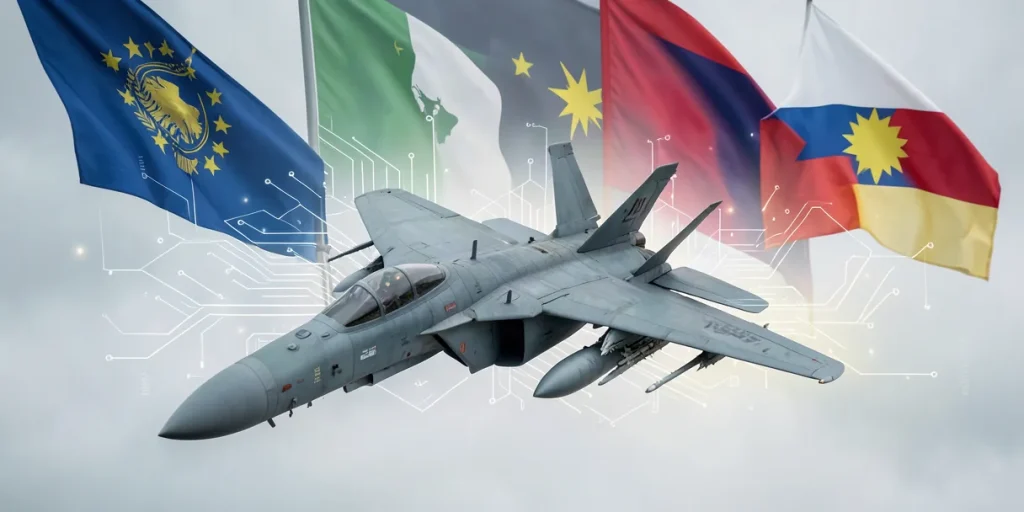
Delays in Production of Tempest Fighters
In 2026, the key European project to develop the next-generation Tempest fighter has encountered major delays, pushing delivery timelines back by two years. Led by the British company BAE Systems, the initiative initially aimed to roll out the first prototype by 2027, but realistic forecasts now point to 2029.
This delay is due to technical challenges and shortages of high-tech components such as advanced microprocessors and sensor systems, whose production within the EU remains limited. The postponement of Tempest affects the planned fleet upgrades in the United Kingdom, Italy, and Sweden, all participants in the project.
Financial Difficulties and Development Costs
By 2026, the total budget for the Tempest program has reached 30 billion euros, exceeding initial 2018 estimates by 25%. Cost increases are linked to the need to adapt technologies to new standards and rising material prices caused by inflation.
The European countries involved—namely the UK, Italy, and Sweden—have boosted their financial contributions, but some experts warn of budget overrun risks that may limit procurement scale and affect the long-term sustainability of the region’s defense sector.
Impact on EU Defense Autonomy
Delays in the Tempest project complicate the EU’s plans to strengthen defense autonomy and reduce reliance on American F-35 fighters and other foreign platforms. The European Union is pursuing technological sovereignty in armaments.
However, difficulties in producing and integrating complex systems have shifted schedules, potentially forcing countries to extend the use of outdated models or increase foreign equipment purchases temporarily. This calls into question the effectiveness of the current European defense strategy.
Role of Technology and Workforce Shortages
A key cause of delays is the shortage of qualified engineers and aerospace specialists. According to the European Aerospace Industries Association, workforce deficits in the sector have grown by 15% over the past three years.
Additionally, challenges arise in implementing new digital systems and artificial intelligence required for the Tempest fighter. Companies like BAE Systems and Leonardo continue investing in training and technology development, but it will take time to close these gaps.
Outlook and Consequences for the European Market
Despite current difficulties, the Tempest project remains strategically important for the European aviation market, valued at tens of billions of euros annually. Successful completion would strengthen the EU’s position in the global defense industry.
However, delays could lead to job cuts and reduced investment in related sectors, including component manufacturing and research programs. Governments of participating countries are considering additional support measures to stabilize the situation.
Summary: Delays in Tempest fighter production highlight the technological and financial complexities facing European aviation development and impact the EU’s defense strategy.