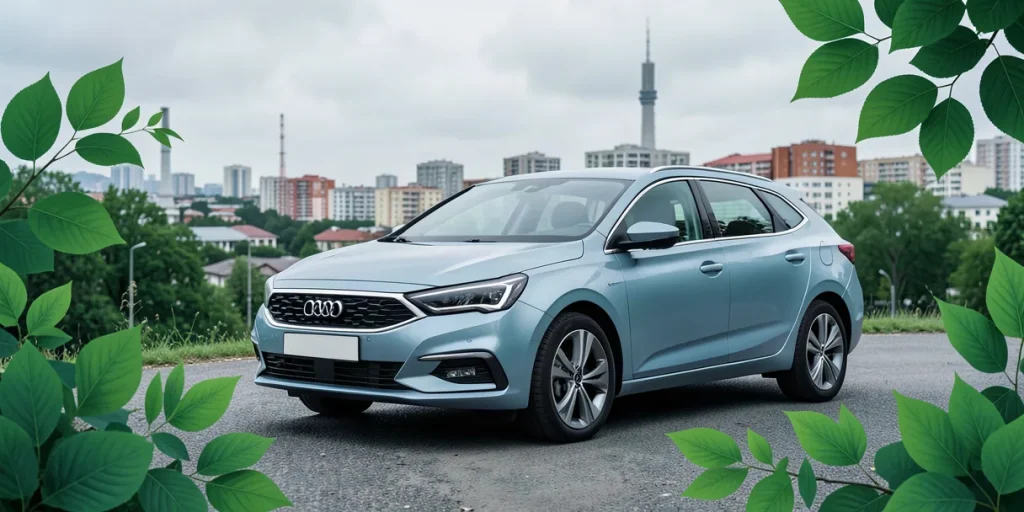
Launch of the New LADA Vesta Hybrid Model
AvtoVAZ officially announced the start of serial production of the LADA Vesta Hybrid on July 15, 2026. The model was developed with a focus on fuel efficiency and reducing carbon dioxide emissions, meeting the latest Euro-6 environmental standards. The starting price is 1.2 million rubles, making it competitive in the Russian hybrid vehicle market.
The new LADA Vesta Hybrid is equipped with a hybrid powertrain combining a 1.5-liter gasoline engine and an electric motor. This combination reduces fuel consumption to 3.8 liters per 100 kilometers—25% less compared to the conventional gasoline version. AvtoVAZ positions the model as the optimal choice for urban and suburban driving with minimal environmental impact.
Technical Features of the Hybrid System
The LADA Vesta Hybrid’s system was developed in partnership with the Russian company ElektroTechService and includes a 1.8 kWh lithium-ion battery. The 45 kW electric motor can power the vehicle over short distances without engaging the gasoline engine, which is especially effective in city traffic. The regenerative braking system increases overall transmission efficiency.
The manufacturer claims the battery is designed for 8 years of operation without significant capacity loss, and the hybrid battery charges automatically while driving and braking. This eliminates the need for external charging devices and reduces operating costs for owners. Additionally, the LADA Vesta Hybrid features a new energy flow management interface for driver convenience.
Environmental and Economic Benefits for Consumers
According to AvtoVAZ data, the LADA Vesta Hybrid emits 88 g/km of CO2, complying with Euro-6d standards effective since 2024. This is significantly lower than gasoline cars of the same class, which average around 135 g/km. The hybrid’s eco-friendliness helps reduce taxes in regions offering incentives for environmentally friendly vehicles.
Moreover, fuel savings for an average annual mileage of 15,000 kilometers can reach up to 18,000 rubles compared to a regular LADA Vesta. Considering a gasoline price of 55 rubles per liter and average hybrid system maintenance costs, owners can expect to recoup the price difference within the first five years of use.
Market and Production Plans
AvtoVAZ plans to produce up to 15,000 LADA Vesta Hybrid units in 2026, with gradual increases to 50,000 units by 2028. The model is already available for pre-order at dealerships across Russia, including Moscow, Saint Petersburg, and Yekaterinburg. Initial deliveries to customers are scheduled for September 2026.
The company expects the hybrid’s launch to strengthen its position in the eco-friendly vehicle segment, which analysts predict will grow by 30% in Russia by 2030. Furthermore, hybrid technology development is supported by government subsidy programs and purchase incentives, boosting demand for such models.
Competitive Advantages and Development Prospects
The LADA Vesta Hybrid competes with models like the Hyundai Solaris Hybrid and Kia Rio Hybrid, which have similar prices and features. However, the domestic manufacturer offers more affordable service and adaptation to Russian climatic conditions, a key factor for buyers. The hybrid powertrain warranty lasts five years or 150,000 kilometers.
Looking ahead, AvtoVAZ plans to expand its hybrid lineup by introducing new battery and electric motor technologies. The possibility of launching fully electric models by 2030 is also under consideration, aligning with global trends and environmental legislation. Thus, the launch of the LADA Vesta Hybrid marks a significant milestone in the transformation of the Russian automotive industry.
Conclusion: The new LADA Vesta Hybrid combines affordability, fuel efficiency, and eco-friendliness, making it a noteworthy event in the Russian automotive market of 2026.