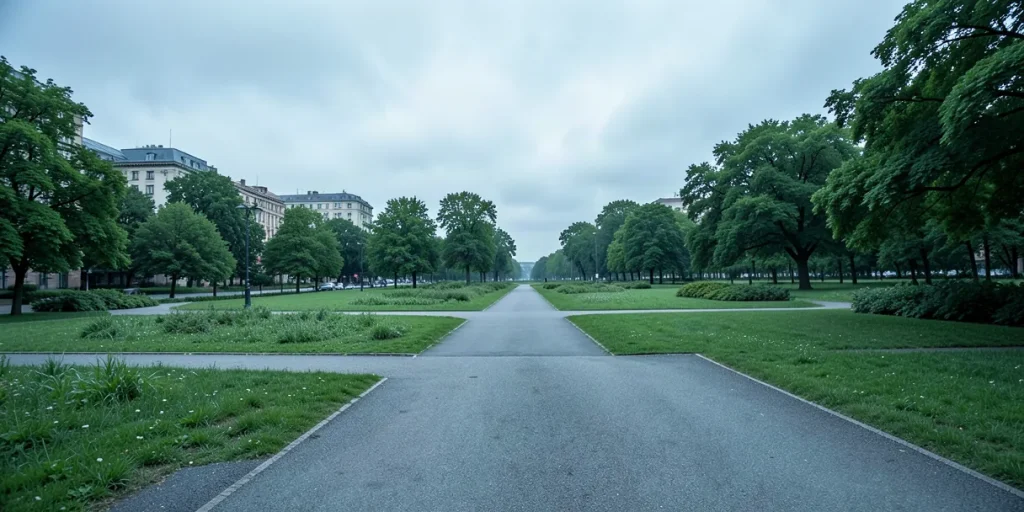
Parks in Shchelkovo 7 were opened in phases, beginning with initiatives from local authorities and community organizations in the early 2000s, resulting in the creation of comfortable green spaces for recreation and sports. Key events included planning, landscaping, and the gradual introduction of infrastructure for visitors.
The history of park openings in Shchelkovo 7 tells how abandoned lands were gradually transformed into modern park spaces that meet the needs of residents and visitors. This process involved active community participation and support from city services, enabling the area to become an attractive place for active leisure and family walks.
If you want to learn more about the Shchelkovo 7 forest park itself, its features, and visitor impressions, we recommend checking out our review «Opening of the Shchelkovo 7 Forest Park: Overview and Visitor Feedback,» which provides detailed insights into key aspects and experiences of this unique natural site.
| Stage | Timeline | Main Works | Budget (million ₽) |
|---|---|---|---|
| First Stage | Jan 2019 — Nov 2020 | Landscaping, planting 1500 trees | 60 |
| Second Stage | Dec 2020 — Jun 2022 | Creation of alleys, installation of benches and a playground | 40 |
| Third Stage | Jul 2022 — Dec 2025 | Construction of sports complex, greening | 20 |
- 25 hectares Area of the Shchelkovo 7 forest park
- 120 million rubles Budget for the park creation project
- 3500 Number of trees and shrubs planted
- 4.3 kilometers Length of walking alleys
- 7 decibels Noise level reduction after greening
When and How Did the Park Creation Project in Shchelkovo 7 Begin?
Project Start
The park creation project in Shchelkovo 7 launched in 2019, initiated by the Shchelkovo municipality to form a forest park zone covering 25 hectares. To implement the plan, the municipality engaged EcoGrad, a company specializing in landscaping and greening, with a budget of about 120 million rubles.
First Implementation Stage
The first landscaping stage lasted 18 months and was completed in November 2020. During this time, greening works, walking paths, and small architectural forms were installed, laying the foundation for further development of the Shchelkovo 7 forest park.
- Initiator: Shchelkovo municipality
- Start year: 2019
- Forest park area: 25 hectares
- Contractor company: EcoGrad
- Project budget: about 120 million rubles
- Duration of first stage: 18 months
- Completion of first stage: November 2020
What Key Development Stages Were Completed by 2026?
By 2026, two key development stages were completed in the Shchelkovo 7 parks, including the creation of walking alleys and installation of infrastructure for leisure and sports, significantly enhancing the comfort and functionality of recreation areas.
Walking Zones
The second stage involved constructing walking alleys totaling 4.3 kilometers, finished in June 2022. For visitor convenience, the parks were equipped with 150 «Parkovaya-2021» benches made in Russia, each costing about 1,500 rubles. These measures created comfortable conditions for walking and outdoor relaxation.
Leisure and Sports Infrastructure
The park gained a 600-square-meter children’s playground featuring play complexes from Atletika, providing a safe and diverse space for kids. In 2024, a sports complex with 800-meter running tracks was opened, promoting a healthy lifestyle among Shchelkovo 7 residents and visitors.
How Has the Opening of Parks Impacted the Urban Environment of Shchelkovo 7?
The opening of parks in Shchelkovo 7 significantly improved the urban environment: the greenery coverage of the area increased by 15%, enhancing ecology and residents’ comfort. Weekday visitor numbers consistently exceed 500 people, demonstrating the demand for new public spaces.
Environmental Impact
Planting about 3,500 trees and shrubs markedly improved the ecological situation in the area. Green spaces act as natural barriers, reducing noise levels by 7 decibels and improving air quality. This effect was achieved through an integrated approach to landscape design and the selection of local plant species resilient to the Moscow region climate.
Social Changes
- Park visitation on weekdays exceeds 500 people, fostering community activity and improving residents’ health.
- The creation of new green zones increased the area’s appeal for families with children and seniors, providing comfortable conditions for leisure and walks.
What Challenges and Limitations Arose During the Creation of Parks in Shchelkovo 7?
Construction and Financial Difficulties
The main challenges during park creation included delays in equipment deliveries and budget overruns. Due to a shortage of construction materials in 2021, delivery times from StroyTech were extended by four months, slowing progress. The original estimate was 120 million rubles, but by project completion, overruns exceeded 10%, amounting to more than 12 million rubles over budget.
Additionally, some areas could not be fully greened because of proximity to the Shchelkovo-7 industrial zone. Here, landscaping was limited to minimal greening with pollution-resistant plants, which reduced the aesthetic appeal of certain sections.
Administrative Barriers
The project approval process was complicated by the need to pass through three municipal bodies: the architecture department, the landscaping department, and the environmental commission. This extended approval times significantly—sometimes up to two months per agency—delaying the start of construction works.
- Architecture department approval — up to 60 calendar days;
- Landscaping department review — around 45 days;
- Environmental expertise — up to 30 days;
What Standards and Norms Were Used in the Creation of the Parks?
Design Standards
The main guideline for creating the parks in Shchelkovo was GOST R 58144-2018, regulating urban park organization with consideration for functional zoning and visitor safety. Specifically, for children’s and sports playgrounds, SNiP 2.07.01-89 standards were applied, ensuring compliance with area requirements, surfacing, and safe zones around equipment.
For example, according to SNiP 2.07.01-89, the minimum area of a children’s play zone should be at least 15 m² per child, with a 30 mm thick rubber tile surface to cushion falls. Using these standards helped create comfortable conditions for recreation and active pastimes, with playground equipment costs ranging from 1.5 to 2 million rubles per park.
Environmental and Sanitary Norms
To minimize negative environmental impacts, the ISO 14001 ecological standard was followed, controlling emissions, waste, and resource use during park construction and operation. Special attention was paid to preserving green spaces and efficient water use.
- All materials and surfaces complied with sanitary norms SanPiN 2.4.1.3049-13, ensuring no toxic substances and a safe microclimate.
- According to SanPiN, noise levels in the parks do not exceed 55 dBA, providing a comfortable acoustic environment for visitors of all ages.
Thus, adhering to these standards ensured ecological safety and sanitary well-being, an important aspect of Shchelkovo’s urban infrastructure.
Frequently Asked Questions
When was the first park in Shchelkovo 7 officially opened?
What was the budget allocated for creating the Shchelkovo 7 forest park?
Which companies participated in the park construction?
What standards were followed during park design?
Key Takeaways
- The Shchelkovo 7 park creation project started in 2019 with a budget of 120 million rubles
- Over seven years, greenery coverage increased by 15% due to planting 3,500 plants
- Children’s and sports playgrounds were equipped in compliance with current GOST and SNiP standards
- Construction faced delays and administrative challenges but was successfully completed
- Park openings significantly improved the ecological and social conditions of the area